



▲ Join-in tour guide service group size: 15-20 people Private tour guide service group size: 1-10 people, available for 1 person. English guide service requires reservation at least 1 day in advance. After successful reservation, customer support will proactively contact you by phone before 10:00 PM the day prior or within 30 minutes on the same day.


▲ Dujiangyan is the world's oldest, rarely preserved, and still-in-use water conservancy project, built in 256 BC and over 2,200 years old. Unlike the pyramids, which are "relics," it is a "living heritage" that still irrigates millions of acres of fertile land on the Chengdu Plain today. When you stand on the Fish Mouth Levee, what you see is not an exhibit in a museum but an ancient super project still at work—the Min River is divided, with 60% flowing into the outer river for flood control and 40% into the inner river for irrigation. This "60-40 water division" wisdom still amazes modern engineers.
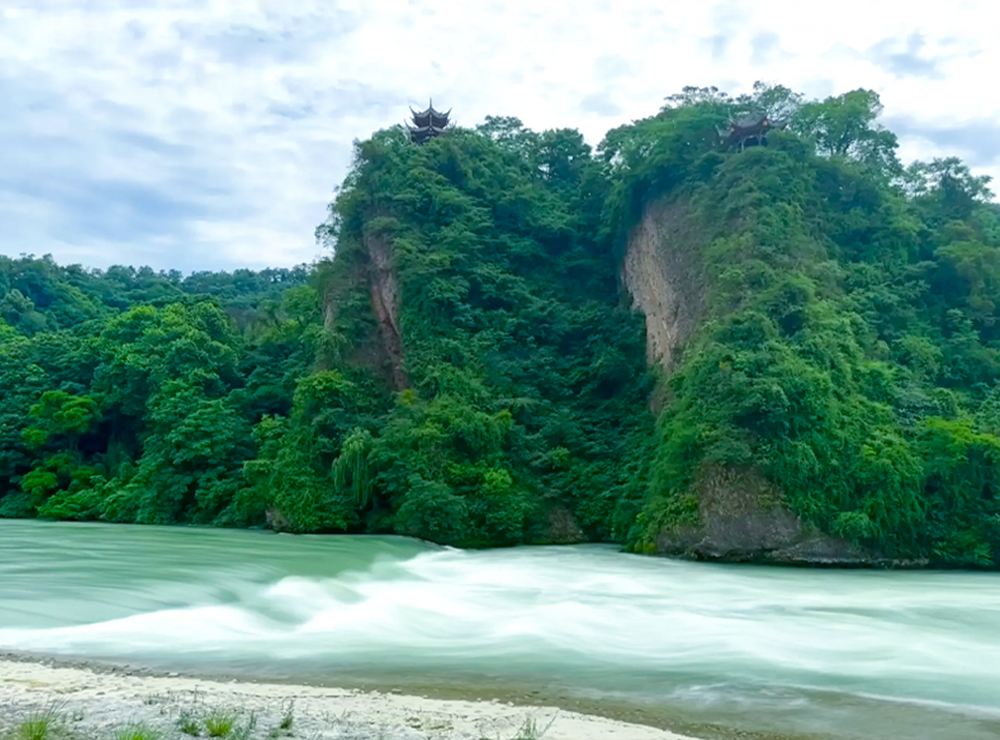
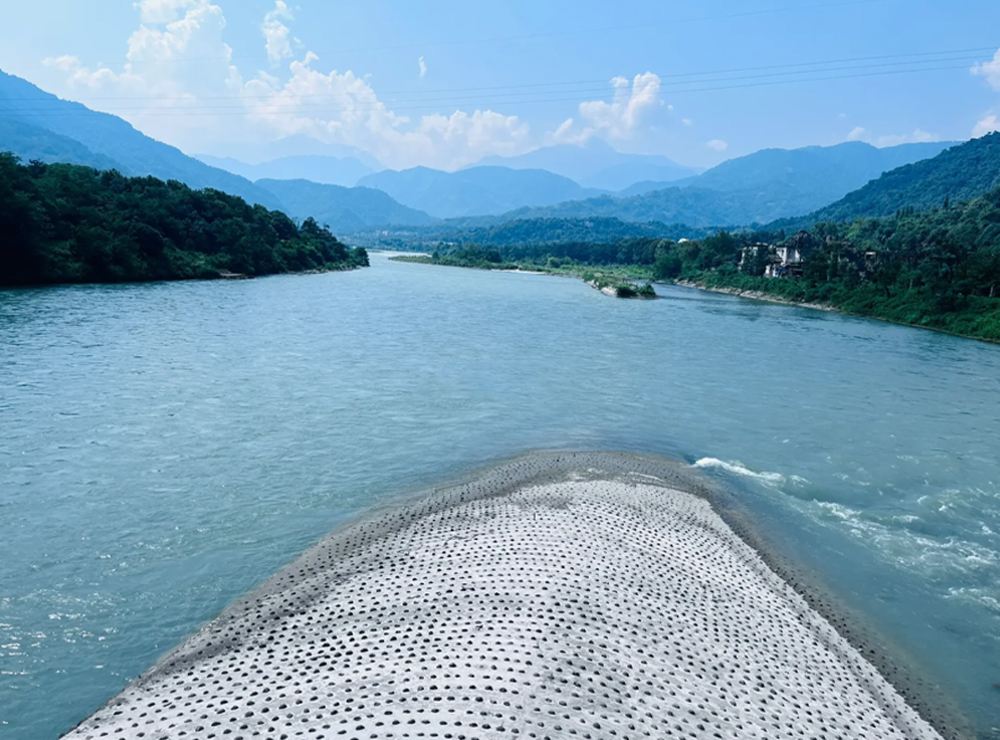
▲ Li Bing and his son tamed the flooding Min River every summer with three key designs: "Yuzui dividing the water, Feisha Weir discharging floods, and Dujiangyan Scenic Area diverting the flow." This transformed the Chengdu Plain from a flood-prone area into a "land of abundance where water and drought obey human will, free from famine." Visiting Dujiangyan, you'll truly understand why Chengdu remains one of China's rare cities with an unchanged name and unrelocated site for over 2,000 years—because this ancient weir is Chengdu's lifeline.
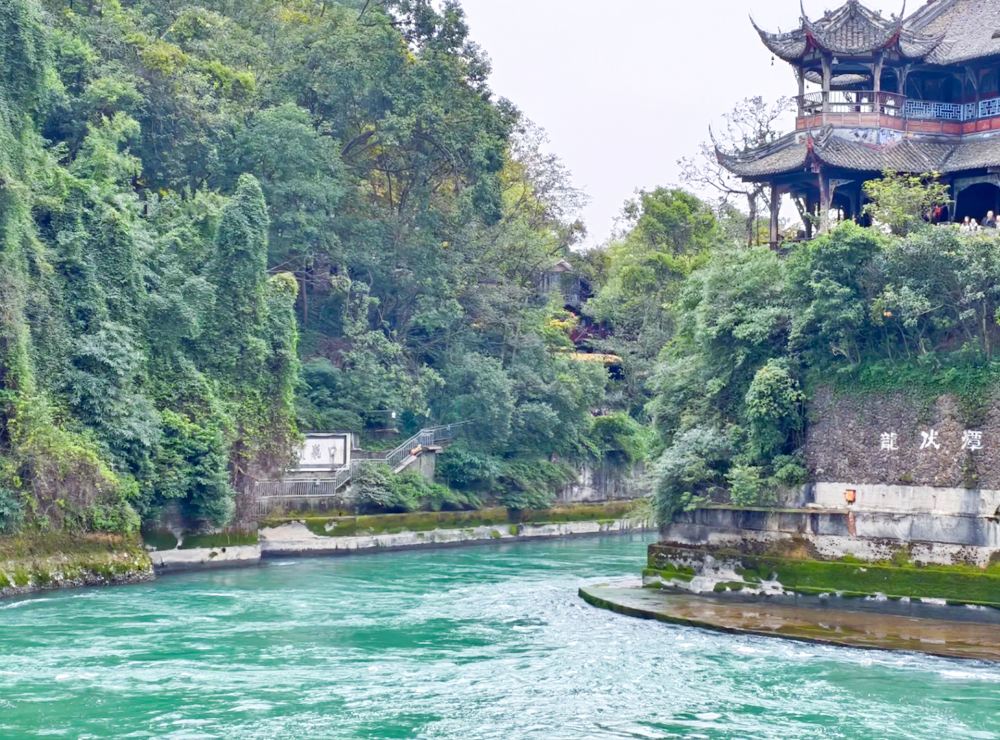
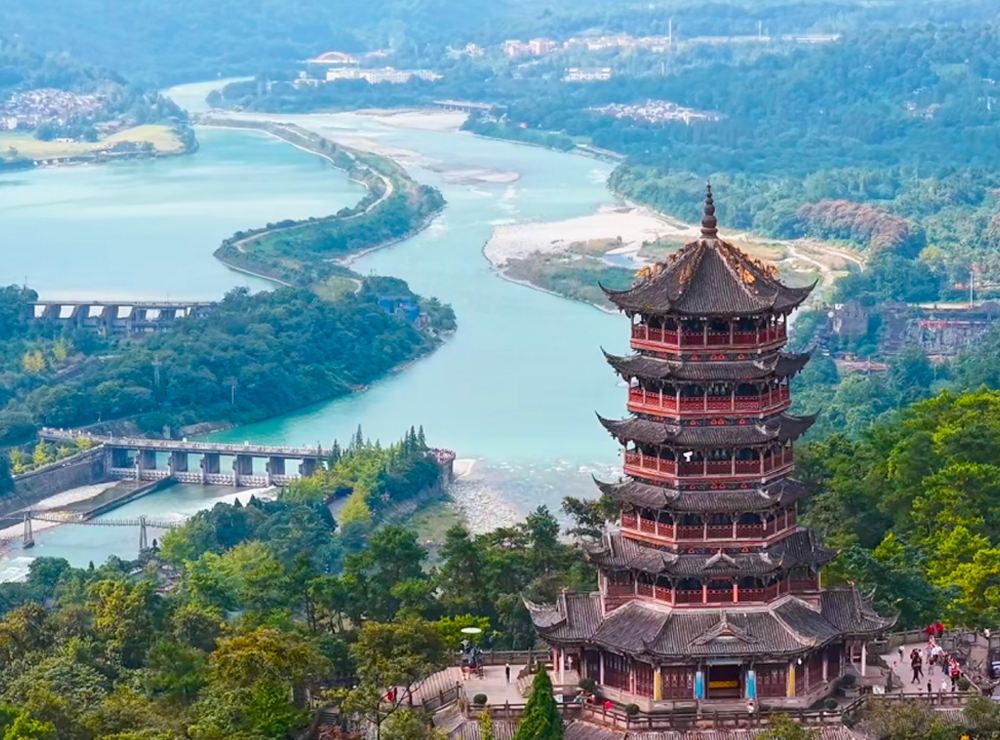
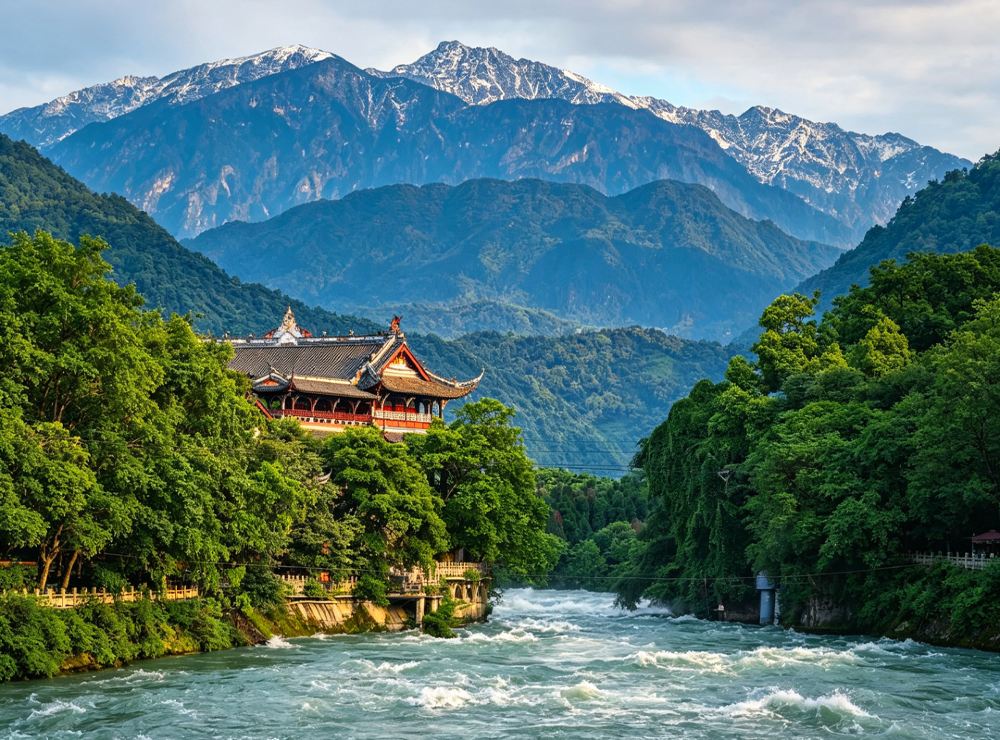
▲ Dujiangyan is not just an engineering marvel but also a scenic wonder. With attractions like Fulong Temple, Erwang Temple, Anlan Suspension Bridge, and Lidui Park, ancient architecture blends seamlessly with natural landscapes. "Worship water at Dujiangyan, seek enlightenment at Mount Qingcheng" is the classic pairing described by Yu Qiuyu. End your day by admiring the blue tears night view at South Bridge, where lights reflect on the Minjiang River, creating a romantic finale.
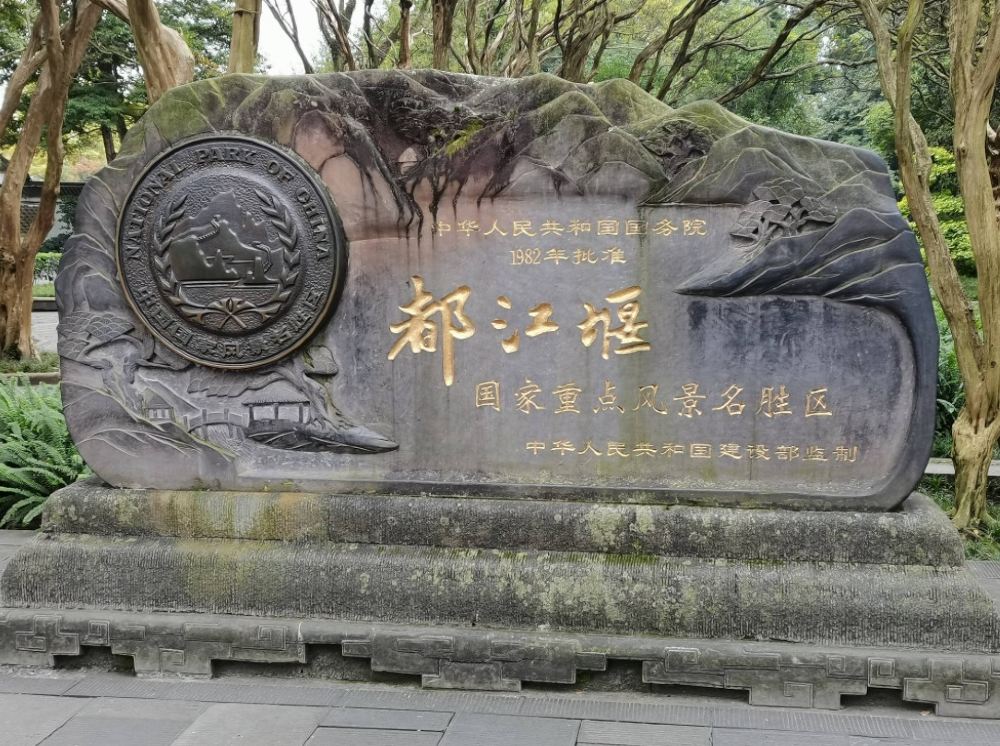
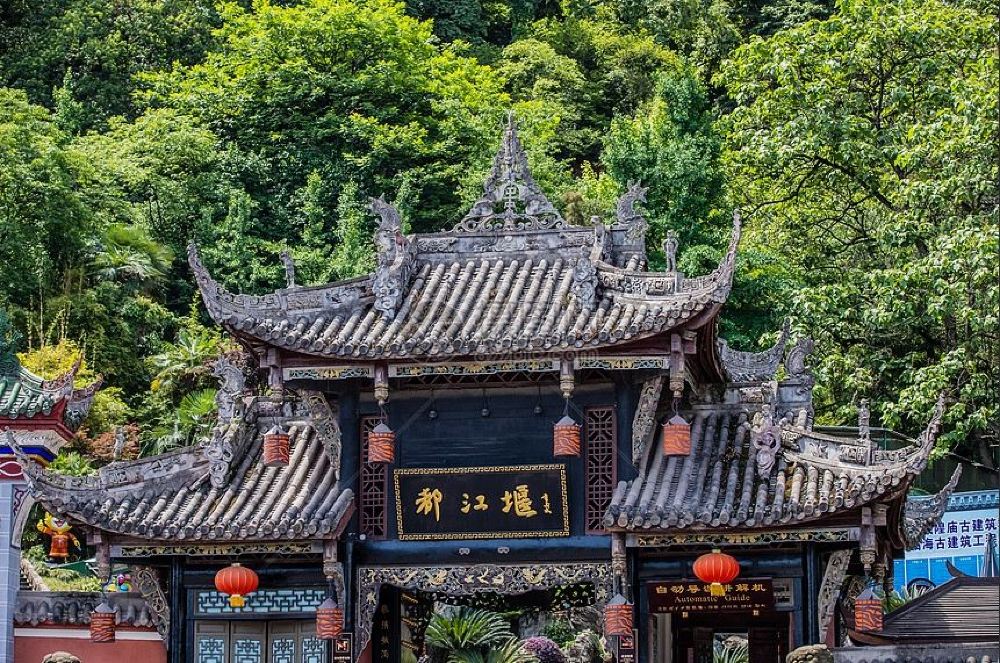
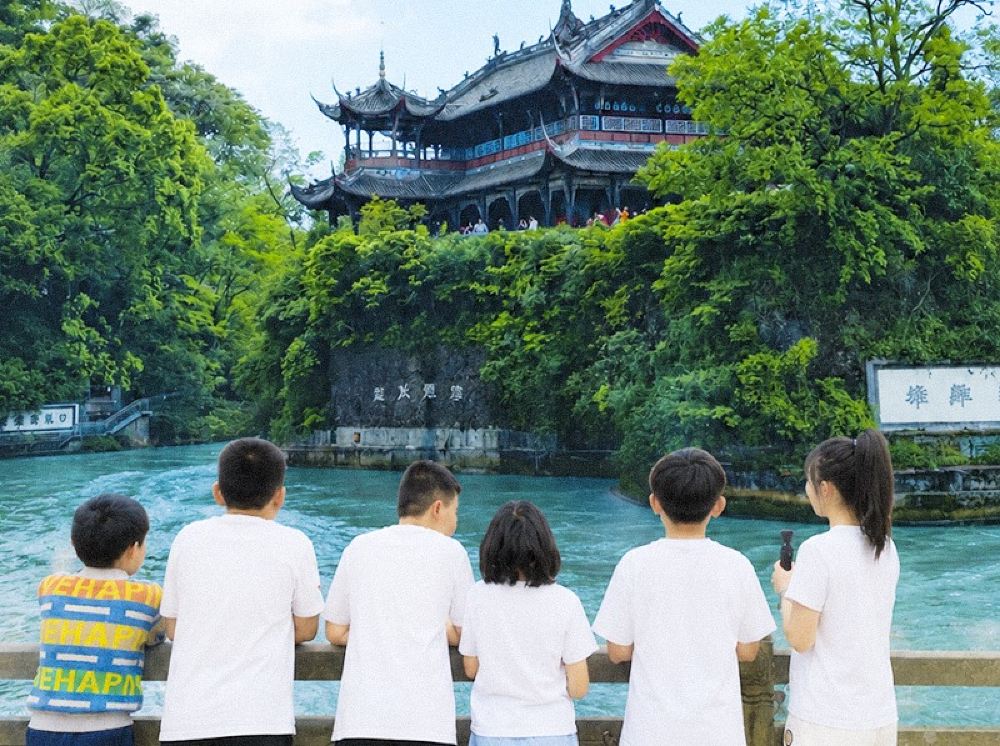
▲ Coming to Dujiangyan is not just about "seeing" but "understanding"—understanding how an ancient weir nourished half of Sichuan, and how China's water management wisdom led the world for two millennia.