Tulum
 based on 30,616 reviews
 No. 11 of Best Things to Do in Mexico
Opening hours of Tulum
Tulum attraction highlights
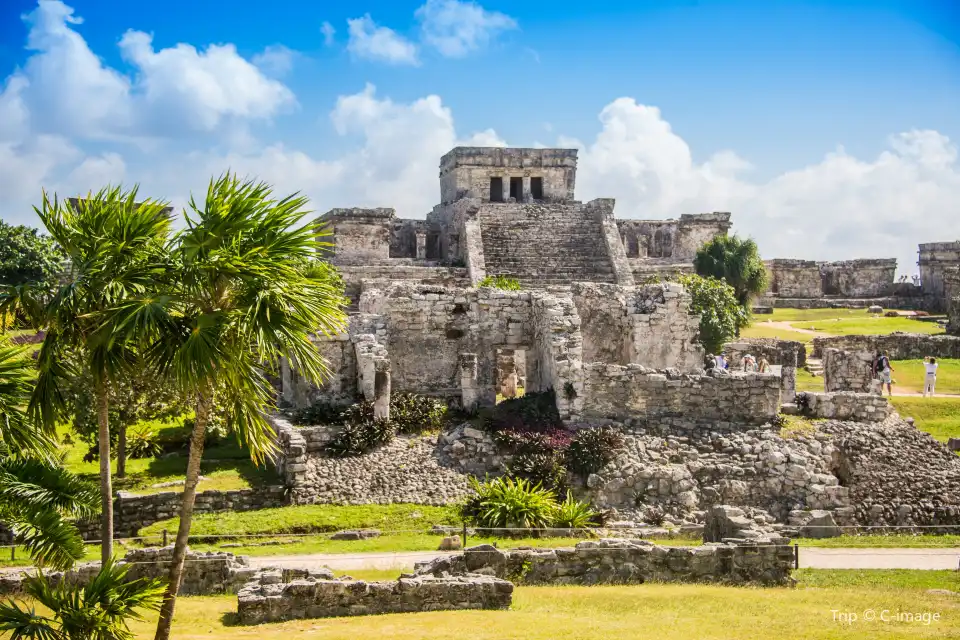
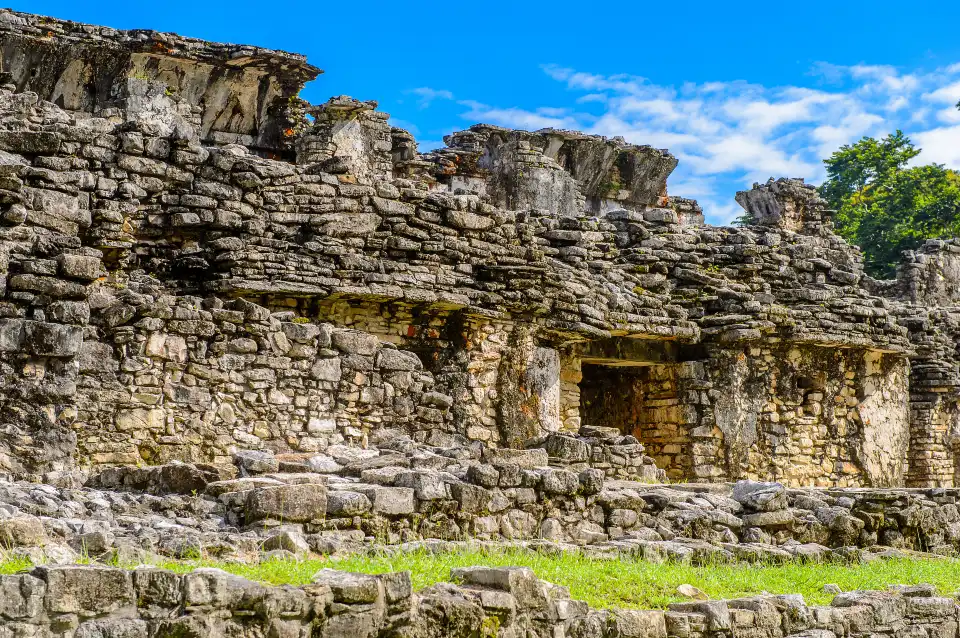
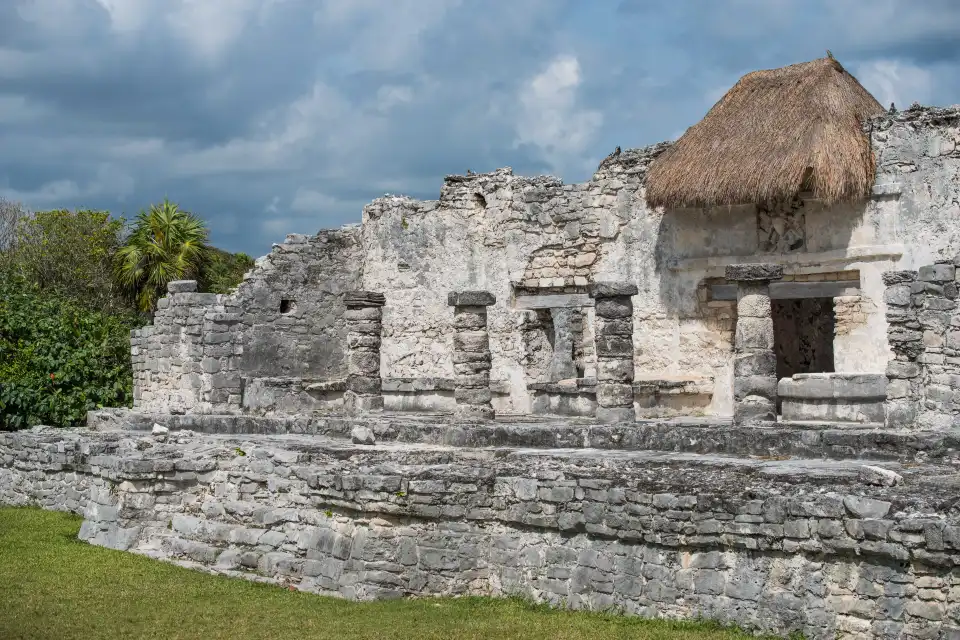
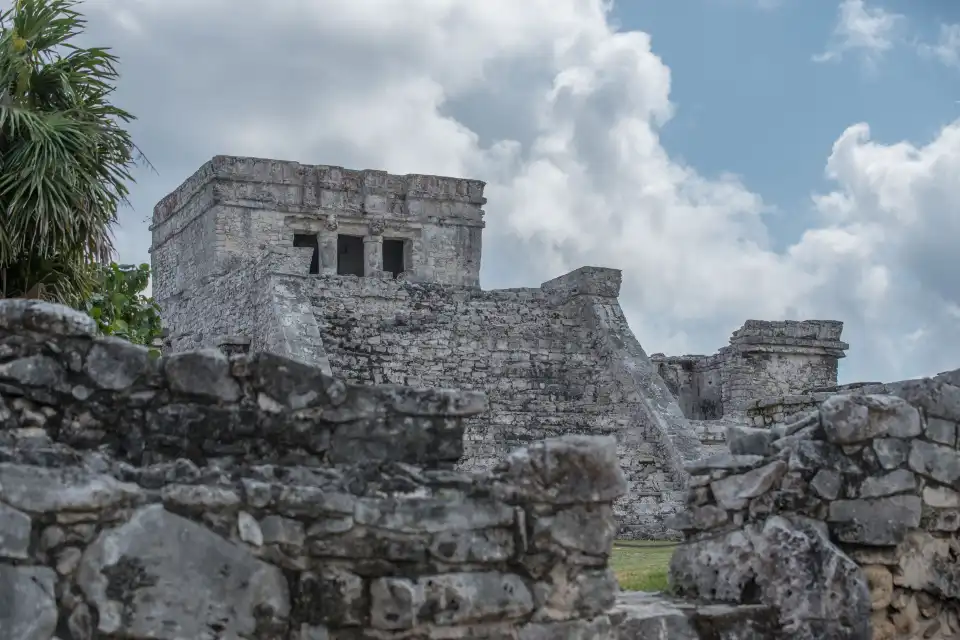
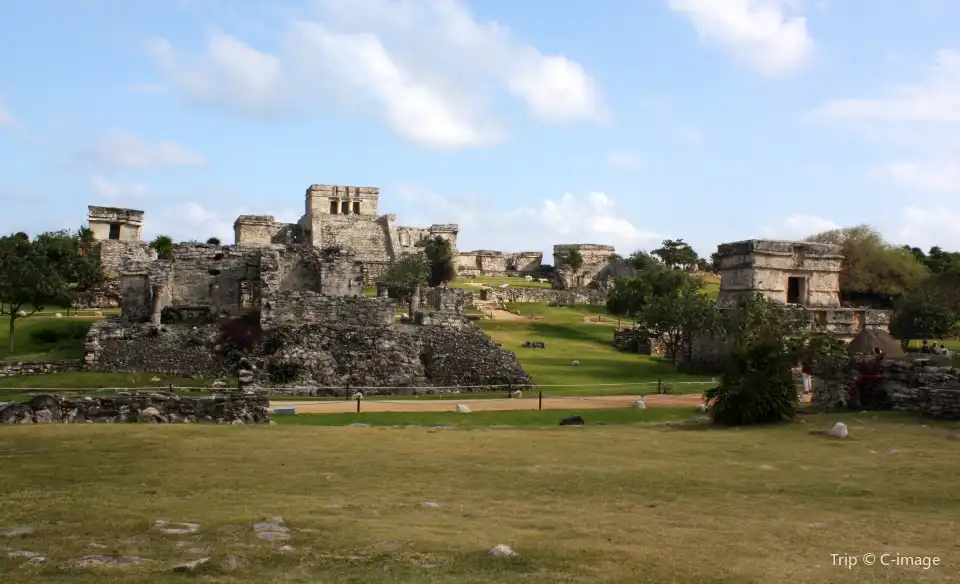
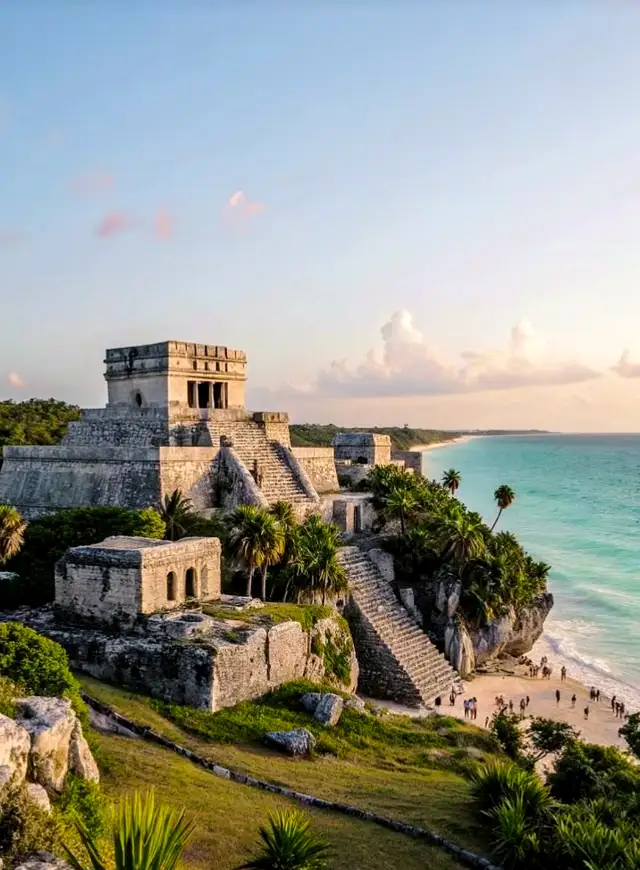
Tulum sits on a Caribbean cliff along the eastern coast of Mexico's Yucatán Peninsula. This coastal city-state was built in the late Maya civilization and remained inhabited, reaching its peak between the 13th and 15th centuries. "Tulum" means "wall" in Yucatec Maya, as the ancient city is enclosed by stone walls several m high on three sides, with the fourth facing the sea, serving as both a fortress and a port. It was a gateway for the inland Maya city of Cobá to maritime routes and a key hub for goods like obsidian. Facing the sunrise over the sea, it was possibly once called Zama, meaning "city of dawn." The main attractions are concentrated along the cliff edge: El Castillo stands at the cliff's end as the site's landmark, with carvings of deities like the feathered serpent visible on its facade. The Temple of the Frescoes retains remnants of Maya murals and red handprint decorations, while the Temple of the Descending God features a diving deity figure, an iconic symbol of Tulum. The Temple of the Wind occupies a small rocky platform jutting into the sea, offering expansive views perfect for capturing the turquoise waters and white sand. Below the cliff lies a beach where many travelers stop to wade or rest, and iguanas basking among the rocks are common "locals." Follow the cliffside path to explore the temples, then look back at the castle from the seaside—the frame of ancient stone walls against the Caribbean is what sets it apart from inland Maya ruins. At dawn, the soft light enhances the layers of the walls and sea, and the site is relatively quiet.
Tulum Reviews: Insider Insights and Visitor Experiences
Tulum Photos: Trip Moments

- travel2026
- tulum
- couplestrip
🌴 Tulum — Mexico’s Most Instagrammable ParadiseWelcome to Tulum — one of the most beautiful and trendy destinations in Mexico. Imagine waking up to the sound of the Caribbean Sea, cycling through palm-lined jungle roads, and ending your day with a sunset overlooking ancient Mayan ruins. Located on the Riviera Maya coast, Tulum has become famous for its unique blend of luxury, nature, wellness, and bohemian lifestyle. Unlike traditional resort towns, Tulum feels more relaxed, stylish, and connected to nature. Here you’ll find boutique jungle hotels, beach clubs, hidden cenotes, yoga retreats, and some of the most stunning beaches in the Caribbean. 📍 Location: Tulum, Quintana Roo, Mexico ✈️ How to get there: Fly to Cancun International Airport, then drive approximately 1.5–2 hours south to Tulum by shuttle, rental car, or private transfer. 💰 Approximate weekly budget: · Budget travel: $800–1,500 · Comfortable vacation: $2,000–4,000 · Luxury beach resorts and villas: $5,000–15,000+ 🥙 What to try: · Fresh fish tacos · Ceviche · Guacamole made tableside · Mexican street food · Fresh coconut drinks on the beach 🌺Must-do experiences: · Visit the famous Tulum Mayan Ruins overlooking the Caribbean Sea · Swim in crystal-clear cenotes hidden in the jungle · Watch the sunrise on Tulum Beach · Explore Sian Ka’an Biosphere Reserve · Enjoy sunset cocktails at a beachfront beach club ✨ Fun fact: Tulum is one of the few places in the world where ancient ruins stand directly above a turquoise Caribbean coastline, creating one of the most photographed views in Mexico. With its white-sand beaches, jungle luxury hotels, and laid-back atmosphere, Tulum feels like a destination where nature and luxury exist in perfect balance. #travel2026 #tulum #couplestrip_Iris29

- rivieramaya
- tulum
- mexico
- cenotes
- luxurytravel
- caribbean
🌴 Riviera Maya, MexicoLuxury Riviera Maya: Jungle Villas, Cenotes and Caribbean Beaches 🇲🇽😍 Swim in a crystal-clear cenote, explore ancient Mayan ruins and return to a private pool villa where the jungle meets the Caribbean Sea. Where to stay 🌿 Chablé Maroma: beachfront villas with private pools, inspired by Mayan design. From approx. $1,500 a night 🛶 Rosewood Mayakoba: lagoon and beach suites, reached by boat through mangroves. From approx. $900 a night 🎨 Azulik Tulum: eco-chic treehouse-style villas with no electricity in rooms. From approx. $600 a night Don’t miss 💧 Private cenote swim 🏛️ Tulum ruins on the cliffs at sunrise 🐢 Snorkelling with turtles in Akumal 🍽️ Chef’s table dinner in the jungle What it’ll cost (approx., per person) 💸 5 nights all in: roughly $3,500 to $8,000+ Tips 📅 Best time: December to April 🦟 Pack eco-friendly insect repellent 🧴 Many cenotes ban sunscreen, so swim before applying 💬 Your turn: Jungle cenote or Caribbean beach? 👇 #RivieraMaya #Tulum #Mexico #Cenotes #LuxuryTravel #CaribbeanJetlag travels1

- citydaytours
- myitinerary
- travel
- localfood
- mexico
Tulum: Mexico’s Boho Paradise Where History Meets Turquoise Waves 🌴💦Tulum is that absolute dream coastal town sitting pretty on Mexico’s Yucatán Peninsula in Quintana Roo—about 130 km (80 mi) south of Cancún. It’s seriously trending right now, and for good reason! Think ancient Mayan ruins, a chill boho vibe, jaw-dropping Caribbean beaches, and next-level adventures everywhere you turn. Mayan Archaeological Ruins: History buffs and Instagrammers, get ready! 🏰 Tulum’s iconic ruins are perched atop 12-meter (39 ft) limestone cliffs, giving unreal views over epic turquoise waters. The 13th-century walled city was once a bustling port for Coba, and exploring its star attraction—El Castillo—is like stepping back into another world. Hot tip: come early for fewer crowds and golden morning light for your snaps! Location: Carretera Tulum Boca Paila Km 2.5, Tulum, Q.R., Mexico Opening Hours: Daily, 8 AM – 5 PM Natural Cenotes: You HAVE to take a plunge into Tulum’s wild freshwater cenotes—these natural swimming holes are pure magic.✨ Top picks include Gran Cenote, Cenote Calavera, and the underworld vibes of Dos Ojos for swimming, snorkeling, or even cave diving. The water is so clear it looks unreal! Gran Cenote Location: Quintana Roo 109, 3.5 km from Tulum Opening Hours: 8 AM – 4:45 PM Beach & Hotel Zone (Zona Hotelera): Tulum’s beach zone is pure boho-chic heaven. The entire strip is lined with eco-hotels, dreamy beach clubs, and wellness retreats made with rustic jungle vibes. If you’re craving world-class cuisine, stylish cocktails, or a yoga class with the ocean as your soundtrack, Zona Hotelera has it all. Tip: Most hotels, spas, and restos are strung along Carretera Tulum-Boca Paila. Sian Ka’an Biosphere Reserve: Feeling adventurous? Sian Ka’an is just south of Tulum and it’s a legit UNESCO World Heritage site! We’re talking mangroves, wild tropical forests, vibrant coral reefs, plus epic wildlife sightings (hello dolphins, sea turtles, and cheeky monkeys!). Tours often launch from Tulum and can last half to a full day—totally worth it. Visitor Center: Sian Ka’an Biosphere Reserve, Tulum, Q.R., Mexico Hours: Generally accessible 6 AM – 6 PM (tour operator times vary) Tulum is the ultimate blend of ancient legends and boho beach bliss, with a dash of eco-adventure. Ready to vibe? Your next escape is calling! 🌴🌞#citydaytours #myitinerary #travel #citydaytours #localfood #mexicocktan@891

- naturalwonders
- couplestrip
Tulum, Mexico 🇲🇽jungle, beaches & ancient ruinsTulum combines three things that rarely come together: Caribbean beaches, tropical jungle and ancient Mayan ruins. Start your morning at the archaeological site overlooking the sea, spend the afternoon at a beach club and finish the day with dinner among the palms. Best time: November–April. 💰 Hotels: €60–150/night Luxury boutique hotels: €250–600+ 🌮 Try tacos al pastor, ceviche and fresh guacamole. ✨ Best for: couples, beach lovers and travelers looking for a stylish tropical escape. #naturalwonders #couplestripErnest_01К10

- hashtags
- tulum
- mexico
- backpacking
- travelgram
- visitmexico
- budgettravel
- tulumruins
- cenotes
- islandlife
- adventure
- wanderlust
- backpacking2026
Tulum on a Budget: Essential Backpacking Adventure#backpacking2026 Hey guys, I finally made it to Tulum, and let me tell you, it is everything everyone says and more. But as a backpacker, you really have to navigate between the "Tulum influencer" vibe and the actual authentic Mexican experience. I spent my first morning at the iconic Mayan ruins, and standing on that cliff looking over the turquoise water was just surreal; it’s easily one of the most beautiful views I've ever seen. I also couldn't resist checking out the famous Ven a la Luz sculpture, which is even more impressive in person, but be prepared for a long line if you want that perfect shot. For a great local tip, avoid eating anything on the main beach road as it's wildly expensive; instead, rent a bike and head into Tulum Town (the Pueblo) where the real magic (and cheap tacos!) happens. You can get incredible street tacos for less than a dollar each, which completely saved my budget. One of the highlights of my trip was exploring the cenotes, which are basically magical underground swimming holes. I spent a whole afternoon at Cenote Azul, just jumping off the rocks and swimming in the crystal-clear fresh water, and it felt like being in a different world. Afterward, I wanted to stay active, so I checked out the Tulum Jungle Gym right on the beach. Lifting weights made of wood and bamboo while looking at the ocean was such a unique experience, even though I mostly just went for the photos! For activities, I also highly suggest renting an ATV one day and just riding around; we found some amazing hidden paths through the jungle and a small, quiet lagoon where we were the only people there. It’s also super fun just to walk down the small jungle paths that connect the main roads, and we even found a cool rope bridge! Now let's talk about budget, because Tulum can get very expensive if you're not careful. I managed to keep my costs to around $60 to $80 USD a day, but that took some discipline. My biggest expense was accommodation, even staying in a hostel, but that’s just how it is here. The trick is to fill your day with low-cost activities like swimming in cenotes, which usually have an entry fee of $10 to $20 USD, or just hanging out at the free public beaches. For transportation, I highly recommend renting a bike, which is about $10 USD for the day and is the best way to get around. So, my ultimate advice is to spend your mornings at the ruins or cenotes, your afternoons on the beach, and your evenings eating with the locals in town. Trust me, you'll have an unforgettable time without breaking the bank! #hashtags #Tulum #Mexico #backpacking #travelgram #visitmexico #budgettravel #tulumruins #cenotes #islandlife #adventure #wanderlustArzmy Hargreaves
- tulum
- mexicotravel
- mayancivilization
- ancientcities
- caribbeansea
- historicalplaces
- archaeology
- travelinspiration
- tripmoments
- ancientruins
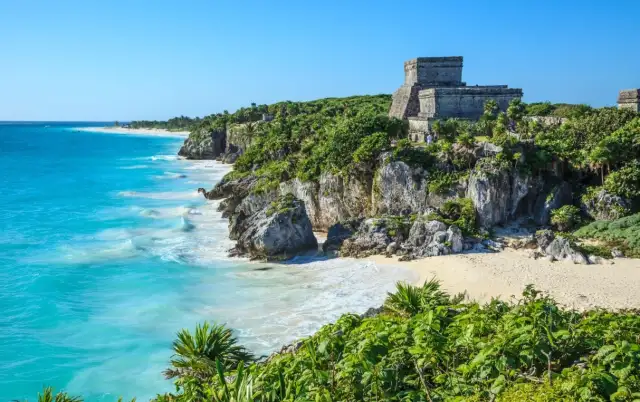
Tulum, Mexico 🇲🇽 — The Ancient Mayan City Overlooking the Caribbean SeaImagine exploring centuries-old stone temples while turquoise waves crash against white-sand beaches below. Tropical greenery surrounds the ancient walls, and the Caribbean horizon stretches endlessly into the distance. Welcome to Tulum, one of Mexico's most picturesque archaeological destinations. Located on the Yucatán Peninsula, Tulum was an important coastal settlement of the ancient Maya civilization. Unlike many inland Mayan cities, it was built beside the Caribbean Sea, creating one of the most extraordinary historical landscapes in the region. 🏛️ What Makes Tulum So Special? Tulum flourished particularly during the Late Postclassic period, approximately between the 13th and 15th centuries. Its coastal location made it an important trading settlement. The city was protected by defensive walls on three sides, while dramatic sea cliffs guarded its eastern edge. Today, its temples, ceremonial buildings, and spectacular ocean views make it a memorable place to explore. 📍 5 Places You Should Explore in Tulum 1. El Castillo El Castillo is the most recognizable structure in the archaeological zone. Standing dramatically above the Caribbean Sea, this ancient temple creates one of the most photographed views in Mexico. 2. Temple of the Frescoes This fascinating building is known for its surviving decorative artwork and religious imagery. Its murals offer a glimpse into the spiritual and artistic traditions of the Maya. 3. Temple of the Descending God Look for the unusual figure carved above the entrance of this small temple. Its distinctive design makes it one of the most interesting structures within the ancient city. 4. The Ancient Defensive Walls Tulum's stone walls surrounded much of the settlement and helped protect the city. Walking beside these remains reveals how the Maya adapted their architecture to the coastal landscape. 5. The Caribbean Coastal Viewpoint One of Tulum's greatest attractions is its natural setting. From the archaeological cliffs, visitors can admire the contrast between ancient stone structures, green vegetation, and brilliant blue ocean water. 🌤️ Best Time to Visit Tulum November to April is generally a popular period to visit, with relatively dry weather and pleasant conditions. May to October can be hotter and more humid, with a greater chance of rain. Visit early in the morning to avoid the strongest midday heat and enjoy a quieter experience. ✈️ Practical Travel Tips · Tulum is located in Quintana Roo, Mexico, on the Caribbean coast. · Arrive early to avoid large crowds and high temperatures. · Wear comfortable walking shoes and bring sun protection. · Carry drinking water and follow site conservation rules. · Check current opening hours and ticket information before travelling. · Combine the archaeological visit with nearby beaches or a cenote experience. ✨ Why Tulum Belongs on Your Bucket List Tulum offers something truly special: the chance to discover ancient Mayan history in a setting of extraordinary natural beauty. Its seaside temples, historic walls, and Caribbean views create a travel experience unlike a typical archaeological visit. Whether you love history, photography, architecture, or tropical scenery, Tulum is a destination worth discovering. Would you rather explore the ancient Mayan temples first or spend the afternoon enjoying the turquoise Caribbean coastline? 🌴 #Tulum #MexicoTravel #MayanCivilization #AncientCities #CaribbeanSea #HistoricalPlaces #Archaeology #TravelInspiration #TripMomentsMd Mohidul Islam3

- trip_com
- mexico
- guanajuato
- guanajuatotravel
- mexicohiddengems
- colonialmexico
- callejondelbeso
- budgettravel
- americasguide
- travelmexico
- unesco
- mexicanculture
- vivamexico
Guanajuato — The Mexican City of Tunnels Where the Dead Are Celebrated and the Streets SingMexico has Cancún and Tulum, but in the highlands of central Mexico lies a city that feels like a fever dream of color and sound. Guanajuato is a UNESCO-listed mining town built into a narrow valley. Its streets twist and climb, its houses are painted in every shade of the rainbow, and beneath it all runs a network of underground tunnels that once carried river water and now carry cars. Here is how to get lost in the best way possible and save money with Trip.com. 1. The Callejón del Beso: A Kiss That Costs Nothing The Alley of the Kiss is so narrow that balconies almost touch from opposite sides. Legend says a young couple fell in love across this gap. The girl's father forbade it and killed her. Now, lovers stand on the third step and kiss for good luck. If they refuse, seven years of bad luck follow. Come early. The alley is packed by noon, and the line for the perfect photo stretches down the hill. Pro Tip: Download the Trip.com offline map for Guanajuato. The city is a maze of hills, stairways, and hidden plazas. The map shows you the quiet routes between the main sights, avoiding the tourist bottlenecks and revealing tiny courtyards where locals sell fresh juice and handmade crafts. 2. The Mummies of Guanajuato: Morbid and Unforgettable Guanajuato's most famous attraction is not for the faint of heart. The Museo de las Momias houses naturally mummified bodies exhumed from the local cemetery. They are preserved by the dry mountain air, their faces frozen in expressions that range from peaceful to terrifying. It is morbid. It is controversial. And it is deeply fascinating. The bodies tell stories of cholera outbreaks, mining accidents, and lives cut short. Money Hack: Buy your ticket on Trip.com before you go. The museum is small, and lines stretch for hours in peak season. Booking online lets you skip the queue and enter through a separate entrance. Go on a weekday morning for the fewest people. The silence makes the experience even more powerful. 3. El Pípila: The View That Explains Everything High above the city stands a massive statue of El Pípila, a miner who became a hero of the Mexican War of Independence. Climb the hill at sunset. The panorama is staggering. The city spills down the valley in a cascade of orange, yellow, pink, and blue. The Basilica of Our Lady of Guanajuato glows in the center. The mountains fade into purple shadows. Budget Advice: Take the funicular up but walk down. The funicular costs a few pesos and saves your legs. The walk down is beautiful and free. You will pass through alleys where laundry hangs from wrought-iron balconies and old men play dominoes on the steps. Check Trip.com for a "Sunset at El Pípila" experience that includes a guide and a drink at a rooftop bar. 4. Food That Feeds the Revolution Guanajuato's cuisine is bold, spicy, and deeply rooted in the land. Try Enchiladas Mineras — tortillas dipped in guajillo sauce, stuffed with cheese and potatoes, topped with carrots and lettuce. Order Chiles en Nogada if you visit in late summer — a dish of stuffed poblano peppers covered in walnut cream and pomegranate seeds, representing the colors of the Mexican flag. And do not miss Cajeta — a caramel made from goat's milk that locals drizzle on everything. Where to Eat: Skip the restaurants on the main plaza. Walk up toward the university district. The student-run cafés serve huge portions for a fraction of the price. Find Casa Valadez for a splurge or Mercado Hidalgo for authentic street food. Check Trip.com for restaurant deals — some places offer free guacamole and chips when you mention the app. Where to Stay? Book on Trip.com a colonial house converted into a boutique hotel. Look for something in the Pastita or San Javier neighborhoods, just outside the center. You will sleep in a building with thick adobe walls, a courtyard full of bougainvillea, and a rooftop terrace overlooking the valley. The walk into town is ten minutes, and the nights are quiet except for distant mariachi music. Conclusion: Guanajuato is not a beach town. It is not relaxing in the traditional sense. It is steep, noisy, and alive. Students spill out of bars at midnight. Musicians wander the streets in traditional dress. The tunnels rumble with traffic. And yet, somehow, it all works. It is a city that knows how to live, how to cry, and how to laugh. It is Mexico at its most passionate. Come and feel your heartbeat sync with the rhythm of the streets. The city will not let you sleep, and you will not want it to. #trip_com #Mexico #Guanajuato #guanajuatotravel #MexicoHiddenGems #ColonialMexico #CallejonDelBeso #BudgetTravel #AmericasGuide #travelmexico #unesco #MexicanCulture #VivaMexicoNasnik1

- beachlife
- staycation
- thingstodo
- myitinerary
- travel
Tulum 🇲🇽 Tulum: Where Ancient Mayan Ruins Meet Caribbean Paradise 🌴Itinerary Overview Tulum feels like a place where jungle, Mayan history, and Caribbean blues blend effortlessly. Compared with busy resort towns like Cancún, Tulum is slower, more bohemian, and much more nature-focused. You spend your days between ancient ruins, cenotes, and beach clubs — and your evenings with candle-lit dinners under palm trees. Perfect for: couples, photographers, wellness lovers, and relaxed luxury travellers. 🚩 Sightseeing Route Day 1 — Ruins & Beaches Morning at the famous coastal ruins → afternoon relaxing at Playa Paraíso → sunset beach walk Day 2 — Cenotes Adventure Gran Cenote → Dos Ojos → jungle bike ride → dinner in Tulum town Day 3 — Nature & Culture Sian Ka’an Biosphere Reserve boat tour → sunset dinner in the hotel zone 🏖️ Must-Visit Attractions Tulum Archaeological Zone — the only Mayan ruins overlooking the Caribbean Sea Gran Cenote — crystal clear water, turtles swimming beside you Cenote Dos Ojos — surreal underwater cave formations Sian Ka’an Biosphere Reserve — wild dolphins, lagoons, and untouched mangroves Playa Paraíso — postcard-perfect Caribbean beach 🚇 Transportation Rent a bike — honestly the best way to explore Tulum Scooters available but sandy roads can be tricky Taxis are expensive (no Uber in hotel zone) ADO buses connect Tulum with Playa del Carmen and Cancún 📷 Photo Spots Ruins cliff overlooking turquoise sea (sunrise = empty) Cenotes light rays at midday Beach hotel swings & macramé décor Jungle roads lined with palms 🍜 Local Cuisine Must try: Fish tacos with habanero salsa Cochinita pibil (slow roasted pork) Fresh coconut water on the beach Mezcal cocktails Tulum has amazing healthy food — smoothie bowls, vegan cafés, and wood-fire seafood grills. 🏠 Accommodation Beach Zone → boutique eco-hotels & luxury stays (romantic but pricey) Tulum Pueblo → affordable & authentic vibe Jungle hotels → unique experience surrounded by nature Tip: many hotels run on generators — expect occasional power cuts (part of the charm!). 💡 Tips Go early to ruins (heat + crowds after 10am) Bring cash — many places don’t accept cards Mosquito spray is essential Seaweed (sargassum) varies by season — winter months are best Book cenote tours locally — cheaper than online packages #beachlife #staycation #thingstodo #myitinerary #travelSaly.
- travel
- travel2026
- tulum
1 Day Itinerary in Tulum📍 Itinerary Overview Tulum is all about vibe — jungle, turquoise water, beach clubs and that effortless bohemian energy. 🚩 Sightseeing Route Start at the Tulum Ruins overlooking the Caribbean. After that move toward the beach road — cafés, beach clubs and small boutiques hidden in the jungle. 🏝 Must-Visit Attractions Tulum Ruins for the iconic ocean view. A cenote swim somewhere in the jungle. Sunset on the beach. 🚗 Transportation Bike, taxi or scooter. Everything in Tulum is about moving slowly between the beach and the jungle. 📷 Photo Spots Cliffs at the Tulum Ruins Beach road jungle hotels Cenotes with crystal water 🍽 Local Cuisine Fresh seafood, tacos, mezcal cocktails and stylish beach restaurants. #travel #travel2026 #tulumWineLover 30519
- tulum
- mexico
- ตูลุม
- เม็กซิโก
- ทะเลแคริบเบียน
- เที่ยวทะเล
- ชายหาดสวย
- วิวหลักล้าน
- travelphotography
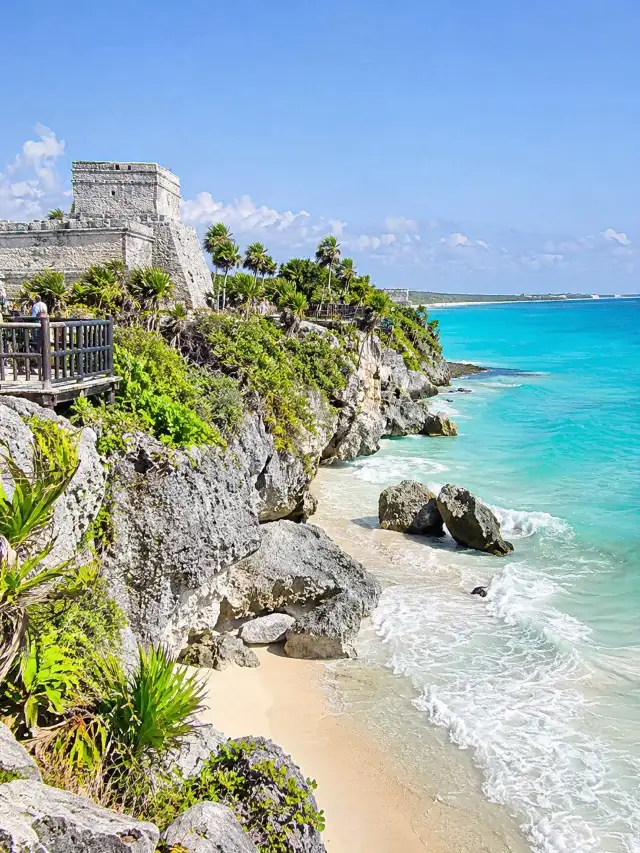
Tulum, Mexico — A Turquoise Paradise on the Caribbean CliffsDiscover the enchantment of Tulum, a coastal town where natural beauty seamlessly blends with ancient Mayan civilization. Majestic stone ruins perched on high cliffs overlook pristine white sands and stunning turquoise waters. It’s a dreamlike destination that offers breathtaking views from every vantage point 💙เก้าเก้าออกเดินทาง
 My Secret Paradise in Tulum: The Ultimate Guide to XELA, a Stunning Ocean View HotelG! Discovered a heavenly hotel! XELA Tulum brings the Caribbean Sea right into your room🌊 🏨 Hotel Highlights: 12 super spacious suites, each a unique work of art🎨 ✔️ Private plunge pool + open-air bathtub + 360° panoramic terrace ✔️ Michelin Guide recommended restaurant🍽️ ✔️ Exclusive golf cart transportation🛺 ✔️ Unbeatable views combining the Mayan jungle and the Caribbean Sea ✨ Special Experiences: ▫️ Zero waste and eco-friendly certification ▫️ Exclusive cocoa ceremonies and wellness workshops💆 ▫️ 24-hour dedicated concierge service ▫️ Instagram-worthy photo backdrops everywhere📸 🌿 Design Style: Minimalism meets organic architecture Each room has a private terrace Highly recommend visiting the rooftop bar for sunset Every snap looks like an Instagram masterpiece🤳 📍 Address: Carr. Tulum-Boca Paila KM 7.5, 77780 Tulum, Q.R. 💰 Reference Prices: Off-season about 5000 RMB+/night Peak season about 8000 RMB+/night 💡 Tips: 1. Be sure to book at least 3 months in advance! 2. Bring your bikini👙 and sunscreen 3. The rooftop bar view at dusk is amazing! 4. Golf carts are free to use for exploring the surroundings This luxury hotel, part of the NAMRON Group, perfectly combines luxury and environmental protection🌍 Remember to follow the hotel’s Instagram for the latest updates~SolarNomad333332

 In Cancun's dry season, the sea is blue and the cenote water is refreshingly coolCancun enters the dry season: swim in the morning, explore cenotes in the afternoon Once you've settled into Cancun, the first thing to do is kick off your shoes and step onto that blindingly white sand. Cancun is in the state of Quintana Roo in the southeastern corner of Mexico, at the northeastern tip of the Yucatan Peninsula, facing the Caribbean Sea. The color of the seawater here is famous—light green near the shore, turning blue as it gets deeper; standing on the beach, you can see the ripples in the sand at the bottom. From the airport, the entire coastline is lined with resorts, and the drive isn't long. November marks the beginning of the dry season here. There's less rain, and the sun is gentler than in midsummer. Daytime temperatures are around 30°C, with a breeze in the mornings and evenings, making it more comfortable than the peak of summer. It's a popular time to visit, so the beaches and hotel zone are quite lively; if you want peace and quiet, you can stay further away from the main area. You can get several days of good weather in a row, and the sea conditions are stable, making it easy to schedule boat trips and snorkeling. You still need to wear sunscreen; the Caribbean sun is direct, and the seawater reflects light, so your shoulders and back can easily get sunburned. The hotel zone is a long strip stretching along the coast, shaped like the number seven, with sea on both sides: one side has big waves, while the other is calm. When choosing a beach, don't just look at the area in front of your hotel; walking a few extra steps in either direction is often less crowded. The sea is calm in the early morning, which is when most people go snorkeling. Once the waves pick up, the management office will fly flags, and the color of the flag dictates the rules for the day. There are corals and schools of small fish underwater; keep your fins tucked in while snorkeling, don't step on the coral, and don't chase or touch the fish. If you want a change of scenery, you can take a boat to Isla Mujeres. The island isn't big, it's more laid-back than the city, and the water is clear—perfect for a half-day or full-day trip. The underwater museum nearby features a collection of submerged sculptures that you can see by snorkeling or taking a glass-bottom boat, so you don't even have to get in the water to see them. Heading south, you'll find the real highlight of this region: cenotes. The Yucatan has a limestone surface where rainwater seeps down, collapsing to form water-filled sinkholes, which locals call "cenotes." The water is cool and clear, often surrounded by hanging vines and stalactites. Cenotes come in all sizes and depths; some are hidden in caves, while others are open to the sky. Remember a few things before getting in: not every cenote is suitable for swimming, as depths and currents vary, so follow the signs and instructions from staff. Many places require you to shower before entering; do not wear sunscreen or insect repellent, as these can contaminate the water. Wear a life jacket when entering the water, and don't dive in headfirst—the light in the caves is dim, so take your time to adjust before moving around. Some cenotes have wooden platforms and steps for easy access; if you're not a strong swimmer, stay in the shallow areas first. Only visit open cenotes, and do not cross any roped-off areas. Mayan ruins should also be on your itinerary. Heading south to Tulum, the ancient city is built on cliffs overlooking the Caribbean Sea, with stone walls, temples, and steps all facing the water—a rare seaside city among Mayan ruins. Go early in the morning when it's less crowded and the light is softer; it gets uncomfortably hot by noon. Driving further inland, you'll find the region's more famous Chichen Itza, an ancient Mayan city listed as a World Heritage Site in 1988, with the Kukulcan Pyramid standing in the center. You can make a day trip from Cancun, though it takes some time on the road. There is little shade at the ruins, so be sure to bring a hat, water, and sunscreen. Do not climb on the stone monuments or touch them with your hands. For dining and accommodation, the hotel zone offers everything from simple to luxurious options, with a wide range of prices, so check whether meals are included before booking. If you leave the hotel zone and head into the city, there are many local restaurants with reasonable prices. Tacos, grilled meats, and seafood soup are common, and a table for two is often more than enough food. Don't look for cheap seafood at roadside stalls without ice, as your stomach might not handle it. If you want to save money, local snack stalls and supermarkets in the city are also good options. Renting a car offers freedom, but be mindful of parking and road conditions; there are many intersections and motorcycles in the city, so stay alert. Taxis and private car hires are also common—just agree on the price before getting in. Ticket prices and opening hours change throughout the year, and day trips from Cancun can also vary. Ask the hotel front desk when you arrive, or keep an eye on the daily schedule posted at the entrance to avoid a wasted trip. On the day you leave, look back at the sea, with its colors layering all the way to the horizon. If you come back, you'll likely follow this same itinerary.Stella Garcia

Additional information
Surrounding area map of Tulum

Tulum Photos: Trip Moments
- travel2026
- tulum
- couplestrip
🌴 Tulum — Mexico’s Most Instagrammable ParadiseWelcome to Tulum — one of the most beautiful and trendy destinations in Mexico. Imagine waking up to the sound of the Caribbean Sea, cycling through palm-lined jungle roads, and ending your day with a sunset overlooking ancient Mayan ruins. Located on the Riviera Maya coast, Tulum has become famous for its unique blend of luxury, nature, wellness, and bohemian lifestyle. Unlike traditional resort towns, Tulum feels more relaxed, stylish, and connected to nature. Here you’ll find boutique jungle hotels, beach clubs, hidden cenotes, yoga retreats, and some of the most stunning beaches in the Caribbean. 📍 Location: Tulum, Quintana Roo, Mexico ✈️ How to get there: Fly to Cancun International Airport, then drive approximately 1.5–2 hours south to Tulum by shuttle, rental car, or private transfer. 💰 Approximate weekly budget: · Budget travel: $800–1,500 · Comfortable vacation: $2,000–4,000 · Luxury beach resorts and villas: $5,000–15,000+ 🥙 What to try: · Fresh fish tacos · Ceviche · Guacamole made tableside · Mexican street food · Fresh coconut drinks on the beach 🌺Must-do experiences: · Visit the famous Tulum Mayan Ruins overlooking the Caribbean Sea · Swim in crystal-clear cenotes hidden in the jungle · Watch the sunrise on Tulum Beach · Explore Sian Ka’an Biosphere Reserve · Enjoy sunset cocktails at a beachfront beach club ✨ Fun fact: Tulum is one of the few places in the world where ancient ruins stand directly above a turquoise Caribbean coastline, creating one of the most photographed views in Mexico. With its white-sand beaches, jungle luxury hotels, and laid-back atmosphere, Tulum feels like a destination where nature and luxury exist in perfect balance. #travel2026 #tulum #couplestrip_Iris29- rivieramaya
- tulum
- mexico
- cenotes
- luxurytravel
- caribbean
🌴 Riviera Maya, MexicoLuxury Riviera Maya: Jungle Villas, Cenotes and Caribbean Beaches 🇲🇽😍 Swim in a crystal-clear cenote, explore ancient Mayan ruins and return to a private pool villa where the jungle meets the Caribbean Sea. Where to stay 🌿 Chablé Maroma: beachfront villas with private pools, inspired by Mayan design. From approx. $1,500 a night 🛶 Rosewood Mayakoba: lagoon and beach suites, reached by boat through mangroves. From approx. $900 a night 🎨 Azulik Tulum: eco-chic treehouse-style villas with no electricity in rooms. From approx. $600 a night Don’t miss 💧 Private cenote swim 🏛️ Tulum ruins on the cliffs at sunrise 🐢 Snorkelling with turtles in Akumal 🍽️ Chef’s table dinner in the jungle What it’ll cost (approx., per person) 💸 5 nights all in: roughly $3,500 to $8,000+ Tips 📅 Best time: December to April 🦟 Pack eco-friendly insect repellent 🧴 Many cenotes ban sunscreen, so swim before applying 💬 Your turn: Jungle cenote or Caribbean beach? 👇 #RivieraMaya #Tulum #Mexico #Cenotes #LuxuryTravel #CaribbeanJetlag travels1- citydaytours
- myitinerary
- travel
- localfood
- mexico
Tulum: Mexico’s Boho Paradise Where History Meets Turquoise Waves 🌴💦Tulum is that absolute dream coastal town sitting pretty on Mexico’s Yucatán Peninsula in Quintana Roo—about 130 km (80 mi) south of Cancún. It’s seriously trending right now, and for good reason! Think ancient Mayan ruins, a chill boho vibe, jaw-dropping Caribbean beaches, and next-level adventures everywhere you turn. Mayan Archaeological Ruins: History buffs and Instagrammers, get ready! 🏰 Tulum’s iconic ruins are perched atop 12-meter (39 ft) limestone cliffs, giving unreal views over epic turquoise waters. The 13th-century walled city was once a bustling port for Coba, and exploring its star attraction—El Castillo—is like stepping back into another world. Hot tip: come early for fewer crowds and golden morning light for your snaps! Location: Carretera Tulum Boca Paila Km 2.5, Tulum, Q.R., Mexico Opening Hours: Daily, 8 AM – 5 PM Natural Cenotes: You HAVE to take a plunge into Tulum’s wild freshwater cenotes—these natural swimming holes are pure magic.✨ Top picks include Gran Cenote, Cenote Calavera, and the underworld vibes of Dos Ojos for swimming, snorkeling, or even cave diving. The water is so clear it looks unreal! Gran Cenote Location: Quintana Roo 109, 3.5 km from Tulum Opening Hours: 8 AM – 4:45 PM Beach & Hotel Zone (Zona Hotelera): Tulum’s beach zone is pure boho-chic heaven. The entire strip is lined with eco-hotels, dreamy beach clubs, and wellness retreats made with rustic jungle vibes. If you’re craving world-class cuisine, stylish cocktails, or a yoga class with the ocean as your soundtrack, Zona Hotelera has it all. Tip: Most hotels, spas, and restos are strung along Carretera Tulum-Boca Paila. Sian Ka’an Biosphere Reserve: Feeling adventurous? Sian Ka’an is just south of Tulum and it’s a legit UNESCO World Heritage site! We’re talking mangroves, wild tropical forests, vibrant coral reefs, plus epic wildlife sightings (hello dolphins, sea turtles, and cheeky monkeys!). Tours often launch from Tulum and can last half to a full day—totally worth it. Visitor Center: Sian Ka’an Biosphere Reserve, Tulum, Q.R., Mexico Hours: Generally accessible 6 AM – 6 PM (tour operator times vary) Tulum is the ultimate blend of ancient legends and boho beach bliss, with a dash of eco-adventure. Ready to vibe? Your next escape is calling! 🌴🌞#citydaytours #myitinerary #travel #citydaytours #localfood #mexicocktan@891- naturalwonders
- couplestrip
Tulum, Mexico 🇲🇽jungle, beaches & ancient ruinsTulum combines three things that rarely come together: Caribbean beaches, tropical jungle and ancient Mayan ruins. Start your morning at the archaeological site overlooking the sea, spend the afternoon at a beach club and finish the day with dinner among the palms. Best time: November–April. 💰 Hotels: €60–150/night Luxury boutique hotels: €250–600+ 🌮 Try tacos al pastor, ceviche and fresh guacamole. ✨ Best for: couples, beach lovers and travelers looking for a stylish tropical escape. #naturalwonders #couplestripErnest_01К10- hashtags
- tulum
- mexico
- backpacking
- travelgram
- visitmexico
- budgettravel
- tulumruins
- cenotes
- islandlife
- adventure
- wanderlust
- backpacking2026
Tulum on a Budget: Essential Backpacking Adventure#backpacking2026 Hey guys, I finally made it to Tulum, and let me tell you, it is everything everyone says and more. But as a backpacker, you really have to navigate between the "Tulum influencer" vibe and the actual authentic Mexican experience. I spent my first morning at the iconic Mayan ruins, and standing on that cliff looking over the turquoise water was just surreal; it’s easily one of the most beautiful views I've ever seen. I also couldn't resist checking out the famous Ven a la Luz sculpture, which is even more impressive in person, but be prepared for a long line if you want that perfect shot. For a great local tip, avoid eating anything on the main beach road as it's wildly expensive; instead, rent a bike and head into Tulum Town (the Pueblo) where the real magic (and cheap tacos!) happens. You can get incredible street tacos for less than a dollar each, which completely saved my budget. One of the highlights of my trip was exploring the cenotes, which are basically magical underground swimming holes. I spent a whole afternoon at Cenote Azul, just jumping off the rocks and swimming in the crystal-clear fresh water, and it felt like being in a different world. Afterward, I wanted to stay active, so I checked out the Tulum Jungle Gym right on the beach. Lifting weights made of wood and bamboo while looking at the ocean was such a unique experience, even though I mostly just went for the photos! For activities, I also highly suggest renting an ATV one day and just riding around; we found some amazing hidden paths through the jungle and a small, quiet lagoon where we were the only people there. It’s also super fun just to walk down the small jungle paths that connect the main roads, and we even found a cool rope bridge! Now let's talk about budget, because Tulum can get very expensive if you're not careful. I managed to keep my costs to around $60 to $80 USD a day, but that took some discipline. My biggest expense was accommodation, even staying in a hostel, but that’s just how it is here. The trick is to fill your day with low-cost activities like swimming in cenotes, which usually have an entry fee of $10 to $20 USD, or just hanging out at the free public beaches. For transportation, I highly recommend renting a bike, which is about $10 USD for the day and is the best way to get around. So, my ultimate advice is to spend your mornings at the ruins or cenotes, your afternoons on the beach, and your evenings eating with the locals in town. Trust me, you'll have an unforgettable time without breaking the bank! #hashtags #Tulum #Mexico #backpacking #travelgram #visitmexico #budgettravel #tulumruins #cenotes #islandlife #adventure #wanderlustArzmy Hargreaves- tulum
- mexicotravel
- mayancivilization
- ancientcities
- caribbeansea
- historicalplaces
- archaeology
- travelinspiration
- tripmoments
- ancientruins
Tulum, Mexico 🇲🇽 — The Ancient Mayan City Overlooking the Caribbean SeaImagine exploring centuries-old stone temples while turquoise waves crash against white-sand beaches below. Tropical greenery surrounds the ancient walls, and the Caribbean horizon stretches endlessly into the distance. Welcome to Tulum, one of Mexico's most picturesque archaeological destinations. Located on the Yucatán Peninsula, Tulum was an important coastal settlement of the ancient Maya civilization. Unlike many inland Mayan cities, it was built beside the Caribbean Sea, creating one of the most extraordinary historical landscapes in the region. 🏛️ What Makes Tulum So Special? Tulum flourished particularly during the Late Postclassic period, approximately between the 13th and 15th centuries. Its coastal location made it an important trading settlement. The city was protected by defensive walls on three sides, while dramatic sea cliffs guarded its eastern edge. Today, its temples, ceremonial buildings, and spectacular ocean views make it a memorable place to explore. 📍 5 Places You Should Explore in Tulum 1. El Castillo El Castillo is the most recognizable structure in the archaeological zone. Standing dramatically above the Caribbean Sea, this ancient temple creates one of the most photographed views in Mexico. 2. Temple of the Frescoes This fascinating building is known for its surviving decorative artwork and religious imagery. Its murals offer a glimpse into the spiritual and artistic traditions of the Maya. 3. Temple of the Descending God Look for the unusual figure carved above the entrance of this small temple. Its distinctive design makes it one of the most interesting structures within the ancient city. 4. The Ancient Defensive Walls Tulum's stone walls surrounded much of the settlement and helped protect the city. Walking beside these remains reveals how the Maya adapted their architecture to the coastal landscape. 5. The Caribbean Coastal Viewpoint One of Tulum's greatest attractions is its natural setting. From the archaeological cliffs, visitors can admire the contrast between ancient stone structures, green vegetation, and brilliant blue ocean water. 🌤️ Best Time to Visit Tulum November to April is generally a popular period to visit, with relatively dry weather and pleasant conditions. May to October can be hotter and more humid, with a greater chance of rain. Visit early in the morning to avoid the strongest midday heat and enjoy a quieter experience. ✈️ Practical Travel Tips · Tulum is located in Quintana Roo, Mexico, on the Caribbean coast. · Arrive early to avoid large crowds and high temperatures. · Wear comfortable walking shoes and bring sun protection. · Carry drinking water and follow site conservation rules. · Check current opening hours and ticket information before travelling. · Combine the archaeological visit with nearby beaches or a cenote experience. ✨ Why Tulum Belongs on Your Bucket List Tulum offers something truly special: the chance to discover ancient Mayan history in a setting of extraordinary natural beauty. Its seaside temples, historic walls, and Caribbean views create a travel experience unlike a typical archaeological visit. Whether you love history, photography, architecture, or tropical scenery, Tulum is a destination worth discovering. Would you rather explore the ancient Mayan temples first or spend the afternoon enjoying the turquoise Caribbean coastline? 🌴 #Tulum #MexicoTravel #MayanCivilization #AncientCities #CaribbeanSea #HistoricalPlaces #Archaeology #TravelInspiration #TripMomentsMd Mohidul Islam3- trip_com
- mexico
- guanajuato
- guanajuatotravel
- mexicohiddengems
- colonialmexico
- callejondelbeso
- budgettravel
- americasguide
- travelmexico
- unesco
- mexicanculture
- vivamexico
Guanajuato — The Mexican City of Tunnels Where the Dead Are Celebrated and the Streets SingMexico has Cancún and Tulum, but in the highlands of central Mexico lies a city that feels like a fever dream of color and sound. Guanajuato is a UNESCO-listed mining town built into a narrow valley. Its streets twist and climb, its houses are painted in every shade of the rainbow, and beneath it all runs a network of underground tunnels that once carried river water and now carry cars. Here is how to get lost in the best way possible and save money with Trip.com. 1. The Callejón del Beso: A Kiss That Costs Nothing The Alley of the Kiss is so narrow that balconies almost touch from opposite sides. Legend says a young couple fell in love across this gap. The girl's father forbade it and killed her. Now, lovers stand on the third step and kiss for good luck. If they refuse, seven years of bad luck follow. Come early. The alley is packed by noon, and the line for the perfect photo stretches down the hill. Pro Tip: Download the Trip.com offline map for Guanajuato. The city is a maze of hills, stairways, and hidden plazas. The map shows you the quiet routes between the main sights, avoiding the tourist bottlenecks and revealing tiny courtyards where locals sell fresh juice and handmade crafts. 2. The Mummies of Guanajuato: Morbid and Unforgettable Guanajuato's most famous attraction is not for the faint of heart. The Museo de las Momias houses naturally mummified bodies exhumed from the local cemetery. They are preserved by the dry mountain air, their faces frozen in expressions that range from peaceful to terrifying. It is morbid. It is controversial. And it is deeply fascinating. The bodies tell stories of cholera outbreaks, mining accidents, and lives cut short. Money Hack: Buy your ticket on Trip.com before you go. The museum is small, and lines stretch for hours in peak season. Booking online lets you skip the queue and enter through a separate entrance. Go on a weekday morning for the fewest people. The silence makes the experience even more powerful. 3. El Pípila: The View That Explains Everything High above the city stands a massive statue of El Pípila, a miner who became a hero of the Mexican War of Independence. Climb the hill at sunset. The panorama is staggering. The city spills down the valley in a cascade of orange, yellow, pink, and blue. The Basilica of Our Lady of Guanajuato glows in the center. The mountains fade into purple shadows. Budget Advice: Take the funicular up but walk down. The funicular costs a few pesos and saves your legs. The walk down is beautiful and free. You will pass through alleys where laundry hangs from wrought-iron balconies and old men play dominoes on the steps. Check Trip.com for a "Sunset at El Pípila" experience that includes a guide and a drink at a rooftop bar. 4. Food That Feeds the Revolution Guanajuato's cuisine is bold, spicy, and deeply rooted in the land. Try Enchiladas Mineras — tortillas dipped in guajillo sauce, stuffed with cheese and potatoes, topped with carrots and lettuce. Order Chiles en Nogada if you visit in late summer — a dish of stuffed poblano peppers covered in walnut cream and pomegranate seeds, representing the colors of the Mexican flag. And do not miss Cajeta — a caramel made from goat's milk that locals drizzle on everything. Where to Eat: Skip the restaurants on the main plaza. Walk up toward the university district. The student-run cafés serve huge portions for a fraction of the price. Find Casa Valadez for a splurge or Mercado Hidalgo for authentic street food. Check Trip.com for restaurant deals — some places offer free guacamole and chips when you mention the app. Where to Stay? Book on Trip.com a colonial house converted into a boutique hotel. Look for something in the Pastita or San Javier neighborhoods, just outside the center. You will sleep in a building with thick adobe walls, a courtyard full of bougainvillea, and a rooftop terrace overlooking the valley. The walk into town is ten minutes, and the nights are quiet except for distant mariachi music. Conclusion: Guanajuato is not a beach town. It is not relaxing in the traditional sense. It is steep, noisy, and alive. Students spill out of bars at midnight. Musicians wander the streets in traditional dress. The tunnels rumble with traffic. And yet, somehow, it all works. It is a city that knows how to live, how to cry, and how to laugh. It is Mexico at its most passionate. Come and feel your heartbeat sync with the rhythm of the streets. The city will not let you sleep, and you will not want it to. #trip_com #Mexico #Guanajuato #guanajuatotravel #MexicoHiddenGems #ColonialMexico #CallejonDelBeso #BudgetTravel #AmericasGuide #travelmexico #unesco #MexicanCulture #VivaMexicoNasnik1- beachlife
- staycation
- thingstodo
- myitinerary
- travel
Tulum 🇲🇽 Tulum: Where Ancient Mayan Ruins Meet Caribbean Paradise 🌴Itinerary Overview Tulum feels like a place where jungle, Mayan history, and Caribbean blues blend effortlessly. Compared with busy resort towns like Cancún, Tulum is slower, more bohemian, and much more nature-focused. You spend your days between ancient ruins, cenotes, and beach clubs — and your evenings with candle-lit dinners under palm trees. Perfect for: couples, photographers, wellness lovers, and relaxed luxury travellers. 🚩 Sightseeing Route Day 1 — Ruins & Beaches Morning at the famous coastal ruins → afternoon relaxing at Playa Paraíso → sunset beach walk Day 2 — Cenotes Adventure Gran Cenote → Dos Ojos → jungle bike ride → dinner in Tulum town Day 3 — Nature & Culture Sian Ka’an Biosphere Reserve boat tour → sunset dinner in the hotel zone 🏖️ Must-Visit Attractions Tulum Archaeological Zone — the only Mayan ruins overlooking the Caribbean Sea Gran Cenote — crystal clear water, turtles swimming beside you Cenote Dos Ojos — surreal underwater cave formations Sian Ka’an Biosphere Reserve — wild dolphins, lagoons, and untouched mangroves Playa Paraíso — postcard-perfect Caribbean beach 🚇 Transportation Rent a bike — honestly the best way to explore Tulum Scooters available but sandy roads can be tricky Taxis are expensive (no Uber in hotel zone) ADO buses connect Tulum with Playa del Carmen and Cancún 📷 Photo Spots Ruins cliff overlooking turquoise sea (sunrise = empty) Cenotes light rays at midday Beach hotel swings & macramé décor Jungle roads lined with palms 🍜 Local Cuisine Must try: Fish tacos with habanero salsa Cochinita pibil (slow roasted pork) Fresh coconut water on the beach Mezcal cocktails Tulum has amazing healthy food — smoothie bowls, vegan cafés, and wood-fire seafood grills. 🏠 Accommodation Beach Zone → boutique eco-hotels & luxury stays (romantic but pricey) Tulum Pueblo → affordable & authentic vibe Jungle hotels → unique experience surrounded by nature Tip: many hotels run on generators — expect occasional power cuts (part of the charm!). 💡 Tips Go early to ruins (heat + crowds after 10am) Bring cash — many places don’t accept cards Mosquito spray is essential Seaweed (sargassum) varies by season — winter months are best Book cenote tours locally — cheaper than online packages #beachlife #staycation #thingstodo #myitinerary #travelSaly.- travel
- travel2026
- tulum
1 Day Itinerary in Tulum📍 Itinerary Overview Tulum is all about vibe — jungle, turquoise water, beach clubs and that effortless bohemian energy. 🚩 Sightseeing Route Start at the Tulum Ruins overlooking the Caribbean. After that move toward the beach road — cafés, beach clubs and small boutiques hidden in the jungle. 🏝 Must-Visit Attractions Tulum Ruins for the iconic ocean view. A cenote swim somewhere in the jungle. Sunset on the beach. 🚗 Transportation Bike, taxi or scooter. Everything in Tulum is about moving slowly between the beach and the jungle. 📷 Photo Spots Cliffs at the Tulum Ruins Beach road jungle hotels Cenotes with crystal water 🍽 Local Cuisine Fresh seafood, tacos, mezcal cocktails and stylish beach restaurants. #travel #travel2026 #tulumWineLover 30519- tulum
- mexico
- ตูลุม
- เม็กซิโก
- ทะเลแคริบเบียน
- เที่ยวทะเล
- ชายหาดสวย
- วิวหลักล้าน
- travelphotography
Tulum, Mexico — A Turquoise Paradise on the Caribbean CliffsDiscover the enchantment of Tulum, a coastal town where natural beauty seamlessly blends with ancient Mayan civilization. Majestic stone ruins perched on high cliffs overlook pristine white sands and stunning turquoise waters. It’s a dreamlike destination that offers breathtaking views from every vantage point 💙เก้าเก้าออกเดินทาง- My Secret Paradise in Tulum: The Ultimate Guide to XELA, a Stunning Ocean View HotelG! Discovered a heavenly hotel! XELA Tulum brings the Caribbean Sea right into your room🌊 🏨 Hotel Highlights: 12 super spacious suites, each a unique work of art🎨 ✔️ Private plunge pool + open-air bathtub + 360° panoramic terrace ✔️ Michelin Guide recommended restaurant🍽️ ✔️ Exclusive golf cart transportation🛺 ✔️ Unbeatable views combining the Mayan jungle and the Caribbean Sea ✨ Special Experiences: ▫️ Zero waste and eco-friendly certification ▫️ Exclusive cocoa ceremonies and wellness workshops💆 ▫️ 24-hour dedicated concierge service ▫️ Instagram-worthy photo backdrops everywhere📸 🌿 Design Style: Minimalism meets organic architecture Each room has a private terrace Highly recommend visiting the rooftop bar for sunset Every snap looks like an Instagram masterpiece🤳 📍 Address: Carr. Tulum-Boca Paila KM 7.5, 77780 Tulum, Q.R. 💰 Reference Prices: Off-season about 5000 RMB+/night Peak season about 8000 RMB+/night 💡 Tips: 1. Be sure to book at least 3 months in advance! 2. Bring your bikini👙 and sunscreen 3. The rooftop bar view at dusk is amazing! 4. Golf carts are free to use for exploring the surroundings This luxury hotel, part of the NAMRON Group, perfectly combines luxury and environmental protection🌍 Remember to follow the hotel’s Instagram for the latest updates~SolarNomad333332
- In Cancun's dry season, the sea is blue and the cenote water is refreshingly coolCancun enters the dry season: swim in the morning, explore cenotes in the afternoon Once you've settled into Cancun, the first thing to do is kick off your shoes and step onto that blindingly white sand. Cancun is in the state of Quintana Roo in the southeastern corner of Mexico, at the northeastern tip of the Yucatan Peninsula, facing the Caribbean Sea. The color of the seawater here is famous—light green near the shore, turning blue as it gets deeper; standing on the beach, you can see the ripples in the sand at the bottom. From the airport, the entire coastline is lined with resorts, and the drive isn't long. November marks the beginning of the dry season here. There's less rain, and the sun is gentler than in midsummer. Daytime temperatures are around 30°C, with a breeze in the mornings and evenings, making it more comfortable than the peak of summer. It's a popular time to visit, so the beaches and hotel zone are quite lively; if you want peace and quiet, you can stay further away from the main area. You can get several days of good weather in a row, and the sea conditions are stable, making it easy to schedule boat trips and snorkeling. You still need to wear sunscreen; the Caribbean sun is direct, and the seawater reflects light, so your shoulders and back can easily get sunburned. The hotel zone is a long strip stretching along the coast, shaped like the number seven, with sea on both sides: one side has big waves, while the other is calm. When choosing a beach, don't just look at the area in front of your hotel; walking a few extra steps in either direction is often less crowded. The sea is calm in the early morning, which is when most people go snorkeling. Once the waves pick up, the management office will fly flags, and the color of the flag dictates the rules for the day. There are corals and schools of small fish underwater; keep your fins tucked in while snorkeling, don't step on the coral, and don't chase or touch the fish. If you want a change of scenery, you can take a boat to Isla Mujeres. The island isn't big, it's more laid-back than the city, and the water is clear—perfect for a half-day or full-day trip. The underwater museum nearby features a collection of submerged sculptures that you can see by snorkeling or taking a glass-bottom boat, so you don't even have to get in the water to see them. Heading south, you'll find the real highlight of this region: cenotes. The Yucatan has a limestone surface where rainwater seeps down, collapsing to form water-filled sinkholes, which locals call "cenotes." The water is cool and clear, often surrounded by hanging vines and stalactites. Cenotes come in all sizes and depths; some are hidden in caves, while others are open to the sky. Remember a few things before getting in: not every cenote is suitable for swimming, as depths and currents vary, so follow the signs and instructions from staff. Many places require you to shower before entering; do not wear sunscreen or insect repellent, as these can contaminate the water. Wear a life jacket when entering the water, and don't dive in headfirst—the light in the caves is dim, so take your time to adjust before moving around. Some cenotes have wooden platforms and steps for easy access; if you're not a strong swimmer, stay in the shallow areas first. Only visit open cenotes, and do not cross any roped-off areas. Mayan ruins should also be on your itinerary. Heading south to Tulum, the ancient city is built on cliffs overlooking the Caribbean Sea, with stone walls, temples, and steps all facing the water—a rare seaside city among Mayan ruins. Go early in the morning when it's less crowded and the light is softer; it gets uncomfortably hot by noon. Driving further inland, you'll find the region's more famous Chichen Itza, an ancient Mayan city listed as a World Heritage Site in 1988, with the Kukulcan Pyramid standing in the center. You can make a day trip from Cancun, though it takes some time on the road. There is little shade at the ruins, so be sure to bring a hat, water, and sunscreen. Do not climb on the stone monuments or touch them with your hands. For dining and accommodation, the hotel zone offers everything from simple to luxurious options, with a wide range of prices, so check whether meals are included before booking. If you leave the hotel zone and head into the city, there are many local restaurants with reasonable prices. Tacos, grilled meats, and seafood soup are common, and a table for two is often more than enough food. Don't look for cheap seafood at roadside stalls without ice, as your stomach might not handle it. If you want to save money, local snack stalls and supermarkets in the city are also good options. Renting a car offers freedom, but be mindful of parking and road conditions; there are many intersections and motorcycles in the city, so stay alert. Taxis and private car hires are also common—just agree on the price before getting in. Ticket prices and opening hours change throughout the year, and day trips from Cancun can also vary. Ask the hotel front desk when you arrive, or keep an eye on the daily schedule posted at the entrance to avoid a wasted trip. On the day you leave, look back at the sea, with its colors layering all the way to the horizon. If you come back, you'll likely follow this same itinerary.Stella Garcia
Other visitors' reviews of Tulum
Show More ReviewsTulum is one of the last cities built and inhabited by the Mayan civilization, and it is also one of the best-preserved coastal Mayan ruins. Looking at the Caribbean Sea along the ruins, the scenery is really beautiful, and the water is very blue and clear.