OverviewReviewsWin PrizesTrip MomentsNearbyRecommended
Share to
Show all
Bath
6.3
4.8/5
9 reviews
 No. 2 of Best Things to Do in Bath
Open Opening hours of Bath
Free entry
Recommended sightseeing time: 1–2 days
Address:
Bath, UK
Map
Bath attraction highlights
Some information may have been translated by Google Translate
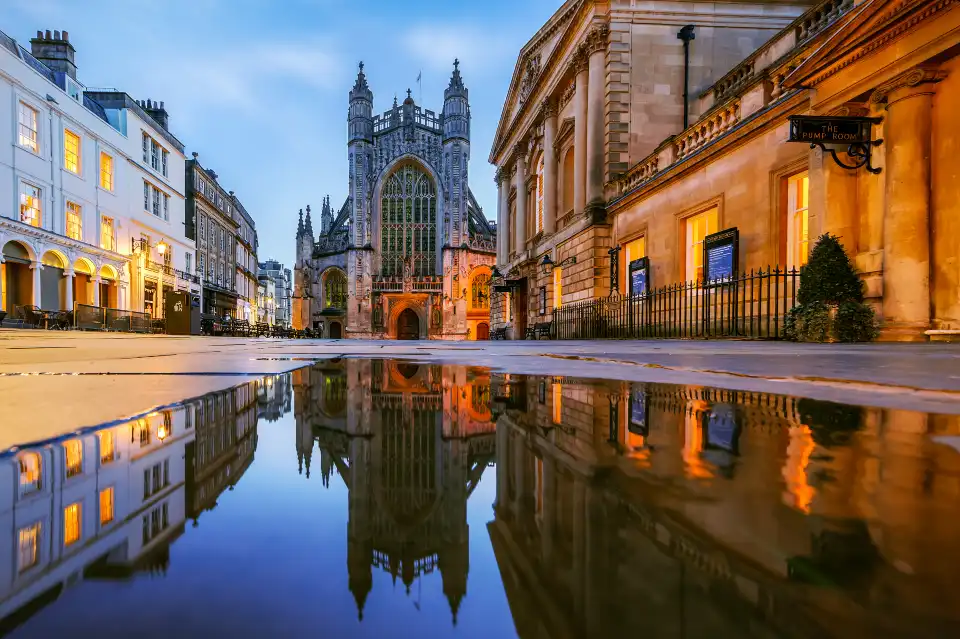
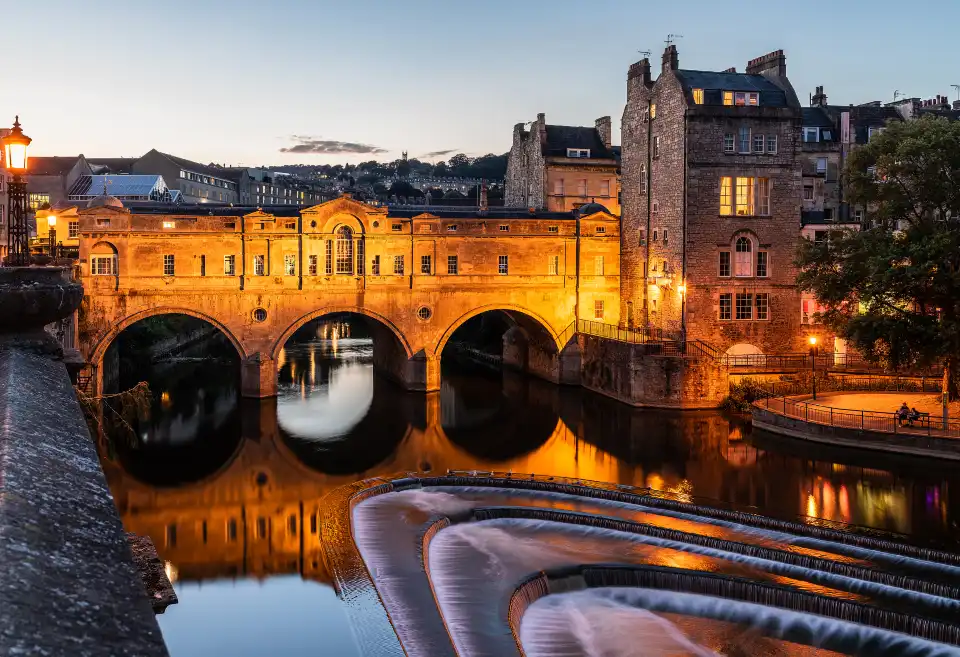
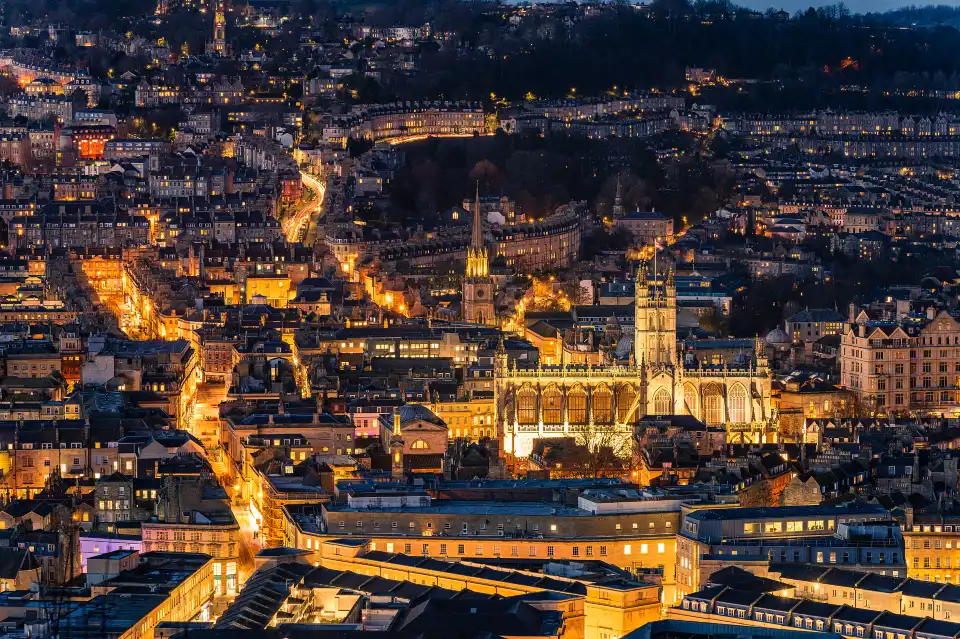
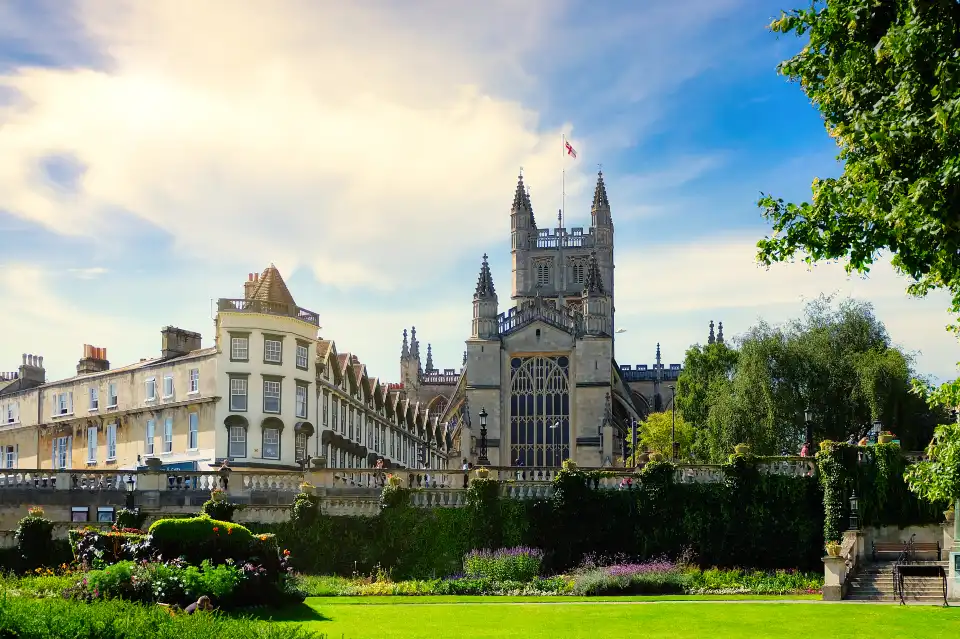
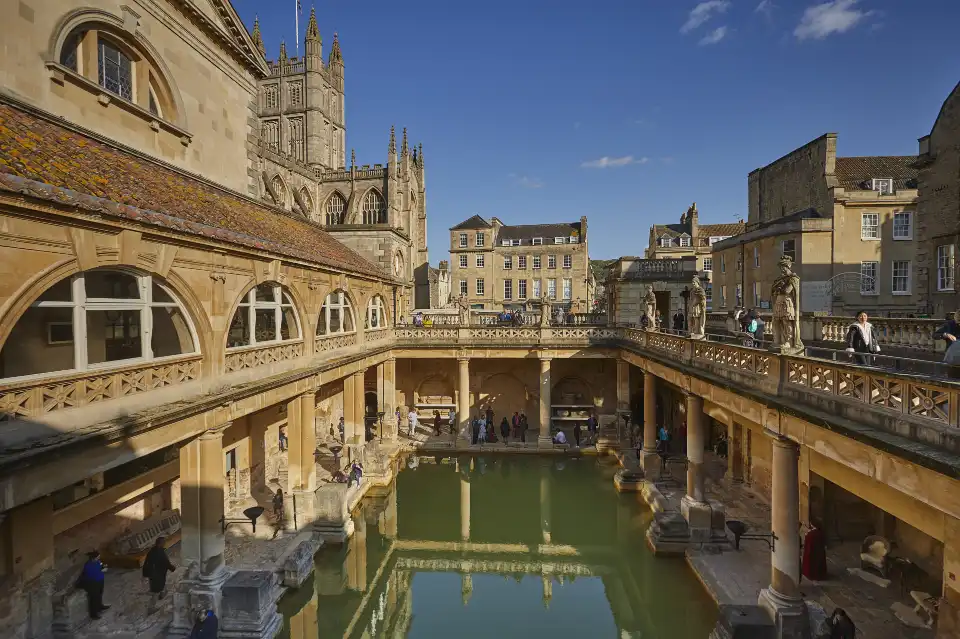
Bath is located in Somerset, southwestern England, United Kingdom, and sits on the banks of the River Avon, surrounded by rolling green hills. A distinctive local feature is its urban architecture built from honey-colored limestone, with neat Georgian-style terraced houses, arched structures, and classical facades lining the streets, creating a uniform color palette and a strong British charm. It also features museums, independent shops, cafes, restaurants, and public gardens. Its main features include its uniform stone architecture, hot spring views, and compact urban layout, making it suitable for walking tours and short leisure trips.
Bath Reviews: Insider Insights and Visitor Experiences
Write a review
Bath Photos: Trip Moments
- bathengland
- englandtravel
- romanbaths
- bathabbey
- royalcrescent
- pulteneybridge
- georgianarchitecture
- historicengland
- uktravel
- triptravel
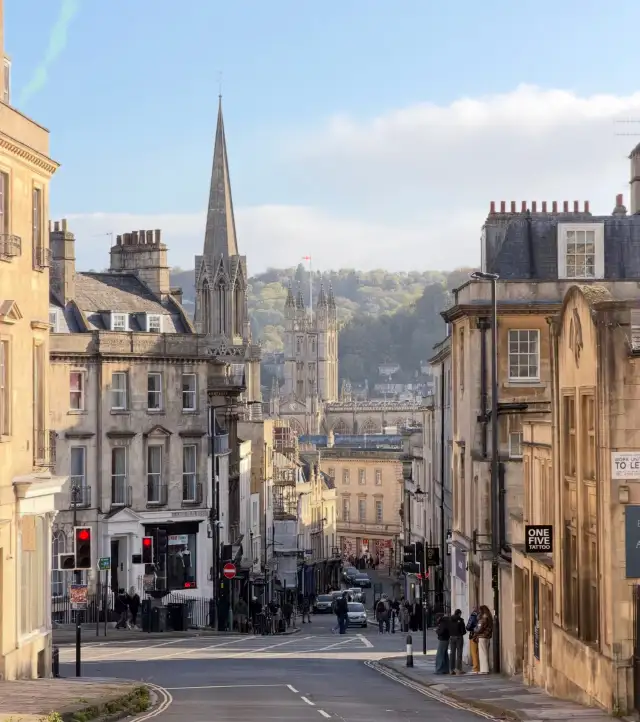
🇬🇧 Bath, England | A Beautiful Historic City of Roman Baths and Georgian Architecture 🏛️Bath is one of England's most elegant historic cities, famous for its Roman heritage, honey-coloured stone buildings and beautiful Georgian architecture. Its compact centre and distinctive atmosphere make it a wonderful destination for a relaxing city break. 🏛️ Must-Visit Attractions 💡 The Roman Baths The city's most famous attraction, the Roman Baths preserve the remains of an ancient bathing complex built around natural hot springs. The museum offers an insight into how people used the site nearly 2,000 years ago. 💡 Bath Abbey Located beside the Roman Baths, Bath Abbey is known for its impressive Gothic architecture and beautiful stained-glass windows. 💡 Royal Crescent This sweeping row of Georgian townhouses is one of Bath's most iconic architectural landmarks. Its curved façade and green lawn create a beautiful scene. 💡 The Circus Another example of Bath's distinctive Georgian architecture, The Circus consists of elegant curved buildings arranged around a circular space. 💡 Pulteney Bridge This historic bridge crosses the River Avon and is lined with shops, making it one of the city's most recognisable landmarks. ✈️ Travel Tips * Bath is easily reached by train from London, with journey times typically around 1.5 hours. * Most central attractions are within walking distance. * Book Roman Baths tickets ahead during busy periods. * Allow at least one full day, although an overnight stay makes the visit more relaxed. Bath is a destination where Roman history and Georgian elegance come together beautifully. It is an excellent choice for travellers who enjoy architecture, heritage and charming English streets. #BathEngland #EnglandTravel #RomanBaths #BathAbbey #RoyalCrescent #PulteneyBridge #GeorgianArchitecture #HistoricEngland #UKTravel #TripTravelChloe@@

- bathengland
- visitbath
- englandtravel
- uktravel
- bathtravel
- romanbaths
- pulteneybridge
- royalcrescent
- traveltips
- tripcom
- travelcommunity
- travelexperience
- daytrips
🏛️✨ My Day in Bath, England 🇬🇧 | Travel Experience & Helpful Tips Bath was one of the places I really enjoyed visiting during my England trip. The city has such a different atmosphere from London — beautiful Georgian architecture, charming streets, historic buildings, and plenty of places to explore on foot. 🤍 📍 What I enjoyed visiting: 🏛️ Roman Baths – A fascinating place to learn about Bath’s Roman history. Give yourself enough time to walk through the different sections and read the displays. ⛪ Bath Abbey – Beautiful architecture and right in the heart of the city. 🌉 Pulteney Bridge – One of the most photogenic spots in Bath, especially from the riverside. 🌿 Royal Crescent – A lovely place to walk around and admire Bath’s famous Georgian architecture. 🚶 Bath city centre – Very enjoyable to explore on foot, with cafés, shops and historic streets along the way. 💡 Tips from my visit: 👟 Wear comfortable shoes — Bath is best explored by walking. 🎟️ If you want to visit the Roman Baths, check opening times and ticket availability before your trip. 📸 Visit the main landmarks at different times of day if you want different photo opportunities. ☕ Leave some time to sit in a café and enjoy the atmosphere instead of rushing between attractions. 🗺️ Bath’s main sights are relatively close together, so a well-planned day can cover quite a lot without needing a car. 🚆 If you’re coming from London, check the train timetable in advance and plan your return journey, especially if you’re doing Bath as a day trip. ❤️ My overall experience: What I loved most about Bath was how easy it was to combine history, architecture, beautiful streets and a relaxed atmosphere in one visit. It felt like a place where I could slow down and enjoy the journey rather than simply checking attractions off a list. 📸 If you’re planning an England trip, I’d definitely keep Bath on your itinerary. Save this post for your planning and I hope you enjoy Bath as much as I did! 🇬🇧✨ #BathEngland #VisitBath #EnglandTravel #UKTravel #BathTravel #RomanBaths #PulteneyBridge #RoyalCrescent #TravelTips #Tripcom #TravelCommunity #TravelExperiencePratik_Patel4

- luxurylifestyle
- forestretreat
- luxurytravel
- luxurystays
Luxury Lifestyle Forest Retreat: Arch Treehouse, Bath, Pool & Deck! 🌲✨🏡There is nothing quite like living a true luxury lifestyle inside a sculptural wood-and-glass forest retreat where arched pods, sunlit decks, soaking tubs, indoor water features, and misty woodland views come together in serene nature. Because this ten-photo gallery brings together an arched two-level treehouse with stairs and a lower deck, a glass-fronted bedroom and tub facing forest trunks, a curved two-story pod with a round hot tub, a tall arched bedroom with slatted walls and a tub, a vaulted woodland suite with a round window, a sculptural bedroom with glowing niches and skylight, a forest bath with a vessel sink and tub, a skylight bedroom with a reflective floor pool, a dark-roofed arch cabin with a lower deck, and an oval pod above a railed terrace, naming each space clearly in a clean English Trip.com caption makes it easy for readers to explore and save effortlessly. ✨ Highlights from this luxury lifestyle forest retreat set: * Two-Level Arch Pod, Stairs & Deck: A curved wood-and-glass cabin with an upper bedroom, lantern lights, stairs, and a lower seating-and-tub deck rises among misty trees. * Forest-View Tub, Platform Bed & Shelves: A freestanding tub, low round bed with under-glow, pendant lamps, and lit shelves face tall misty forest trunks. * Curved Pod, Hot Tub & Lounge Terrace: An upper glass lounge sits above a circular hot tub, outdoor dining set, and railed deck nestled in tree branches. * Slatted Wall, Niche Shelves & Tub: Tall arched glass, hanging lights, a soaking tub, and lit wall niches frame a cozy bed amid lush green foliage. * Vaulted Cabin, Round Window & Lounge: Curved timber ribs, warm pendant lamps, and a large round window overlook a railed terrace and misty woodland. * Sculptural Openings, Skylight & Cozy Bed: Organic curved wood walls, glowing niches, a round skylight, and a plush bed create a dreamy forest sanctuary. * Forest Bath, Vessel Sink & Mirror: A freestanding tub, round rug, lit mirror, and vessel sink sit beside floor-to-ceiling glass and a tree trunk. * Skylight Suite, Bed & Reflective Pool: A circular skylight with greenery and a dark reflective floor pool sit beside a platform bed and arched glass. * Dark-Roofed Arch Cabin & Lower Deck: A curved dark roof and glass arch house a bedroom with glowing bulbs above a compact railed deck on the trunk. * Oval Pod, Hanging Lights & Railed Deck: A smooth curved pod with glass windows hangs above a round railed deck and glowing suspended lanterns in the mist. Save this luxury lifestyle forest retreat inspiration for your next trip and plan your stays and routes effortlessly on Trip.com! ✈️🌍 #LuxuryLifestyle #ForestRetreat #LuxuryTravelRQITA2
- bath
- bathuk
- visitbath
- visitengland
- englandtravel
- uktravel
- romanbaths
- pulteneybridge
- georgianarchitecture
- somerset
- ukcitybreak
- daytripuk
- historicengland
- traveluk
- easytravel
- daytrips
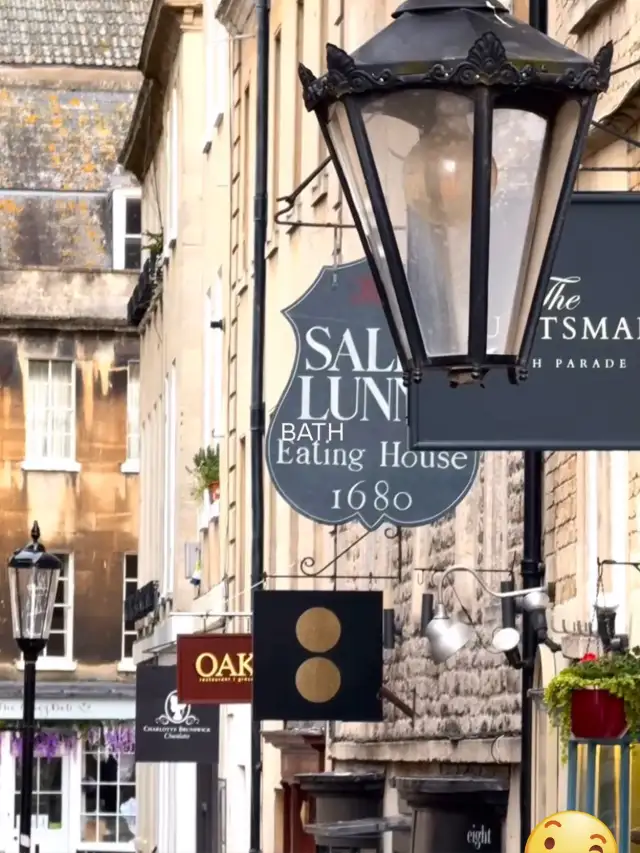
Bath is one of those cities that feels beautiful from almost every angle. 🇬🇧✨Famous for its Roman history, honey-coloured Georgian architecture and elegant streets, it’s one of the easiest places in England to spend a full day simply wandering. Start around the Roman Baths and Bath Abbey, then walk towards Pulteney Bridge and the River Avon for some of the prettiest views in the city. From there, explore the crescents, quiet side streets, independent cafés and historic buildings that make Bath feel so distinctive. What I love about Bath is how compact it is. You can see so much on foot, but the city still feels relaxed rather than rushed. Whether you’re visiting for the history, architecture, photography or just a beautiful UK day trip, Bath is one of those places that’s always worth coming back to. Would you visit Bath for a day or stay overnight? ✈️ #Bath #BathUK #VisitBath #VisitEngland #EnglandTravel #UKTravel #RomanBaths #PulteneyBridge #GeorgianArchitecture #Somerset #UKCityBreak #DayTripUK #HistoricEngland #TravelUK #easytravelMytravelerlife
- uk
- thingstodo
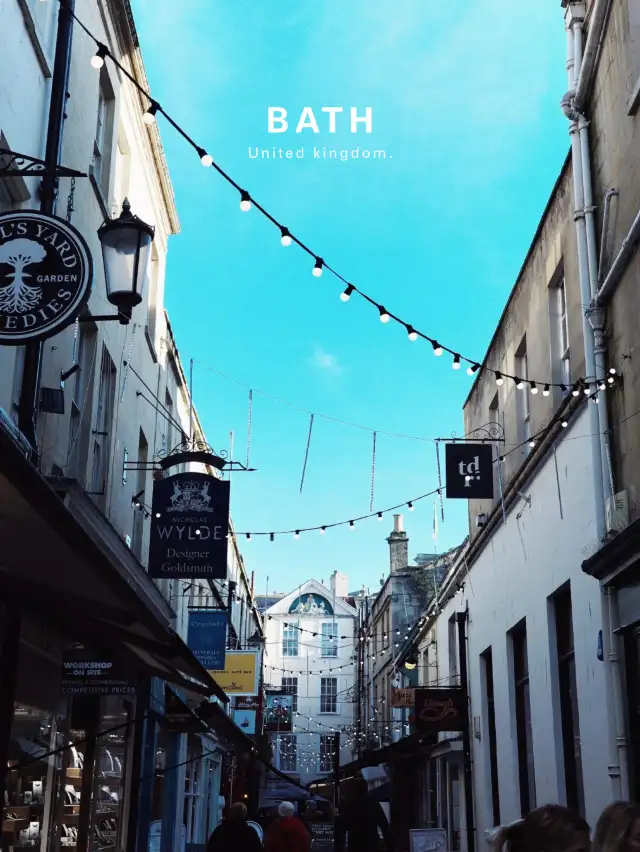
Bath, UK 🇬🇧— beyond the baths! ✨Who said you must visit the Roman Baths in Bath? Bath is a historic city which certainly has more beyond the baths! Here are 5 gems you can’t miss: 1. Sally Lunn’s Historic Eating House Tuck into the legendary Sally Lunn Bun at one of Bath’s oldest buildings dating back to 1482. It’s part tea house, part museum — and 100% worth the carbs. 2. The Royal Crescent This grand Georgian curve of terraced houses is Bath’s most iconic architectural landmark. Snap a photo, picnic on the lawn, or step inside No.1 Royal Crescent for a look at life in the 1700s. 3. Bath Abbey Soak in the spiritual and architectural beauty of this stunning Gothic church. For the best view in the city, climb the Abbey Tower — totally worth the steps! 4. Pulteney Bridge & Riverside Walk One of just a few bridges in the world with shops built into it. Grab a coffee and enjoy the view of the weir, or take a peaceful riverside stroll. 5. Holburne Museum & Sydney Gardens A hidden gem! Discover fine art and historic treasures in a gorgeous setting — and step into one of Jane Austen’s favourite green spaces right behind it. Would you visit Bath without visiting the Roman Bath? Leave a comment let me know! #uk #thingstodoAwayfromhome_kong11
- bath
- uk
- uktrip
- europe
- eurotrip
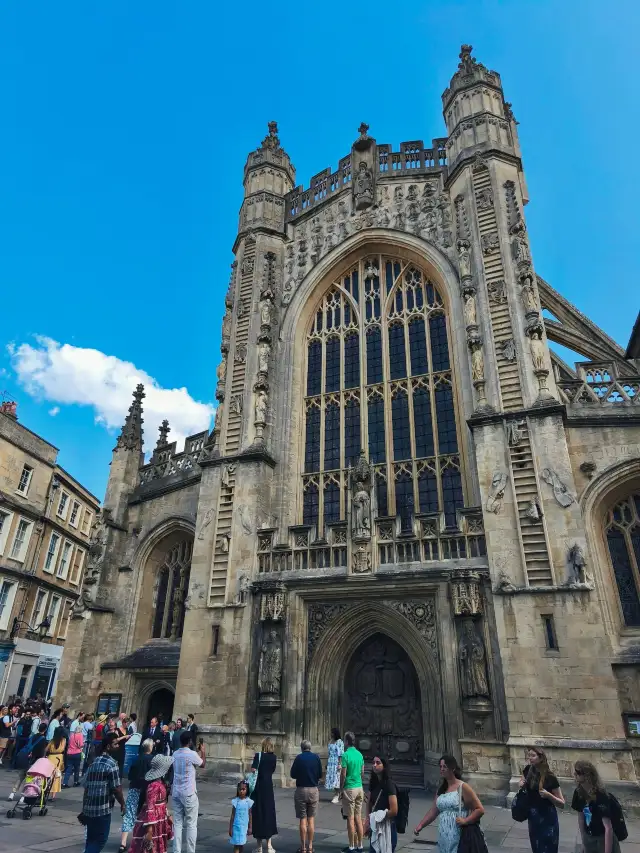
Ultimate Guide to visit BathYou can reach the city by train from Bristol or London. What to do: The Roman Baths are the most iconic landmark in the city of Bath. In 70 AD, after discovering natural hot springs, the Romans built these magnificent baths and a temple—which explains the origin of the city's name. For centuries, they lay buried beneath the city, but in 1878, they were rediscovered and excavated. Admission is £33 on weekends and £29 on weekdays. Directly across the street from the Roman Baths stands the majestic, Gothic-style Bath Abbey. As you approach the grand doors of the west front, you will see the famous "Jacob’s Ladders" flanking the colossal entrance. Take a moment to observe the intricately carved angels ascending to heaven and descending to earth along these ladders. Step through the doors to purchase your tickets, then take in the beauty of the vaulted ceiling. Admission is £9. Just around the corner from Bath Abbey lies the Georgian-era Pulteney Bridge. Built in 1770, this bridge is a magnificent example of the Romantic style and engineering prowess; its classical design reflects the influence of elegant structures from Rome and Greece. Note the bridge’s symmetry, its large central window, and the clean lines characteristic of Georgian-style facades. The construction of Pulteney Bridge cost £10,000—an amount equivalent to millions of pounds today. It is one of only four bridges in the world that feature shops and restaurants built directly onto them. Head north along Gay Street until you reach The Circus. This complex consists of three curved, historic Georgian townhouses that form a magnificent ring. At its center lies a green lawn shaded by trees over two hundred years old. These Grade I listed buildings were designed by the legendary Bath architect John Wood the Elder. Inspired by the Roman Colosseum, the facade of The Circus is adorned with Doric, Roman, and Corinthian columns, as well as intricately carved stone details—wreaths, acorns, maritime symbols, Masonic emblems, flowers, birds, and faces. Many famous actors, artists, and celebrities have lived here, including Hollywood star Nicolas Cage. Stroll toward the center of Bath along Great Pulteney Street, a grand boulevard laid out in 1789. The street is lined with Georgian-style facades—a clever architectural technique used to ensure a uniform appearance from the front. However, the individual plots of land were purchased by different people, who were then free to design and build their homes according to their own tastes; this explains the architectural variety visible from the rear of the buildings. Boat cruise: You can take a boat trip starting from Pulteney Bridge; the cost is £15. Near Pulteney Bridge, along the riverbank, lie the Parade Gardens—two and a half acres of delightful grounds. Originally established in 1709, the park served as a pleasure garden, accessible to the public for a small fee. Impeccable lawns, beautiful flower beds, and a shaded avenue were laid out in the early 18th century to attract fashionable visitors to Bath. Today, the park features a 19th-century domed ticket office, a circular path with the same diameter as Stonehenge, various monuments, Tuscan-style columns, an octagonal 19th-century bandstand, and stunning views of the River Avon. It is open from April to September. Leave the Parade Gardens and head north to visit the Victoria Art Gallery, located next to Pulteney Bridge. Admission to the permanent collection is free. The gallery houses 1,500 British paintings dating from the 17th century onwards, as well as sculptures, glassware, and marble busts. This small yet grand building—a Grade II listed historic structure—was built in 1897 and served as a public library until 1990. Alexandra Park, which spans 11 acres, was opened in 1902 in honor of Queen Alexandra and to mark the coronation of King Edward VII. This public park is free to enter and offers a wonderful vantage point with panoramic views of the city spread out below. #bath #uk #uktrip #europe #eurotripPsyfan

- travel
- bath
- bathuk
- daytripuk
A Relaxing Day Out in Bath 🏛️✨At the end of summer 2025, my family and I spent three nights in Bristol, including a day trip to Bath. We took it easy, strolling around and exploring at our own pace. Bath is quite small, so one full day is enough to see the main attractions. I highly recommend visiting the Roman Baths. They offer free audio guides in multiple languages, which made our visit much more engaging and meaningful. Afterwards, we went to the famous Circus. Simply sitting quietly among the towering trees for a few minutes was so relaxing. Reading about the history of the buildings online added even more depth to the experience. Finally, don’t miss the shops and bakeries around the town. Bath is full of charming spots to wander and grab a treat. #travel #bath #bathuk #daytripukBuzzingtraveler3
 1 day trip in Bath🍁Starting off a chill morning with a breeze of autumn air in Bath. Bath in the fall is pure magic—the warm oranges, yellows, and browns of the changing leaves contrast so beautifully with the city’s iconic honey-colored Bath Stone buildings, making the whole vibe feel incredibly cozy and romantic. What made walking around town even more exciting was getting to trace the footsteps of Bridgerton! Since so many corners of the city were used as main filming locations, strolling past the classic squares and picturesque streets really felt like stepping straight into the show. And of course, the food was just as amazing as the views I had lunch at Solina, a famous fresh pasta spot you definitely shouldn't miss. The atmosphere inside is super warm and welcoming, and the pasta absolutely lived up to the hype. Wrapped up the day with a delicious Korean feast for dinner. The bold, authentic flavors and perfect dishes were just what I needed to recharge after a full day of exploring. It was such a simple yet unforgettable day filled with gorgeous nature, stunning architecture, iconic film vibes, and incredible food from start to finish!Sarawaleer3


- bathengland
- londontrip
- londonengland
- unitedkingdom
- mytravelwrap
- sightseeing
let’s take a day trip to Bath 🇬🇧✨🛁 my favorite town only ~1 hour away from London!! @pigletinbed @hiddenstorebath @gailsbakery @sallylunnsbath @bridgertonnetflix @romanbathsuk @priorparkbath @gwruk @nandosuk #bathengland #londontrip #londonengland #unitedkingdom #mytravelwrapDeekkkci59
- tripcom
- tripcomcommunity
- luxurytravel
- visitbath
- autumnvibes
- historicarchitecture
- wanderlust
- travelinfluencer
- exploretheworld
- fallfoliage
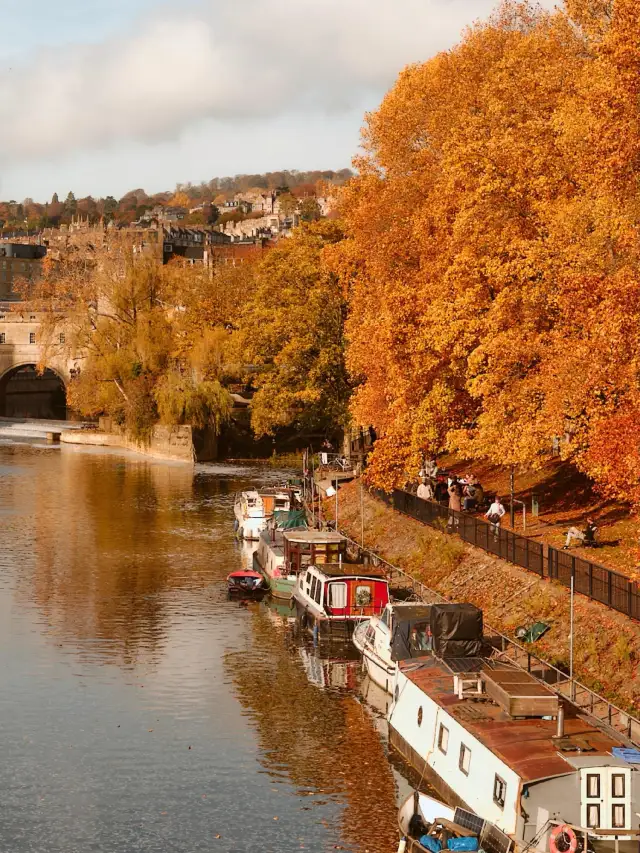
Historic Autumn Cities & Golden Rivers! 🍂✨✨ Historic autumn cities, golden riverside trees & classic architecture: Experiencing Bath! 🍂🏛️🇬🇧 There is an undeniable, mesmerizing magic to world-class historical destinations like Bath, where vibrant autumn foliage meets grand Georgian architecture, calm river waterways, and ivy-clad historic facades. Every single perspective feels like stepping straight into a living masterpiece! Highlights from this unforgettable journey: 🍂 Framing magnificent historic Georgian crescents through a natural canopy of fiery autumn leaves[span_4](start_span)[span_4](end_span). 🛶 Strolling along peaceful riverbanks lined with brilliant golden trees and charming moored houseboats[span_5](start_span)[span_5](end_span). 🌉 Capturing scenic views of historic stone bridges and tranquil waters reflecting seasonal woodland colors[span_6](start_span)[span_6](end_span). 🏡 Exploring elegant classical townhouses entirely blanketed in stunning, vibrant red autumn ivy[span_7](start_span)[span_7](end_span). Luxury travel offers the ultimate blend of cultural discovery, heritage architecture, and serene seasonal elegance. Thanks to Trip.com, booking boutique heritage stays, seamless travel connections, and unforgettable global escapes has been an absolute breeze! ✈️🏨 Have you ever explored the majestic historic architecture and autumn charm of British heritage cities? Let me know below! 👇 #TripCom #TripComCommunity #LuxuryTravel #VisitBath #AutumnVibes #HistoricArchitecture #Wanderlust #TravelInfluencer #ExploreTheWorldRQITA
- bath
- bathuk
- visitbath
- englandtravel
- unitedkingdom
- romanbaths
- royalcrescent
- pulteneybridge
- uktravel
- tripcom
- architecturetravel
- sightseeing
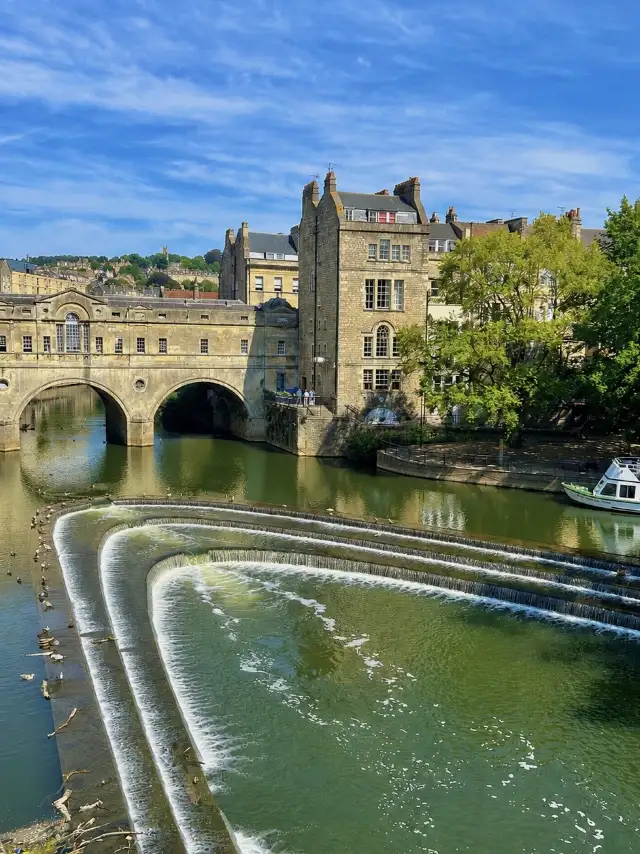
🇬🇧 Bath, UK | Where History Meets Timeless Beauty 🏛️✨Stepping into Bath feels like walking through a living piece of British history. With elegant Georgian architecture, ancient Roman heritage and charming streets, this UNESCO World Heritage city is one of England’s most beautiful destinations. 💛 Explore the remarkable Roman Baths, admire the graceful curve of the Royal Crescent, and stroll across the iconic Pulteney Bridge above the River Avon. 🌿🏛️ From honey-colored stone buildings to peaceful riverside views, Bath has a unique charm that blends ancient history with refined elegance. ✨ 🏛️ Bath highlights: ♨️ Historic Roman Baths 🏘️ Georgian architecture 🌙 Royal Crescent 🌉 Pulteney Bridge 🌿 Beautiful riverside scenery ☕ Charming streets & cafés Bath is proof that some cities don’t simply preserve history — they make you feel part of it. 🇬🇧✨ 📍 Bath, England, United Kingdom #Bath #BathUK #VisitBath #EnglandTravel #UnitedKingdom #RomanBaths #RoyalCrescent #PulteneyBridge #UKTravel #TripcomAbir195
- bathtrip
- bathspa
- romantic
🏛️ Bath: A City That Feels Like Walking Through HistorySome cities impress you with their attractions. Bath charms you with its atmosphere. With its beautiful honey-coloured stone buildings, elegant Georgian architecture, and peaceful streets, Bath feels like stepping into another era while still having the warmth and energy of a modern city. ✨ What I Loved Most Simply walking around Bath. Every corner feels special—from grand historic buildings to quiet streets filled with independent shops, cafés, and beautiful architecture. It’s the kind of city where you don’t need a strict itinerary; exploring is the experience. 🏛️ Things to Explore • Visit the famous Roman Baths and discover the city’s fascinating history • Admire the stunning architecture around the Royal Crescent • Walk through the charming streets of the city centre • Relax by the River Avon and enjoy the peaceful views • Explore Bath Abbey and the beautiful surrounding area 📸 Favourite Photo Spots • The elegant curve of the Royal Crescent • Bath Abbey standing proudly among the historic streets • The honey-coloured stone buildings throughout the city • Pulteney Bridge over the River Avon • Quiet streets filled with Georgian architecture ☕ Enjoy the Café Culture One of my favourite things about Bath is taking a slow break after exploring. Find a cosy café, enjoy a coffee and a sweet treat, and watch people walk through the beautiful historic streets. The city has such a relaxed and elegant atmosphere. 🌿 A Peaceful Escape For a quieter experience, take a walk around the city’s green spaces or visit nearby spots like Prior Park Landscape Garden, where you can enjoy beautiful views and a slower pace away from the crowds. 💡 Tips for Visiting • Wear comfortable shoes—Bath is best explored on foot. • Visit early in the morning for quieter streets and better photos. • Look up while walking; many of the most beautiful details are above street level. • Book popular attractions in advance, especially during weekends. • Allow time to explore beyond the main landmarks—the hidden streets are often the most charming. ✨ Bath is more than just a historic city; it’s a place to slow down and appreciate beautiful surroundings, fascinating stories, and timeless architecture. Whether you’re admiring the Roman history, wandering through Georgian streets, or enjoying a quiet moment by the river, Bath has a way of making every visit feel special. 🏛️💛 #bathtrip #bathspa #romanticLinnie_ng38
Surrounding area map of Bath
Restaurants near Bath
Show more


Bath Photos: Trip Moments
- bathengland
- englandtravel
- romanbaths
- bathabbey
- royalcrescent
- pulteneybridge
- georgianarchitecture
- historicengland
- uktravel
- triptravel
🇬🇧 Bath, England | A Beautiful Historic City of Roman Baths and Georgian Architecture 🏛️Bath is one of England's most elegant historic cities, famous for its Roman heritage, honey-coloured stone buildings and beautiful Georgian architecture. Its compact centre and distinctive atmosphere make it a wonderful destination for a relaxing city break. 🏛️ Must-Visit Attractions 💡 The Roman Baths The city's most famous attraction, the Roman Baths preserve the remains of an ancient bathing complex built around natural hot springs. The museum offers an insight into how people used the site nearly 2,000 years ago. 💡 Bath Abbey Located beside the Roman Baths, Bath Abbey is known for its impressive Gothic architecture and beautiful stained-glass windows. 💡 Royal Crescent This sweeping row of Georgian townhouses is one of Bath's most iconic architectural landmarks. Its curved façade and green lawn create a beautiful scene. 💡 The Circus Another example of Bath's distinctive Georgian architecture, The Circus consists of elegant curved buildings arranged around a circular space. 💡 Pulteney Bridge This historic bridge crosses the River Avon and is lined with shops, making it one of the city's most recognisable landmarks. ✈️ Travel Tips * Bath is easily reached by train from London, with journey times typically around 1.5 hours. * Most central attractions are within walking distance. * Book Roman Baths tickets ahead during busy periods. * Allow at least one full day, although an overnight stay makes the visit more relaxed. Bath is a destination where Roman history and Georgian elegance come together beautifully. It is an excellent choice for travellers who enjoy architecture, heritage and charming English streets. #BathEngland #EnglandTravel #RomanBaths #BathAbbey #RoyalCrescent #PulteneyBridge #GeorgianArchitecture #HistoricEngland #UKTravel #TripTravelChloe@@- bathengland
- visitbath
- englandtravel
- uktravel
- bathtravel
- romanbaths
- pulteneybridge
- royalcrescent
- traveltips
- tripcom
- travelcommunity
- travelexperience
- daytrips
🏛️✨ My Day in Bath, England 🇬🇧 | Travel Experience & Helpful Tips Bath was one of the places I really enjoyed visiting during my England trip. The city has such a different atmosphere from London — beautiful Georgian architecture, charming streets, historic buildings, and plenty of places to explore on foot. 🤍 📍 What I enjoyed visiting: 🏛️ Roman Baths – A fascinating place to learn about Bath’s Roman history. Give yourself enough time to walk through the different sections and read the displays. ⛪ Bath Abbey – Beautiful architecture and right in the heart of the city. 🌉 Pulteney Bridge – One of the most photogenic spots in Bath, especially from the riverside. 🌿 Royal Crescent – A lovely place to walk around and admire Bath’s famous Georgian architecture. 🚶 Bath city centre – Very enjoyable to explore on foot, with cafés, shops and historic streets along the way. 💡 Tips from my visit: 👟 Wear comfortable shoes — Bath is best explored by walking. 🎟️ If you want to visit the Roman Baths, check opening times and ticket availability before your trip. 📸 Visit the main landmarks at different times of day if you want different photo opportunities. ☕ Leave some time to sit in a café and enjoy the atmosphere instead of rushing between attractions. 🗺️ Bath’s main sights are relatively close together, so a well-planned day can cover quite a lot without needing a car. 🚆 If you’re coming from London, check the train timetable in advance and plan your return journey, especially if you’re doing Bath as a day trip. ❤️ My overall experience: What I loved most about Bath was how easy it was to combine history, architecture, beautiful streets and a relaxed atmosphere in one visit. It felt like a place where I could slow down and enjoy the journey rather than simply checking attractions off a list. 📸 If you’re planning an England trip, I’d definitely keep Bath on your itinerary. Save this post for your planning and I hope you enjoy Bath as much as I did! 🇬🇧✨ #BathEngland #VisitBath #EnglandTravel #UKTravel #BathTravel #RomanBaths #PulteneyBridge #RoyalCrescent #TravelTips #Tripcom #TravelCommunity #TravelExperiencePratik_Patel4- luxurylifestyle
- forestretreat
- luxurytravel
- luxurystays
Luxury Lifestyle Forest Retreat: Arch Treehouse, Bath, Pool & Deck! 🌲✨🏡There is nothing quite like living a true luxury lifestyle inside a sculptural wood-and-glass forest retreat where arched pods, sunlit decks, soaking tubs, indoor water features, and misty woodland views come together in serene nature. Because this ten-photo gallery brings together an arched two-level treehouse with stairs and a lower deck, a glass-fronted bedroom and tub facing forest trunks, a curved two-story pod with a round hot tub, a tall arched bedroom with slatted walls and a tub, a vaulted woodland suite with a round window, a sculptural bedroom with glowing niches and skylight, a forest bath with a vessel sink and tub, a skylight bedroom with a reflective floor pool, a dark-roofed arch cabin with a lower deck, and an oval pod above a railed terrace, naming each space clearly in a clean English Trip.com caption makes it easy for readers to explore and save effortlessly. ✨ Highlights from this luxury lifestyle forest retreat set: * Two-Level Arch Pod, Stairs & Deck: A curved wood-and-glass cabin with an upper bedroom, lantern lights, stairs, and a lower seating-and-tub deck rises among misty trees. * Forest-View Tub, Platform Bed & Shelves: A freestanding tub, low round bed with under-glow, pendant lamps, and lit shelves face tall misty forest trunks. * Curved Pod, Hot Tub & Lounge Terrace: An upper glass lounge sits above a circular hot tub, outdoor dining set, and railed deck nestled in tree branches. * Slatted Wall, Niche Shelves & Tub: Tall arched glass, hanging lights, a soaking tub, and lit wall niches frame a cozy bed amid lush green foliage. * Vaulted Cabin, Round Window & Lounge: Curved timber ribs, warm pendant lamps, and a large round window overlook a railed terrace and misty woodland. * Sculptural Openings, Skylight & Cozy Bed: Organic curved wood walls, glowing niches, a round skylight, and a plush bed create a dreamy forest sanctuary. * Forest Bath, Vessel Sink & Mirror: A freestanding tub, round rug, lit mirror, and vessel sink sit beside floor-to-ceiling glass and a tree trunk. * Skylight Suite, Bed & Reflective Pool: A circular skylight with greenery and a dark reflective floor pool sit beside a platform bed and arched glass. * Dark-Roofed Arch Cabin & Lower Deck: A curved dark roof and glass arch house a bedroom with glowing bulbs above a compact railed deck on the trunk. * Oval Pod, Hanging Lights & Railed Deck: A smooth curved pod with glass windows hangs above a round railed deck and glowing suspended lanterns in the mist. Save this luxury lifestyle forest retreat inspiration for your next trip and plan your stays and routes effortlessly on Trip.com! ✈️🌍 #LuxuryLifestyle #ForestRetreat #LuxuryTravelRQITA2- bath
- bathuk
- visitbath
- visitengland
- englandtravel
- uktravel
- romanbaths
- pulteneybridge
- georgianarchitecture
- somerset
- ukcitybreak
- daytripuk
- historicengland
- traveluk
- easytravel
- daytrips
Bath is one of those cities that feels beautiful from almost every angle. 🇬🇧✨Famous for its Roman history, honey-coloured Georgian architecture and elegant streets, it’s one of the easiest places in England to spend a full day simply wandering. Start around the Roman Baths and Bath Abbey, then walk towards Pulteney Bridge and the River Avon for some of the prettiest views in the city. From there, explore the crescents, quiet side streets, independent cafés and historic buildings that make Bath feel so distinctive. What I love about Bath is how compact it is. You can see so much on foot, but the city still feels relaxed rather than rushed. Whether you’re visiting for the history, architecture, photography or just a beautiful UK day trip, Bath is one of those places that’s always worth coming back to. Would you visit Bath for a day or stay overnight? ✈️ #Bath #BathUK #VisitBath #VisitEngland #EnglandTravel #UKTravel #RomanBaths #PulteneyBridge #GeorgianArchitecture #Somerset #UKCityBreak #DayTripUK #HistoricEngland #TravelUK #easytravelMytravelerlife- uk
- thingstodo
Bath, UK 🇬🇧— beyond the baths! ✨Who said you must visit the Roman Baths in Bath? Bath is a historic city which certainly has more beyond the baths! Here are 5 gems you can’t miss: 1. Sally Lunn’s Historic Eating House Tuck into the legendary Sally Lunn Bun at one of Bath’s oldest buildings dating back to 1482. It’s part tea house, part museum — and 100% worth the carbs. 2. The Royal Crescent This grand Georgian curve of terraced houses is Bath’s most iconic architectural landmark. Snap a photo, picnic on the lawn, or step inside No.1 Royal Crescent for a look at life in the 1700s. 3. Bath Abbey Soak in the spiritual and architectural beauty of this stunning Gothic church. For the best view in the city, climb the Abbey Tower — totally worth the steps! 4. Pulteney Bridge & Riverside Walk One of just a few bridges in the world with shops built into it. Grab a coffee and enjoy the view of the weir, or take a peaceful riverside stroll. 5. Holburne Museum & Sydney Gardens A hidden gem! Discover fine art and historic treasures in a gorgeous setting — and step into one of Jane Austen’s favourite green spaces right behind it. Would you visit Bath without visiting the Roman Bath? Leave a comment let me know! #uk #thingstodoAwayfromhome_kong11- bath
- uk
- uktrip
- europe
- eurotrip
Ultimate Guide to visit BathYou can reach the city by train from Bristol or London. What to do: The Roman Baths are the most iconic landmark in the city of Bath. In 70 AD, after discovering natural hot springs, the Romans built these magnificent baths and a temple—which explains the origin of the city's name. For centuries, they lay buried beneath the city, but in 1878, they were rediscovered and excavated. Admission is £33 on weekends and £29 on weekdays. Directly across the street from the Roman Baths stands the majestic, Gothic-style Bath Abbey. As you approach the grand doors of the west front, you will see the famous "Jacob’s Ladders" flanking the colossal entrance. Take a moment to observe the intricately carved angels ascending to heaven and descending to earth along these ladders. Step through the doors to purchase your tickets, then take in the beauty of the vaulted ceiling. Admission is £9. Just around the corner from Bath Abbey lies the Georgian-era Pulteney Bridge. Built in 1770, this bridge is a magnificent example of the Romantic style and engineering prowess; its classical design reflects the influence of elegant structures from Rome and Greece. Note the bridge’s symmetry, its large central window, and the clean lines characteristic of Georgian-style facades. The construction of Pulteney Bridge cost £10,000—an amount equivalent to millions of pounds today. It is one of only four bridges in the world that feature shops and restaurants built directly onto them. Head north along Gay Street until you reach The Circus. This complex consists of three curved, historic Georgian townhouses that form a magnificent ring. At its center lies a green lawn shaded by trees over two hundred years old. These Grade I listed buildings were designed by the legendary Bath architect John Wood the Elder. Inspired by the Roman Colosseum, the facade of The Circus is adorned with Doric, Roman, and Corinthian columns, as well as intricately carved stone details—wreaths, acorns, maritime symbols, Masonic emblems, flowers, birds, and faces. Many famous actors, artists, and celebrities have lived here, including Hollywood star Nicolas Cage. Stroll toward the center of Bath along Great Pulteney Street, a grand boulevard laid out in 1789. The street is lined with Georgian-style facades—a clever architectural technique used to ensure a uniform appearance from the front. However, the individual plots of land were purchased by different people, who were then free to design and build their homes according to their own tastes; this explains the architectural variety visible from the rear of the buildings. Boat cruise: You can take a boat trip starting from Pulteney Bridge; the cost is £15. Near Pulteney Bridge, along the riverbank, lie the Parade Gardens—two and a half acres of delightful grounds. Originally established in 1709, the park served as a pleasure garden, accessible to the public for a small fee. Impeccable lawns, beautiful flower beds, and a shaded avenue were laid out in the early 18th century to attract fashionable visitors to Bath. Today, the park features a 19th-century domed ticket office, a circular path with the same diameter as Stonehenge, various monuments, Tuscan-style columns, an octagonal 19th-century bandstand, and stunning views of the River Avon. It is open from April to September. Leave the Parade Gardens and head north to visit the Victoria Art Gallery, located next to Pulteney Bridge. Admission to the permanent collection is free. The gallery houses 1,500 British paintings dating from the 17th century onwards, as well as sculptures, glassware, and marble busts. This small yet grand building—a Grade II listed historic structure—was built in 1897 and served as a public library until 1990. Alexandra Park, which spans 11 acres, was opened in 1902 in honor of Queen Alexandra and to mark the coronation of King Edward VII. This public park is free to enter and offers a wonderful vantage point with panoramic views of the city spread out below. #bath #uk #uktrip #europe #eurotripPsyfan- travel
- bath
- bathuk
- daytripuk
A Relaxing Day Out in Bath 🏛️✨At the end of summer 2025, my family and I spent three nights in Bristol, including a day trip to Bath. We took it easy, strolling around and exploring at our own pace. Bath is quite small, so one full day is enough to see the main attractions. I highly recommend visiting the Roman Baths. They offer free audio guides in multiple languages, which made our visit much more engaging and meaningful. Afterwards, we went to the famous Circus. Simply sitting quietly among the towering trees for a few minutes was so relaxing. Reading about the history of the buildings online added even more depth to the experience. Finally, don’t miss the shops and bakeries around the town. Bath is full of charming spots to wander and grab a treat. #travel #bath #bathuk #daytripukBuzzingtraveler3- 1 day trip in Bath🍁Starting off a chill morning with a breeze of autumn air in Bath. Bath in the fall is pure magic—the warm oranges, yellows, and browns of the changing leaves contrast so beautifully with the city’s iconic honey-colored Bath Stone buildings, making the whole vibe feel incredibly cozy and romantic. What made walking around town even more exciting was getting to trace the footsteps of Bridgerton! Since so many corners of the city were used as main filming locations, strolling past the classic squares and picturesque streets really felt like stepping straight into the show. And of course, the food was just as amazing as the views I had lunch at Solina, a famous fresh pasta spot you definitely shouldn't miss. The atmosphere inside is super warm and welcoming, and the pasta absolutely lived up to the hype. Wrapped up the day with a delicious Korean feast for dinner. The bold, authentic flavors and perfect dishes were just what I needed to recharge after a full day of exploring. It was such a simple yet unforgettable day filled with gorgeous nature, stunning architecture, iconic film vibes, and incredible food from start to finish!Sarawaleer3
- bathengland
- londontrip
- londonengland
- unitedkingdom
- mytravelwrap
- sightseeing
let’s take a day trip to Bath 🇬🇧✨🛁 my favorite town only ~1 hour away from London!! @pigletinbed @hiddenstorebath @gailsbakery @sallylunnsbath @bridgertonnetflix @romanbathsuk @priorparkbath @gwruk @nandosuk #bathengland #londontrip #londonengland #unitedkingdom #mytravelwrapDeekkkci59- tripcom
- tripcomcommunity
- luxurytravel
- visitbath
- autumnvibes
- historicarchitecture
- wanderlust
- travelinfluencer
- exploretheworld
- fallfoliage
Historic Autumn Cities & Golden Rivers! 🍂✨✨ Historic autumn cities, golden riverside trees & classic architecture: Experiencing Bath! 🍂🏛️🇬🇧 There is an undeniable, mesmerizing magic to world-class historical destinations like Bath, where vibrant autumn foliage meets grand Georgian architecture, calm river waterways, and ivy-clad historic facades. Every single perspective feels like stepping straight into a living masterpiece! Highlights from this unforgettable journey: 🍂 Framing magnificent historic Georgian crescents through a natural canopy of fiery autumn leaves[span_4](start_span)[span_4](end_span). 🛶 Strolling along peaceful riverbanks lined with brilliant golden trees and charming moored houseboats[span_5](start_span)[span_5](end_span). 🌉 Capturing scenic views of historic stone bridges and tranquil waters reflecting seasonal woodland colors[span_6](start_span)[span_6](end_span). 🏡 Exploring elegant classical townhouses entirely blanketed in stunning, vibrant red autumn ivy[span_7](start_span)[span_7](end_span). Luxury travel offers the ultimate blend of cultural discovery, heritage architecture, and serene seasonal elegance. Thanks to Trip.com, booking boutique heritage stays, seamless travel connections, and unforgettable global escapes has been an absolute breeze! ✈️🏨 Have you ever explored the majestic historic architecture and autumn charm of British heritage cities? Let me know below! 👇 #TripCom #TripComCommunity #LuxuryTravel #VisitBath #AutumnVibes #HistoricArchitecture #Wanderlust #TravelInfluencer #ExploreTheWorldRQITA- bath
- bathuk
- visitbath
- englandtravel
- unitedkingdom
- romanbaths
- royalcrescent
- pulteneybridge
- uktravel
- tripcom
- architecturetravel
- sightseeing
🇬🇧 Bath, UK | Where History Meets Timeless Beauty 🏛️✨Stepping into Bath feels like walking through a living piece of British history. With elegant Georgian architecture, ancient Roman heritage and charming streets, this UNESCO World Heritage city is one of England’s most beautiful destinations. 💛 Explore the remarkable Roman Baths, admire the graceful curve of the Royal Crescent, and stroll across the iconic Pulteney Bridge above the River Avon. 🌿🏛️ From honey-colored stone buildings to peaceful riverside views, Bath has a unique charm that blends ancient history with refined elegance. ✨ 🏛️ Bath highlights: ♨️ Historic Roman Baths 🏘️ Georgian architecture 🌙 Royal Crescent 🌉 Pulteney Bridge 🌿 Beautiful riverside scenery ☕ Charming streets & cafés Bath is proof that some cities don’t simply preserve history — they make you feel part of it. 🇬🇧✨ 📍 Bath, England, United Kingdom #Bath #BathUK #VisitBath #EnglandTravel #UnitedKingdom #RomanBaths #RoyalCrescent #PulteneyBridge #UKTravel #TripcomAbir195- bathtrip
- bathspa
- romantic
🏛️ Bath: A City That Feels Like Walking Through HistorySome cities impress you with their attractions. Bath charms you with its atmosphere. With its beautiful honey-coloured stone buildings, elegant Georgian architecture, and peaceful streets, Bath feels like stepping into another era while still having the warmth and energy of a modern city. ✨ What I Loved Most Simply walking around Bath. Every corner feels special—from grand historic buildings to quiet streets filled with independent shops, cafés, and beautiful architecture. It’s the kind of city where you don’t need a strict itinerary; exploring is the experience. 🏛️ Things to Explore • Visit the famous Roman Baths and discover the city’s fascinating history • Admire the stunning architecture around the Royal Crescent • Walk through the charming streets of the city centre • Relax by the River Avon and enjoy the peaceful views • Explore Bath Abbey and the beautiful surrounding area 📸 Favourite Photo Spots • The elegant curve of the Royal Crescent • Bath Abbey standing proudly among the historic streets • The honey-coloured stone buildings throughout the city • Pulteney Bridge over the River Avon • Quiet streets filled with Georgian architecture ☕ Enjoy the Café Culture One of my favourite things about Bath is taking a slow break after exploring. Find a cosy café, enjoy a coffee and a sweet treat, and watch people walk through the beautiful historic streets. The city has such a relaxed and elegant atmosphere. 🌿 A Peaceful Escape For a quieter experience, take a walk around the city’s green spaces or visit nearby spots like Prior Park Landscape Garden, where you can enjoy beautiful views and a slower pace away from the crowds. 💡 Tips for Visiting • Wear comfortable shoes—Bath is best explored on foot. • Visit early in the morning for quieter streets and better photos. • Look up while walking; many of the most beautiful details are above street level. • Book popular attractions in advance, especially during weekends. • Allow time to explore beyond the main landmarks—the hidden streets are often the most charming. ✨ Bath is more than just a historic city; it’s a place to slow down and appreciate beautiful surroundings, fascinating stories, and timeless architecture. Whether you’re admiring the Roman history, wandering through Georgian streets, or enjoying a quiet moment by the river, Bath has a way of making every visit feel special. 🏛️💛 #bathtrip #bathspa #romanticLinnie_ng38
Trip.com picks
Popular Destinations
Things to do in ShanghaiThings to do in BeijingThings to do in Hong KongThings to do in OsakaThings to do in ZhangjiajieThings to do in SingaporeThings to do in ChongqingThings to do in TokyoThings to do in GuangzhouThings to do in Xi'anThings to do in ChinaThings to do in JapanThings to do in ThailandThings to do in VietnamThings to do in South Korea
More recommendations
Popular Types of Attractions in Bath
Sightseeing tours | Night view | Boat tour | Sightseeing bus | Historical attractions | Cultural institutions | Themed exhibition halls | Planetariums | Museums | Nature and wildlife | Natural scenery | Beaches and shores | Climbing & viewpoints | Parks | Exhibitions & events | Leisure activities | Farms and pastures | Camping and campsites | Spa/massage | Outdoor activities | Climbing & viewpoints | Shooting | Cycling | Skybound experiences | Water sports
Popular Restaurants in Bath
Giggling Squid - Bath | Giraffe, Bath | Bathampton Mill Bath | The Black Fox | Lulu Coffee | Nata & Co | CASCARA | Robun | Olive Tree Restaurant | The Mint Room | Woods Restaurant | The Raven | Ring O Bells | The Pulteney Arms | Garrick's Head | Bill's Bath Restaurant | Miller & Carter Bath | Vellore Restaurant | All Bar One Bath | Clayton's Kitchen | The Canon | Swoon Gelato, Bath | Indian Temptation | East Meets West Chinese Restaurant / TAKEAWAY | The Botanist Bath | Bouvardia Restaurant Bath | Yak Yeti Yak | Chandos Deli | Panahar | Côte Bath
Recommended attractions at popular destinations
Popular Attractions in Bangkok | Popular Attractions in City of Manila | Popular Attractions in Tokyo | Popular Attractions in Taipei | Popular Attractions in Hong Kong | Popular Attractions in Seoul | Popular Attractions in Kuala Lumpur | Popular Attractions in Los Angeles | Popular Attractions in Shanghai | Popular Attractions in New York | Popular Attractions in Shenzhen | Popular Attractions in Osaka | Popular Attractions in Singapore | Popular Attractions in London | Popular Attractions in Guangzhou | Popular Attractions in San Francisco | Popular Attractions in Beijing | Popular Attractions in Macau | Popular Attractions in Bali | Popular Attractions in Jakarta | Popular Attractions in Paris | Popular Attractions in Ho Chi Minh City | Popular Attractions in Istanbul | Popular Attractions in Phuket | Popular Attractions in Chicago | Popular Attractions in Seattle | Popular Attractions in Toronto | Popular Attractions in Orlando | Popular Attractions in Cebu | Popular Attractions in Chiang Mai
Popular Ranked Lists
Popular Global Traveller-Picked Attractions in Kunshan | Top 20 Global Traveller-Picked Hotels in Wuhan | Top 50 Global Traveller-Picked Hotels in Hangzhou | Top 20 Global Traveller-Picked Restaurants in Hefei | Popular Luxury Hotels Near Woodstock | Top 20 Global Traveller-Picked Hotels in Fuzhou | Top 50 Global Traveller-Picked Hotels in Shenzhen | Popular Premium Hotels in Merricks North | Top 20 Global Traveller-Picked Hotels in Kunming | Popular Global Traveller-Picked Attractions in Zhangjiakou | Popular Premium Hotels in Guyana | Top 10 Global Traveller-Picked Attractions in Zhangye | Top 50 Global Traveller-Picked Hotels in Beijing | Top 50 Global Traveller-Picked Restaurants in Lijiang | Popular Premium Hotels in Durango | Popular Premium Hotels in Demerara-Mahaica | Top 20 Global Traveller-Picked Restaurants in Rizhao | Popular Premium Hotels in Horta | Top 20 Global Traveller-Picked Restaurants in Yining City | Top 20 Global Traveller-Picked Restaurants in Taiyuan | Popular Global Traveller-Picked Attractions in Songpan | Top 50 Global Traveller-Picked Restaurants in Wuhan | Top 20 Global Traveller-Picked Restaurants in Tengchong | Top 20 Global Traveller-Picked Hotels in Zhuhai | Popular Global Traveller-Picked Attractions in Daxin | Top 20 Global Traveller-Picked Restaurants in Xining | Popular Luxury Hotels Near Xcanatun | Top 20 Global Traveller-Picked Hotels in Xiamen | Popular Luxury Hotels Near Doral | Popular Global Traveller-Picked Attractions in Burqin
Popular Trip Moments
Bath: 3 Incredible Free Experiences In A City Of Georgian Elegance, Roman History And Beauty | Top-tier accommodation in Bath city center! Walk downstairs to visit all the historical attractions | 16 Dreamy Places in the UK That’ll Blow Your Mind (Beyond London!) 🇬🇧✨ | Ultimate Guide to visit Bath | UK – Bath: The only city in the UK that is a UNESCO World Heritage site in its entirety | An Ancient Pool in the Heart of England with Over 2,000 Years of History | How Far Can You Go from London in 5 Hours? 🚄🌍 Epic Euro Adventures Await! | Discover England - History, Culture & Unforgettable Adventures | Luxury Lifestyle Forest Retreat: Arch Treehouse, Bath, Pool & Deck! 🌲✨🏡 | The beauty of the UK is hidden in its countryside | Why Autumn is the Best Season to Explore Bath’s Historic Landscapes 🍁🇬🇧 | Stepping into a Period Drama: Autumn Magic at Prior Park in Bath 🍂🏛️ | UK attraction tier list | From King to Bronze, check off the best of Britain | 🇬🇧 ENGLAND | A Beginner’s Guide to Planning Your England Trip | 🚶 Your 3-DAY BATH SPA Walking Route Guide To Follow 3 days. One easy-to-follow map. 🗺️✨ | Exploring [Bath] | Keep this list of UK attractions handy to explore classic landmarks and hidden gems | Discovering the Roman Baths in Bath, England 🇬🇧 | 🏛️ A Wet Morning in an Old Spa Town – Bath’s Stone Streets in the Rain ☔✨ | 🏛️ Wet Cobblestones and Golden Stone – Bath After the Rain ☔💛 | ☔ Rain on Ancient Stone – A Quiet Morning Walk Through Bath 🏛️✨ | Historic Autumn Cities & Golden Rivers! 🍂✨ | ✨ Timeless British heritage & scenic riverside charm: Exploring the historic magic of Bath! 🏰🦢🌧️ | Don't rush straight to Bath! The Roman Baths at dusk are the real highlight | UK Town Pyramid Ranking: Visit by Level to Avoid Detours | 25 EPIC Day Trips from London by Train 🚆✨ (UK + Europe!) | Bath — Golden Streets & Timeless Elegance | 🇬🇧 Bath, England | A Beautiful Historic City of Roman Baths and Georgian Architecture 🏛️ | Bath, UK | An ancient Roman city built on hot springs | Bath Royal Crescent to Circus Walk, UK
More Things To Do in Bath
BritRail pass for all UK regions [Official agent/Free for children/Includes airport express/UK train tickets] | 1-day tour to Windsor Castle + The Roman Baths + Stonehenge in the UK | refundable 1 day in advance | BritRail pass for England (3 days/4 days/8 days/15 days/22 days/1 month) | Bath city hop-on hop-off sightseeing bus tour | 1-day tour to Stonehenge + The Roman Baths in Bath, UK | optional English/Chinese/German/French/Spanish guide | Stonehenge & Bath Day Tour from London including Admission | Windsor Castle + Bath + Stonehenge Day Tour from London [Chinese/English/Japanese Guided | Round-Trip] | Stonehenge + Bath 1-day tour|Sufficient tour duration|Multiple packages available | Windsor, Stonehenge and Bath Trip from London | Stonehenge and Bath Day Guided Tour from London | Windsor Castle + Stonehenge + The Roman Baths [round-trip from London | bookable for one person] | [Chinese or English optional] London round-trip Windsor Castle, Stonehenge, and Bath private charter 1-day tour | From London: Stonehenge and Bath Day Trip with Entry Ticket | [Chinese and English private charter optional] Bristol round-trip to Stonehenge and Bath 10-hour 1-day tour | 1-day tour to Windsor + Stonehenge + Bath | Classic England | Multiple packages optional | Oxford and Cotswolds Day Tour from the University of Oxford|Comfortable minivan | London: Stonehenge, Windsor, and Bath Day Trip by Bus | City Sightseeing Bath Hop-On Hop-Off Tour | London round-trip: The Roman Baths + Stonehenge + No. 1 Royal Crescent [Chinese/English private charter] | Stonehenge, Windsor Castle, and Bath from London | From Bath: Salisbury and the Jurassic Coast Small Group Tour | Bath: Prosecco Cruise Onboard Historic Royal Boat | Bath: Guided Walking Tour with Beer Tastings | Bath: City Walking Tour with Optional Roman Baths Entry | From Bath: Cotswolds and Oxford Full-Day Tour | From London: Stonehenge and Bath Full-Day Tour | Top Bath: Private guided tour with your mobile | From Bath: Cotswolds Villages Tour (Small Group) | London: Windsor Castle, Stonehenge, and Bath Day Trip | [Chinese and English private charter optional] Stonehenge, Bath, Lacock Abbey, Bristol round-trip
Some content is uploaded by users, and specific information is subject to actual conditions
Other visitors' reviews of Bath
Show More ReviewsA very historical town. The car shuttled through the streets and alleys of Bath, and it turned out that this is the hometown of "Jane Austen", the female writer who wrote "Pride and Prejudice". Simple, beautiful, leisurely, peaceful, elegant and quiet. It can only be said that it is difficult to describe its beauty. very nice. There are many tourists, but it is very orderly. The air is also very good. It felt nice to take a quiet walk.