Tongxin

Things to do in Tongxin

Search attractions or local attractions & tours
Search

Explore top experiences

Top 10 attractions in Tongxin

View all Attractions
The Chinese Workers' and Peasants' Red Army Xizheng Memorial Park

The Chinese Workers' and Peasants' Red Army Xizheng Memorial Park

3
4.8/5
42 reviews

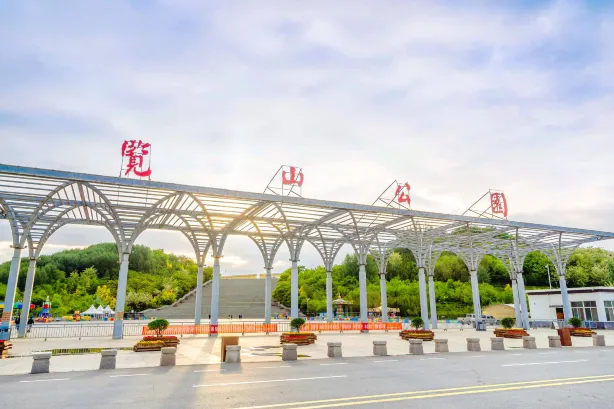
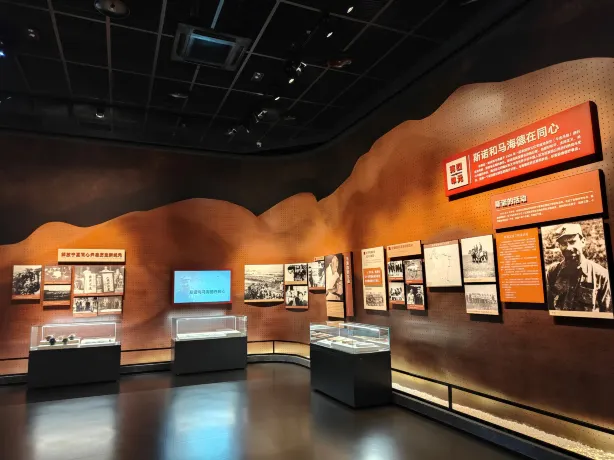
Tongxin County Red Army Westward Expedition Memorial Park is located in the southern suburbs of Tongxin County in central Ningxia, covering an area of ​​more than 336 acres. It is a memorial hall in China with the theme of the Red Army Westward Expedition. The Red Army Westward Expedition Memorial Hall is located in the middle of the memorial park. It was built in October 2006. With detailed historical documents, pictures and cultural relics, it reproduces the immortal achievements of the three main forces of the Red Army gathering in Tongxin and creating a precedent for ethnic regional autonomy. The Red Army Westward Expedition Memorial Hall, which serves as the main support, originally had a building area of ​​1,680 square meters and a main exhibition hall area of ​​537 square meters. The floor height of some exhibition halls is 6.5 meters, and the floor height of other parts is 4.2 meters. This renovation and upgrade is a one-story frame structure with a total building height of 10.15 meters. The total construction area is 2,589 square meters, of which 583 square meters are retained for the main structure and 2,006 square meters are newly built. The building's seismic fortification intensity is 8 degrees, the fire resistance level is level 2, the roof waterproof level is level II, and the building design service life is 50 years. Based on the principle of respecting history and reproducing history, this exhibition makes full use of diversified means of expression such as scene restoration, sculpture, oil painting, audio-visual multimedia technology to explain the five major contents of the prologue hall, the Red Army's westward march, the Red Second and Fourth Armies' Long March northward through Ningxia, inheriting the red gene, continuing the revolutionary spirit, and the tail hall. The prologue hall mainly tells the preface, the theme exhibition title "Historical Monument of the Westward March", the theme visual image and other contents. The first part: marching to the west. It mainly tells the historical background, process and brilliant achievements of the Red Army's westward march, the establishment of local party organizations and political power, and the implementation of the party's ethnic policies. The second part: the Red Second and Fourth Armies arrived in Ningxia during the Long March. It mainly tells the revolutionary historical sites, ruins and historical events of the Red Second and Fourth Armies' Long March northward through Ningxia. The third part: inheriting the red gene and continuing the revolutionary spirit. It mainly tells the glorious deeds of the older generation of proletarian revolutionaries in Tongxin, and the people of all ethnic groups in Tongxin continue the revolutionary spirit and work together in unity for prosperity and development. The tail hall. Create a theme film to illustrate how the people of all ethnic groups in Tongxin have united and worked together from the period of socialist construction to the new era to get rid of poverty and move towards prosperity. The city has a new look, and they are grateful to the Party, listen to the Party, and follow the Party.

Tongxin · 1.8km from downtown
Shapotou Scenic Area
No. 1 of Best Things to Do in Ningxia

Shapotou Scenic Area

8.4
4.8/5
39.3k reviews

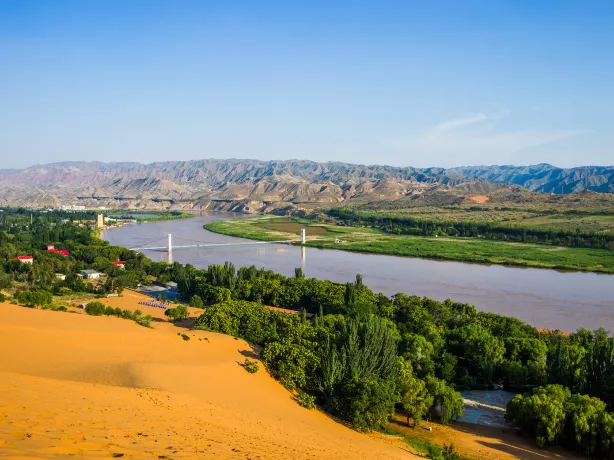
The scenic spot is located 16 kilometers west of Zhongwei City, Ningxia, on the southeastern edge of the Tengger Desert. The scenic spot has successively won honors such as "the first batch of national 5A-level tourist attractions", "the top 500 global environmental protection units", and "the first batch of national tourism standardization demonstration units". The three major cultural elements of the scenic area include the "Yellow River Culture" based on the intangible cultural heritage sheepskin rafts, the "Desert Culture" based on straw grids and Desert Legend Park, and the "Starry Sky Culture" based on the Desert Star Hotel. The tourism resources of these three elements have created a unique and magnificent landscape of "sunset over the long river and starry sky in the desert". The "six major ways to play" are highly praised and loved by tourists. Among them, the Yellow River projects include sheepskin rafting, Huangtengda, Yellow River speedboat, drift boat, passionate sandboarding and high-altitude bungee jumping, etc. The desert projects include Desert Camel, Desert Flying (Stepping into the Blue Clouds), and Sand Sea. Surfing, etc., starry sky projects include stargazing lectures, meteor feasts, sand therapy experiences, star cakes and other special products. In addition, there are also privately customized products for hiking, desert expansion, and educational and entertaining study experiences. The scenic area not only has diverse cultural elements and fun project experiences, but also multi-level accommodation experiences waiting for you: the butler-style Diamond Hotel, the quiet Desert Star Hotel for stargazing, the quiet Yellow River Courtyard in the bustling city, and finally the economical and affordable business-style Tourist Service Center Hotel and other differentiated tourist accommodations for you to choose from.

Zhongwei · 97.7km from Tongxin
Lanzhou Danxia Geological Park
No. 1 of Family-friendly Attractions in Gansu

Lanzhou Danxia Geological Park

8.1
4.5/5
3.7k reviews

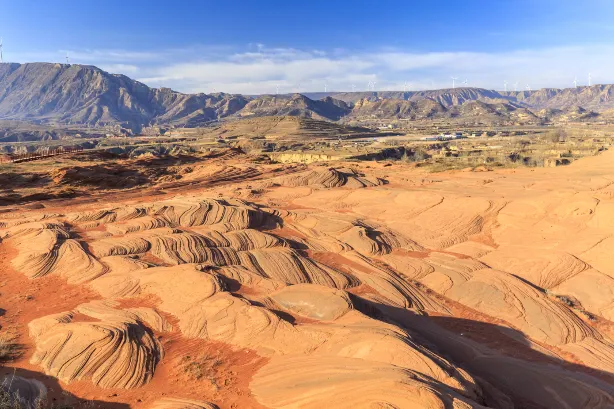
Lanzhou Danxia Geological Park is a key cultural tourism project in Gansu Province and a comprehensive cultural tourism initiative prioritized by the Lanzhou Municipal Committee and Government. Located by the Yellow River, the park is just 13 km from downtown Lanzhou and 30 km from Lanzhou Zhongchuan International Airport, making it one of the closest Danxia landform clusters to a major urban center in China. With a total planned area of 400 sq km and a core visiting area of 25 sq km in its first phase, it ranks among the largest discovered landscapes of its kind in the country. The park primarily features red mountain bay formations, along with spectacular Danxia cliffs, isolated peaks, secluded valleys, narrow gorges, and balancing rocks. Its colorful mountains set against winding waterways create a masterpiece of Danxia landform scenery. The attraction features seven viewing platforms showcasing the Danxia landforms: Silk Road Glow, Silk Road Eagle, Flying Apsaras Exploration, Nine-Colored Danxia, Danxia Reflecting Sky, Emerald Peaks Rippling Sky, and Danxia Summit Scenic View. It also includes the Ancient Silk Road Gateway, Shajing Tribe Cultural Square, Desert Bells Scenic Boulevard, and a 2,550m Danxia boardwalk viewing area. As a key cultural tourism project in the province, Lanzhou Danxia Geological Park adheres to the principles of "ecological protection, green development, preserving original features, and moderate development." Leveraging Lanzhou's unique resource advantages and focusing on the domestic tourism market, it aims to cultivate new growth drivers for Lanzhou's cultural tourism industry and establish a new highland for cultural tourism in the city.

China · Yongdeng
Xixia Imperial Tombs
No. 1 of Best Things to Do in Yinchuan

Xixia Imperial Tombs

7.8
4.6/5
9.2k reviews

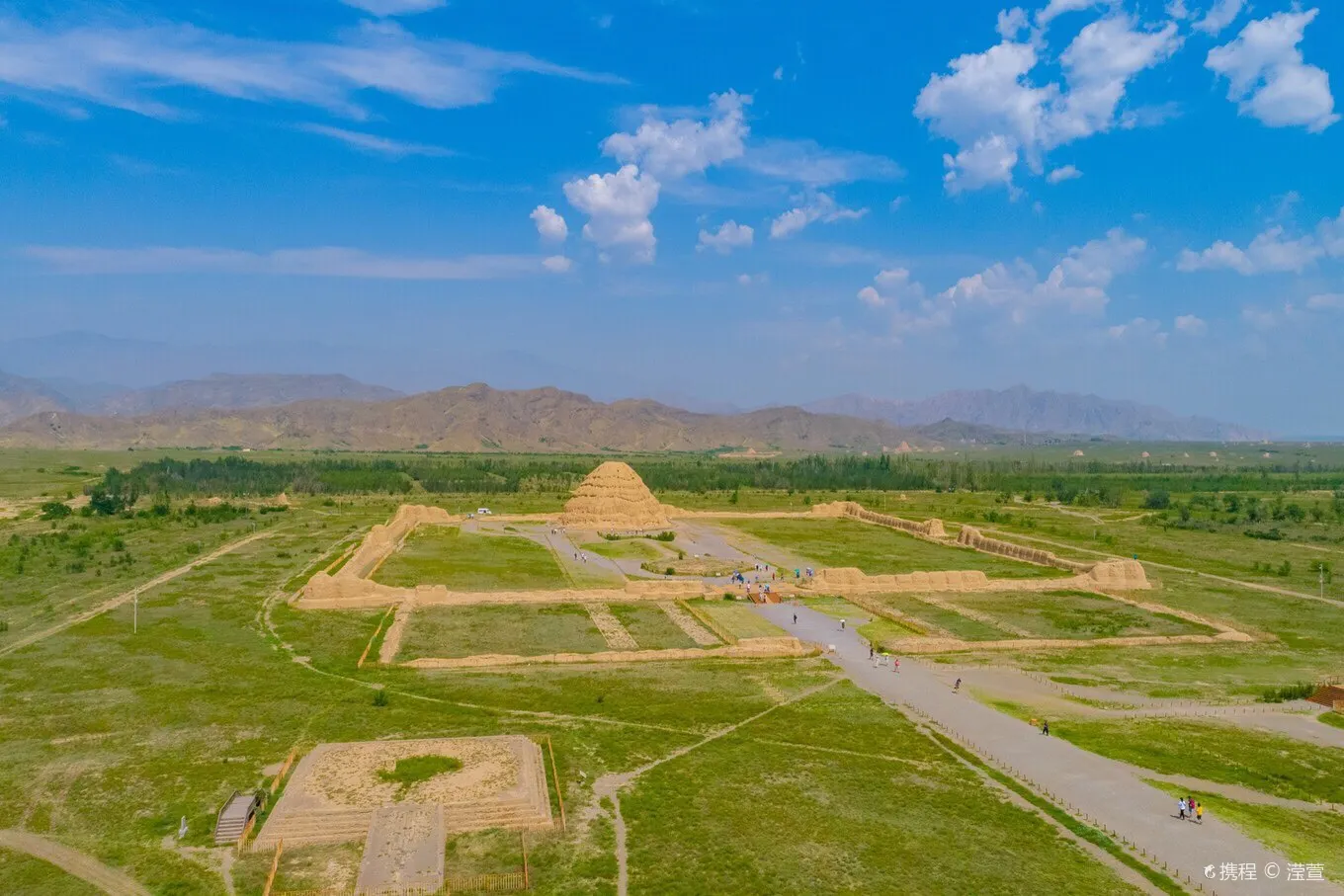
Xixia Imperial Tombs, located in the western suburbs of YinchuanHelan MountainsLocated at the foot of the mountain, it is the royal tomb complex of the Xixia dynasty, where several emperors of the Xixia dynasty were buried. The entire tomb area now contains 9 imperial tombs and about 270 satellite tombs, making it one of the largest royal tomb complexes in Chinese history. The shape of the tombs is different from that of other Chinese tombs, resembling an inverted steamed bun. In addition, the attraction also features facilities and venues such as the Xixia Imperial Tombs Museum, the Xixia Imperial Tombs - Xixia History and Art Gallery, and the Xixia Stele Forest, helping visitors understand the history and culture behind the tombs. The attraction currently has tomb no. 3 and others open for visitors. Tomb no. 3 (the "Tai Tomb" of Li Yuanhao, the founding emperor of Xixia) is relatively close to the Xixia Imperial Tombs - Xixia History and Art Museum and the Xixia Stele Forest. The Xixia dynasty was established by the Tangut people, whose writing and customs differed from those of the Han Chinese in the Central Plains. After the dynasty fell, the cities and history of Xixia mysteriously vanished into the Gobi Desert, becoming an enduring mystery of the ages, and were not discovered and deciphered until modern times. The Xixia Imperial Tombs Museum houses a rich collection of artifacts from the Xixia dynasty, among which many stone carvings in Xixia script and murals with Xixia style are treasures. The free guided tours inside the museum are also excellent, helping visitors understand the customs, culture, and rise and fall of the mysterious Xixia dynasty, and allowing for a more meaningful visit to the imperial tombs. On July 11, 2025, the Xixia Imperial Tombs were officially inscribed on the World Cultural Heritage List. Within the attraction, you can walk up close to visit the Haowang Tomb. The massive inverted semicircular mausoleum stands upon the barren land, bringing the weight of history vividly before your eyes, while in the distance theHelan MountainsThe foothills are crisscrossed by ravines and gullies, evoking a sense of desolate grandeur and the vicissitudes of time. The Xixia Imperial Tombs Museum within the attraction has newly opened. Its exhibits are divided into six sections: Xixia history, Xixia culture, Xixia religious art, Xixia social economy, the Xixia Imperial Tombs, and protection and inheritance. Nearly 5,000 items are on display, including thangkas, documents, clay sculptures, bronze and iron wares, textiles, and porcelain, among which are a large number of fine artifacts unearthed during archaeological research on the Xixia Imperial Tombs in recent years.

China · Yinchuan
China West Film Studio
No. 1 of Family-friendly Attractions in Yinchuan

China West Film Studio

7.7
4.5/5
20.1k reviews

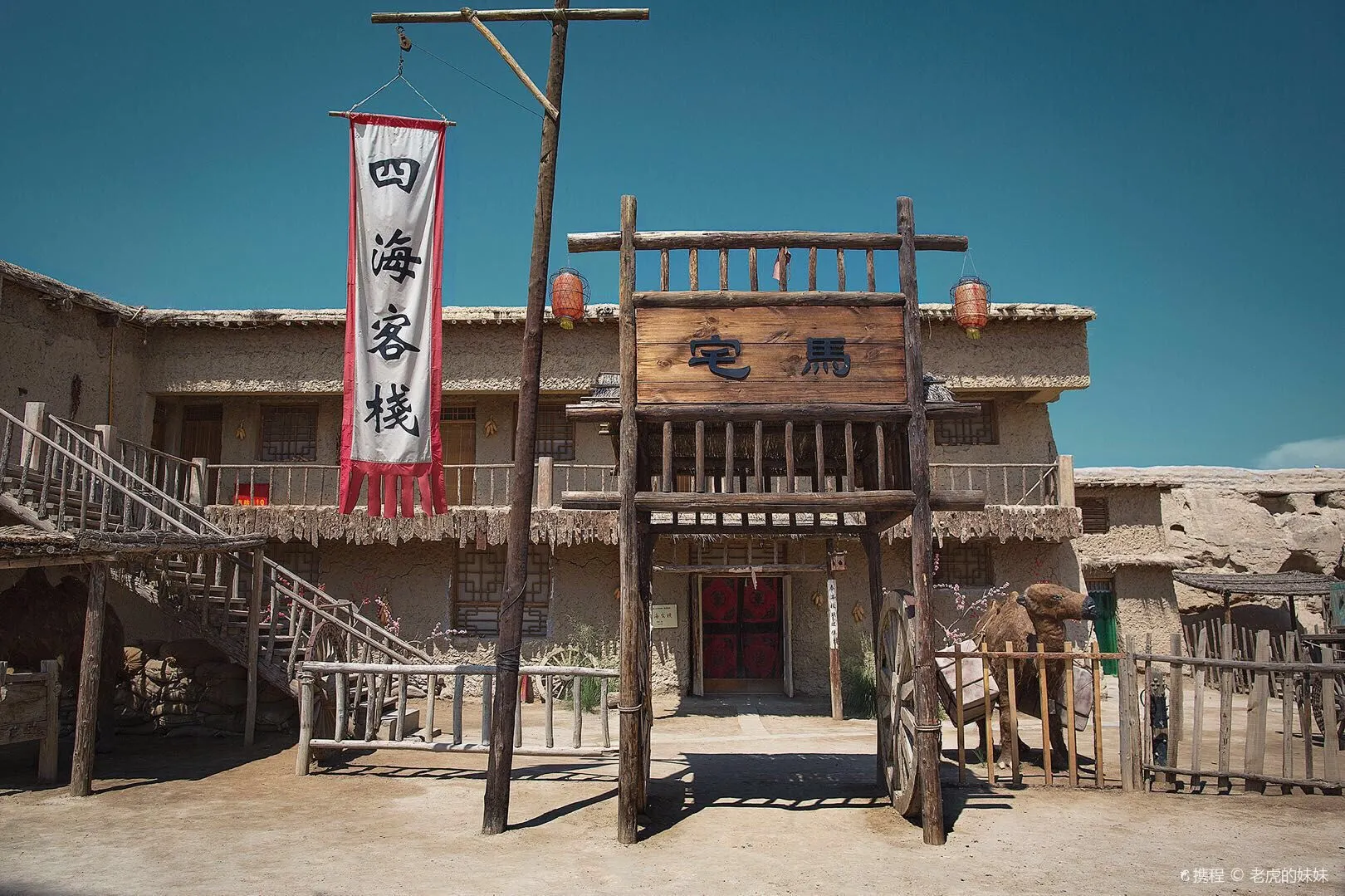
Zhenbeibao Western Cinema is located in Xixia District, Yinchuan City. In this studio, which is characterized by simplicity, roughness and desolation, classic films such as "Wrangler", "Red Sorghum", "Journey to the West", "Thorn Mausoleum", "Jin Yiwei" and hundreds of influential film and television films were filmed. In the remaining part, a large number of celebrities from the Chinese film industry have left their footprints here, such as Gong Li, Jiang Wen, Zhang Yimou, Ge You, Zhou Xingchi, Donnie Yen and so on. The cinema consists of three parts: Mingcheng, Qingcheng and Old Yinchuan Street. Tourists can visit the cinema along the "figure 8" route of Old Yinchuan Street. Here, you can see the appearance of Yinchuan in the first half of the 20th century, and eat local traditional snacks such as mutton soup. The Ming and Qing cities in the film city were rebuilt from the military castles left over from the Ming and Qing dynasties. In the Ming and Qing cities, you can see many familiar movie scenes, such as: the gate tower where Sun Wukong and Fairy Zixia are standing in "Journey to the West", the throne of the Bull Demon King, the torture platform of the Tang monk; and the movie "Journey to the West" The Moon Gate in "Red Sorghum", the winemaking workshop where "My Grandpa" urinated after being drunk, the sedan chair that Jiu'er took when he got married, the big vat for wine, and the bowls. There are costumes and props for rent in many places in the studio. Here, you can wear a set of costumes in the play, use the props in the movie, and walk around the scenes of the movie to live the addiction of being a star. Before going to Zhenbeibao Western Studios, you can revisit a few classic movies first, and then go to visit, you will have a different feeling.

China · Yinchuan
Gansu Provincial Museum
No. 2 of Family-friendly Attractions in Gansu

Gansu Provincial Museum

7.6
4.6/5
4k reviews

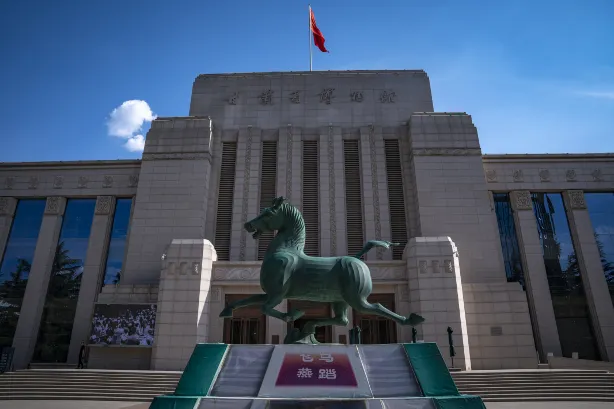
Gansu Provincial Museum is a large comprehensive museum centered on the civilization of the Silk Road. Located at a strategic point along the Silk Road and a convergence zone of Han and Tibetan cultures, its collections embody the diverse characteristics of the Central Plains, Western Regions, and the Tibetan Plateau. The three treasured artifacts—the Galloping Bronze Horse, the mural brick of a courier, and the painted pottery vase with a human-head-shaped mouth—serve as iconic representations of the museum. The museum has three floors, featuring permanent exhibitions on themes such as the civilization of the Silk Road, Buddhist art of Gansu, painted pottery of Gansu, paleontological fossils, and revolutionary Gansu. The Silk Road civilization exhibition on the second floor is the museum's centerpiece: the bronze galloping horse unearthed in 1969 from the Leitai Han tomb in Wuwei is displayed here. The horse has three hooves in the air and one stepping on a flying bird, standing steadily on a single hoof. Its image is now the symbol of Chinese tourism. In the same hall, the mural brick depicting a courier from the Wei-Jin tombs in Jiayuguan shows a messenger galloping on horseback, notably without a mouth, symbolizing the need for couriers to "keep their mouths shut." This pattern was later adopted as the emblem of China Post. The exhibition also features a procession of chariots and horses excavated from the same tomb as the bronze horse, along with Han and Tang dynasty silk textiles, gold and silver artifacts, making the prosperity of Silk Road trade vividly tangible. The Buddhist art exhibition hall on the third floor features replicas of caves from the Mogao Grottoes and Maijishan Grottoes, alongside statues, ritual objects, white pagodas, and prayer wheels from both Han and Tibetan Buddhism. Stepping into the hall feels like entering a temple, and this harmonious blend of Han and Tibetan styles is rarely seen elsewhere. On the same floor, the painted pottery exhibition showcases ceramics from cultures such as Dadiwan, Yangshao, and Majiayao, with intricate and fluid patterns like spiral and sawtooth designs. Among them, the painted pottery bottle with a human-head-shaped spout unearthed at Dadiwan in Qin'an, which integrates facial sculpture with the pottery vessel, is a highly popular exhibit. If you're interested in natural history, the paleontological fossils exhibition hall features the impressive skeleton of the Yellow River ancient elephant unearthed in Heshui, and the dinosaur fossils and reconstructed models are also popular with children. The revolutionary Gansu exhibition hall showcases historical artifacts and materials from periods such as the Nanliang base area and the Shaan-Gan-Ning border region, narrating the modern history of this land. The museum houses a large quantity of exhibits, and even a quick tour would take half a day. It's recommended to start with the Silk Road exhibition on the second floor, then proceed to the third floor for Buddhist art and painted pottery, following a logical route. In the exhibition halls, you can scan to listen to the audio guide, and at certain times, volunteers also provide guided explanations.

China · Lanzhou
Ningxia Museum
No. 3 of Family-friendly Attractions in Ningxia

Ningxia Museum

7.3
4.8/5
1.1k reviews

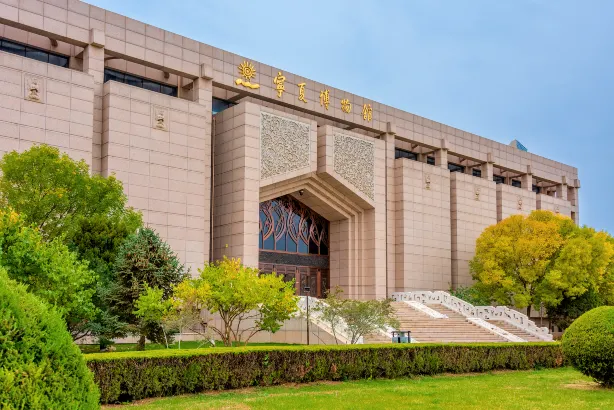
The Ningxia Museum is a provincial-level comprehensive museum in the Ningxia Hui Autonomous Region. The building's floor plan is shaped like the Chinese character "回" (hui), reflecting the region's name. The architectural elements used in the exterior decorations, such as the Kalavinka (a mythical bird) and the strongman-shaped support base, as well as the decorative patterns on the four main gates, are representative of Ningxia's historical and cultural heritage and possess distinct regional characteristics. The museum has four floors, with the three ground floors open to the general visitors. The first floor of the museum houses the visitor service hall and temporary exhibition halls. Here, you'll also find the rock painting exhibition titled "Stone carvings as history books." Stepping into this hall feels like entering an ancient era. While travelers often prefer visiting the ancient rock paintings in Helan Mountain, many rock art sites across Ningxia remain less visited due to their remote locations and limited transportation. In this exhibition hall, visitors can get up close with a wider collection of Ningxia's rock paintings. The museum's second floor houses the "General history of Ningxia exhibition hall," a key area for travelers. Treasures like the Western Han dynasty silver-inlaid bronze sheep, Tang dynasty stone door panels depicting the Sogdian whirl dance, Western Xia dynasty gilded bronze ox, and human figure pedestals are all displayed here. Travelers can also view rubbings of the "Stele inscription of the reconstructed Huguo Temple stupa in Liangzhou," where the Western Xia script appears more block-like than Chinese characters. The third floor features folk culture exhibits, including interactive electronic screens for experiencing Ningxia's unique square chess game.

China · Yinchuan
Tongxin Today's weatherClear -4-11℃
Tongxin weather for the next 2 days11/25: -3-17℃, 11/26: -4-9℃

Free things to do in Tongxin
What travellers say about Tongxin
user-avatar
ALILT15717 April 2021
5.0
I wanted to go there 17 years ago, and finally got there today. Beautiful brick carvings, friendly church members. Thank you very much.

Tongxin Great Mosque

user-avatar
Anonymous user18 June 2024
5.0
The old man is an old party member. He likes red attractions, so every time he goes out, he will find some local red attractions to attract him to go out again next time. Tongxin Red Army Westward Expedition Memorial Park is a famous red attraction in Tongxin County, Ningxia. There is also Tongxin Mosque next to it, which is worth a visit.

The Chinese Workers' and Peasants' Red Army Xizheng Memorial Park

user-avatar
M37***6021 November 2026
5.0
Shapotou Scenic Area is highly recommended. There are very few people in November, so there are no queues for the activities. The staff recommends the 299 RMB package, which includes many activities such as speedboat and raft rides, Yellow River ziplining, camel rides, and dune buggy rides. It's economical and worthwhile. The raft ride is especially great; the boatman sings and explains the activities, which is a wonderful experience.

Shapotou Scenic Area

user-avatar
green_glass14 November 2026
5.0
The shuttle bus to Shuimo Danxia is so convenient! The half-day tour is perfectly timed, allowing enough time to explore the scenic area without missing a visit to the Gansu Provincial Museum in the afternoon. The price is reasonable, and I've recommended it to my friends.

Lanzhou Danxia Geological Park

user-avatar
阿伯蒂费珍妮芙21 November 2026
5.0
Entering from the visitor center, a large screen in the scenic area displays real-time weather and other information. First, visit the Western Xia Imperial Tombs Museum to learn about the history of the Western Xia Dynasty and the World Heritage Site. The Western Xia Dynasty began in the late Tang Dynasty, lasting 190 years before being destroyed by the Mongols in 1227. In the vast expanse of history, the Western Xia civilization, though brief, was brilliant and glorious, especially its script, which is very charming—square and dignified yet revealing the wildness of a nomadic people. The sunshine in Ningxia is wonderful! Passing through the underground passage to the boarding point, we first visited Tomb No. 3. Tomb No. 3 is currently the best-preserved imperial tomb in the Western Xia Imperial Tombs area, and its occupant is believed to be Li Yuanhao, the founding emperor of the Western Xia Dynasty. The grand scale of a thousand years ago has turned to dust; only the massive earthen mounds and scattered fragments of stone figures, statues, and horses remain amidst the vastness of the earth and sky. Modern researchers have drawn a reconstructed outline based on historical records, offering a glimpse into the original mausoleum's magnificent appearance. After passing Mausoleum No. 3, we took a car to Mausoleum No. 2 and Mausoleum No. 4, which are presumed to be the tombs of Li Yuanhao's grandfather, father, and son, respectively. The layout of the mausoleums is similar. As evening approached, a breeze began to rise from the Helan Mountains, blowing across this land of Western Xia. I gazed at the Helan Mountains, the sacred mountains of the Western Xia people, and felt a sense of awe.

Xixia Imperial Tombs

user-avatar
月无痕gz5 November 2026
4.0
Zhenbeibao Western Film Studio, nestled at the foot of Helan Mountain, exudes the unique desolation and ruggedness of Northwest China. The ancient rammed earth castle, weathered and imposing, served as a filming location for movies like "A Chinese Odyssey" and "Red Sorghum." Strolling through the Ming Dynasty city, Qing Dynasty city, and Old Yinchuan Street, every wall and tile holds stories from classic films. No need for elaborate filters; every snapshot is a masterpiece of atmosphere. Perfect for those who love nostalgia and photography, offering an immersive experience of the unique charm of the martial arts world.

China West Film Studio

user-avatar
玖恩judy31 October 2026
5.0
The Gansu Provincial Museum is an absolute must-see during your trip to Lanzhou! The museum's collection is breathtakingly rich, especially the painted pottery exhibition hall. The patterns from thousands of years ago still possess a remarkable beauty, a testament to the wisdom of the ancients. Of course, the most unmissable exhibit is the museum's crown jewel, the "Flying Horse of Gansu" (bronze galloping horse). Seeing it in person is a truly awe-inspiring experience that pictures can't capture. The row of adorable terracotta figurines is also incredibly photogenic. The entire visit is both educational and entertaining, and with free reservations, it's excellent value. I highly recommend setting aside half a day for a leisurely exploration, and definitely hire a guide or rent an audio guide – it will elevate your experience significantly!

Gansu Provincial Museum
user-avatar
爱笑的大大君君8 November 2026
5.0
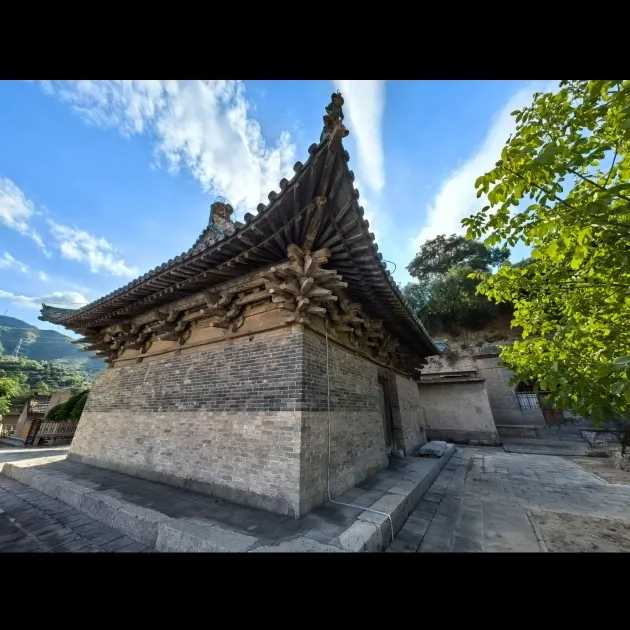
Recommended. The entire trail is about 10 kilometers long. The Danxia landform is incredibly stunning and unique, especially under the bright sunshine; the dazzling effect is like stepping onto another planet. However, it gets crowded, the entrance is a bit cramped, and parking took quite a while.

The Wave Valley Scenic Area

user-avatar
M41***3419 October 2026
4.0
The scenic area is quite large, but its main attraction is rather singular: the various rock paintings carved into the cliff faces. However, since they are remnants of the daily lives of ancient people, they are still worth seeing.

Helan Mountain Rock Painting

user-avatar
E20***5220 November 2026
5.0
⭐⭐⭐⭐⭐ Five-star review! I was fortunate enough to have a private group session with Teacher Niu. His two-hour-plus explanation was professional and detailed. He has a thorough understanding of the history of Ningxia and Western Xia artifacts, and his explanations were vivid and easy to understand. I gained a lot and had a fantastic experience. Highly recommended!

Ningxia Museum

Popular cities near Tongxin

Frequently asked questions

How can I contact Trip.com customer support?

Get help anytime, anywhere within 30 secondsContact customer support

Change and cancellation policies vary by attractions and tours. Please check the product details page for more information.

Ticket prices may vary between weekdays and weekends, as well as during peak and off-peak seasons. When booking with Trip.com, you can also use Trip Coins to get extra savings. For more tips on booking discounted tickets, please visit Trip.com for the latest information.