


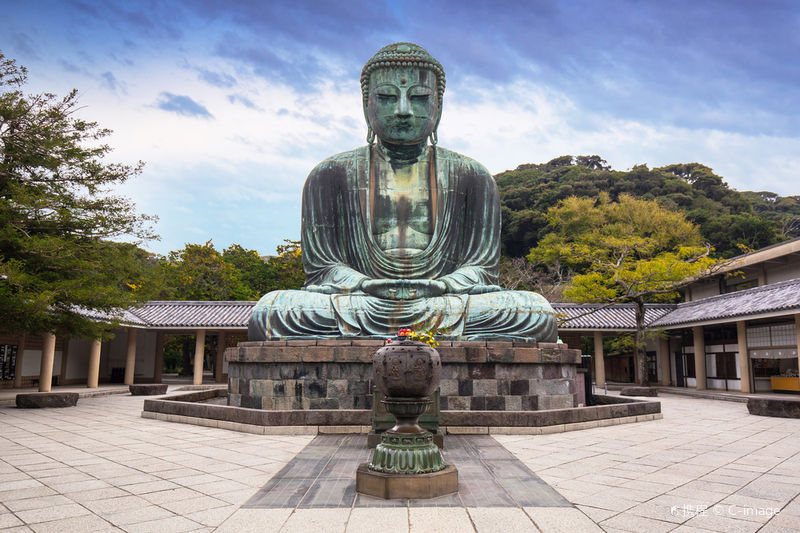
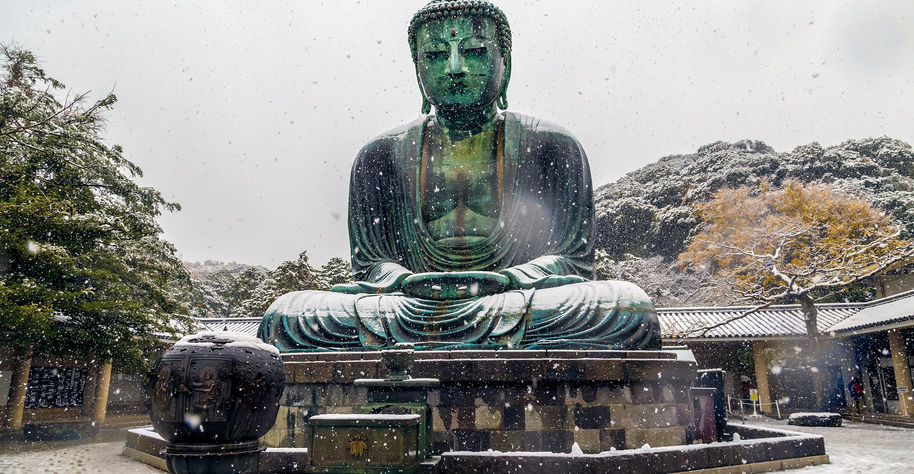
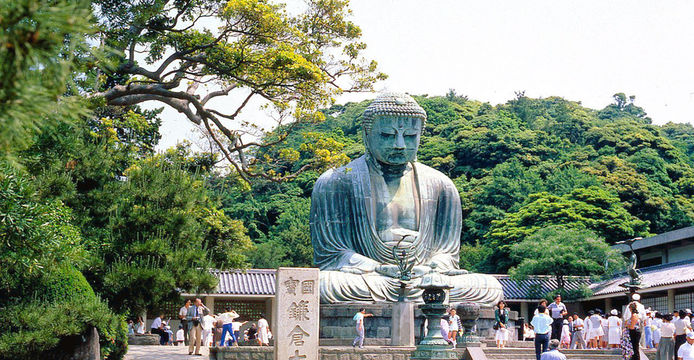

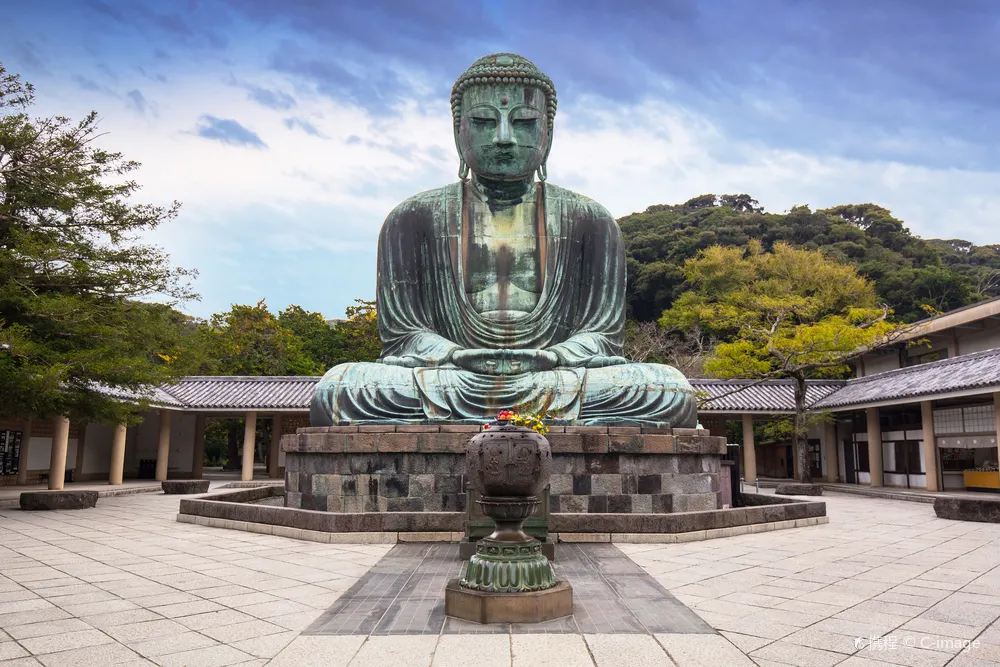
▲ Kotoku-in: Located in Kotoku-in, Kamakura, this bronze statue of Amida Buddha was built in the 13th century, stands approx. 11 m tall, and weighs approx. 121 tons. The statue has a solemn appearance, retains the architectural style of the Kamakura period, and is designated as a Japanese national treasure. Visitors can enter the statue to experience its historical significance, making it a representative cultural view of Kamakura.
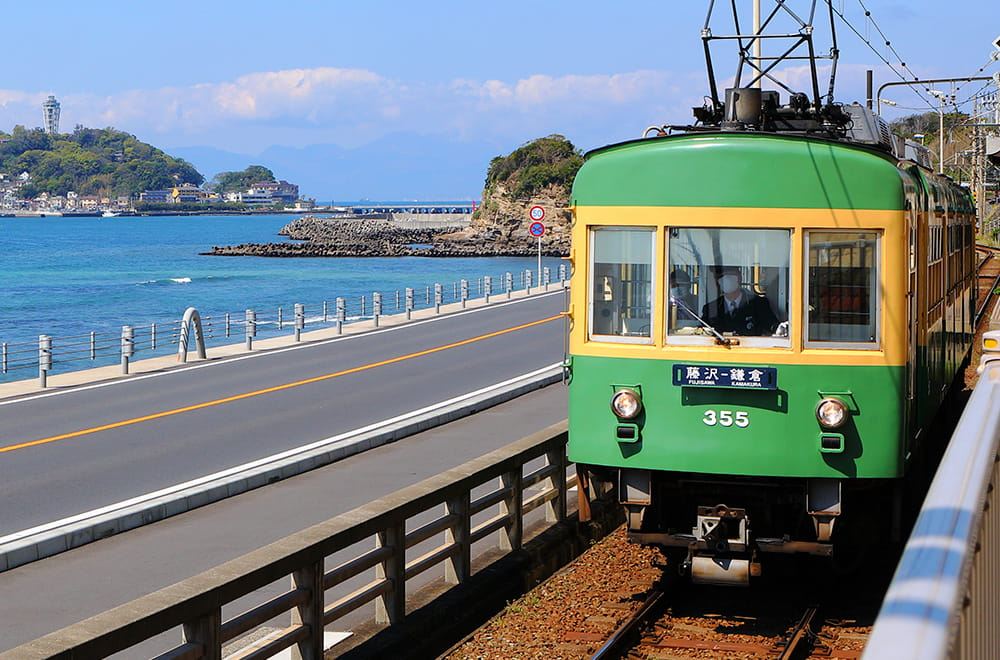
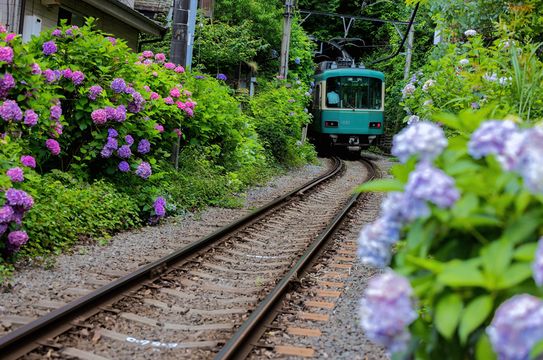
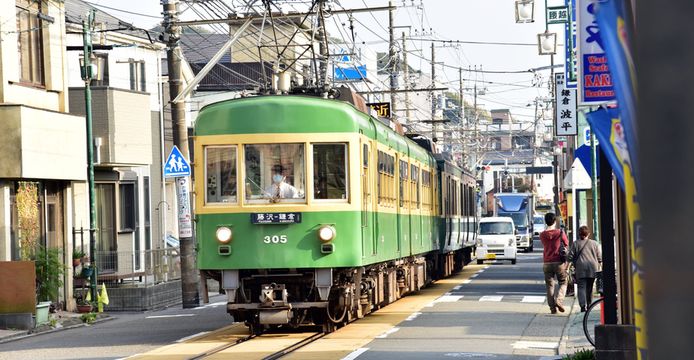
▲ Enoshima Electric Railway experience: The Enoshima Electric Railway is a retro train connecting Kamakura and Enoshima, passing along the coast, neighborhoods, and school fronts, with alternating views of the sea and the city. The carriages feature nostalgic designs and a leisurely pace, allowing you to enjoy the scenery of the Shonan coastline and immerse yourself in the healing atmosphere of anime scenes. It's a unique transportation experience in Kamakura.
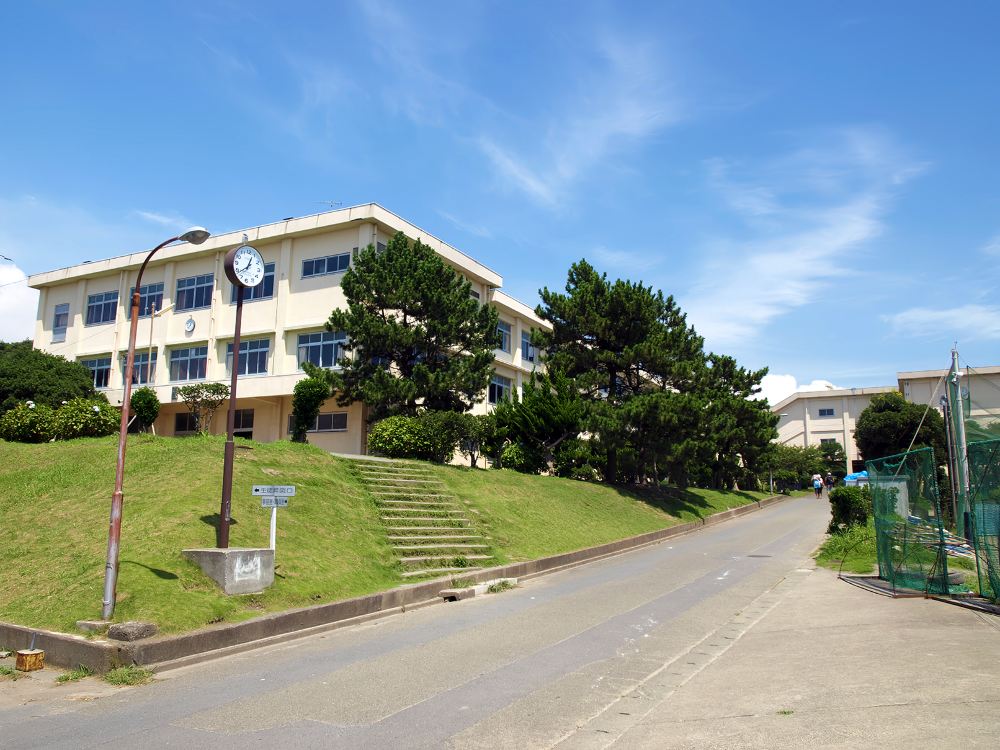
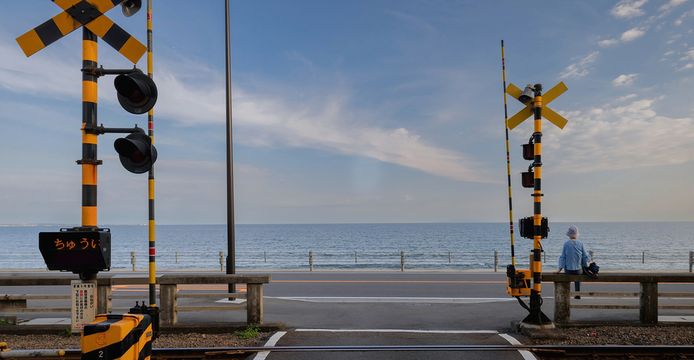
▲ Kamakura High School: Kamakura High School is the real-life prototype of Ryonan High School from "Slam Dunk," with the railway crossing in front of the station being a classic anime filming location. The campus buildings are fresh and stylish, surrounded by a tranquil environment, attracting anime fans to visit, reminisce about their youth, and experience the blend of manga and reality.
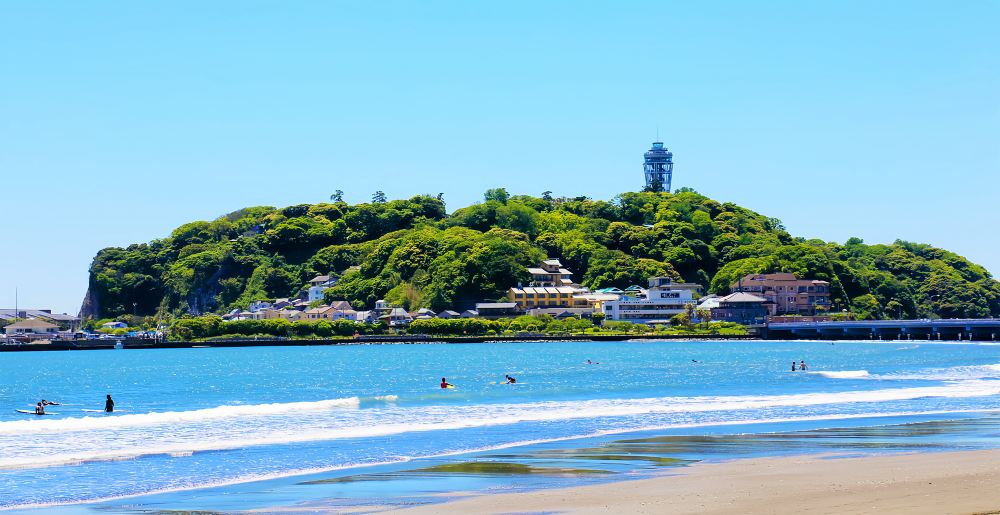
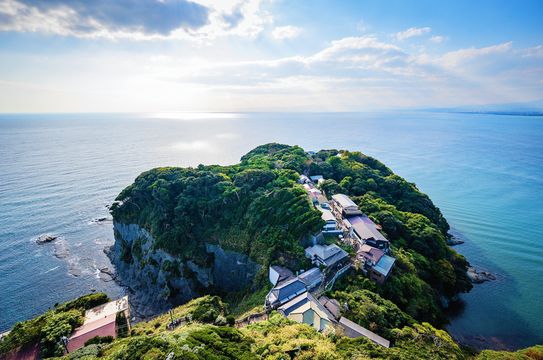
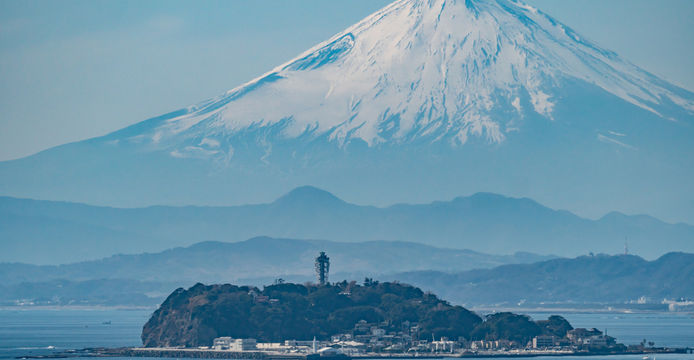
▲ Enoshima: An island located on the Shonan coast, connected to the mainland by a bridge. The island is lush with vegetation and offers distant views of Mount Fuji (on clear days). It features an observation deck, a lighthouse, and a shopping street, with expansive ocean views. This spot is ideal for leisurely strolls and enjoying coastal scenery, brimming with natural and cultural charm.
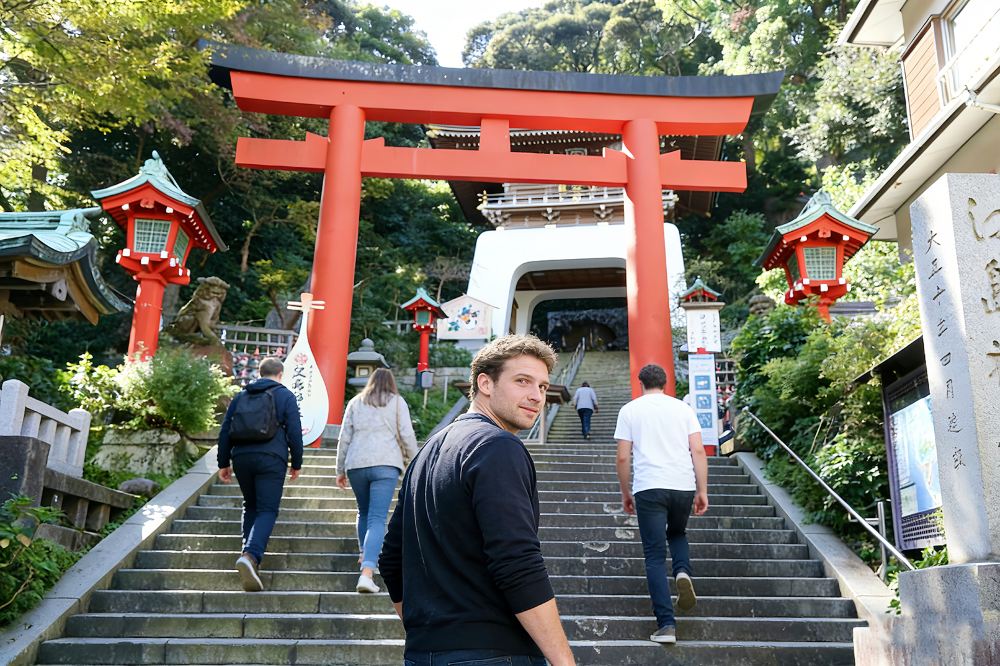
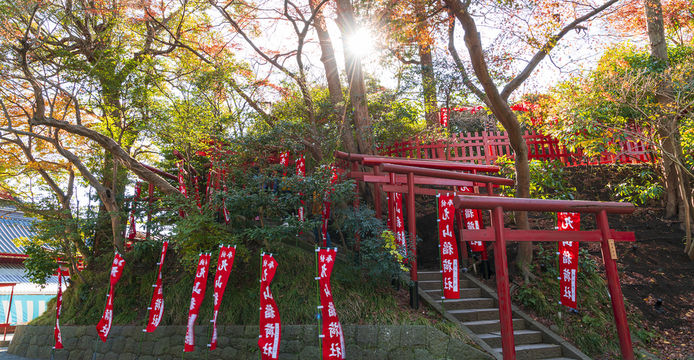
▲ Enoshima shrine: Located on Enoshima, it is a well-known shrine in Japan dedicated to the goddess of the sea, featuring ancient and elegant architecture. The shrine houses a red torii gate and a traditional worship hall, offering a serene environment to experience Japanese traditional faith and culture. It is a core cultural attraction of Enoshima, where visitors can pray for peace.
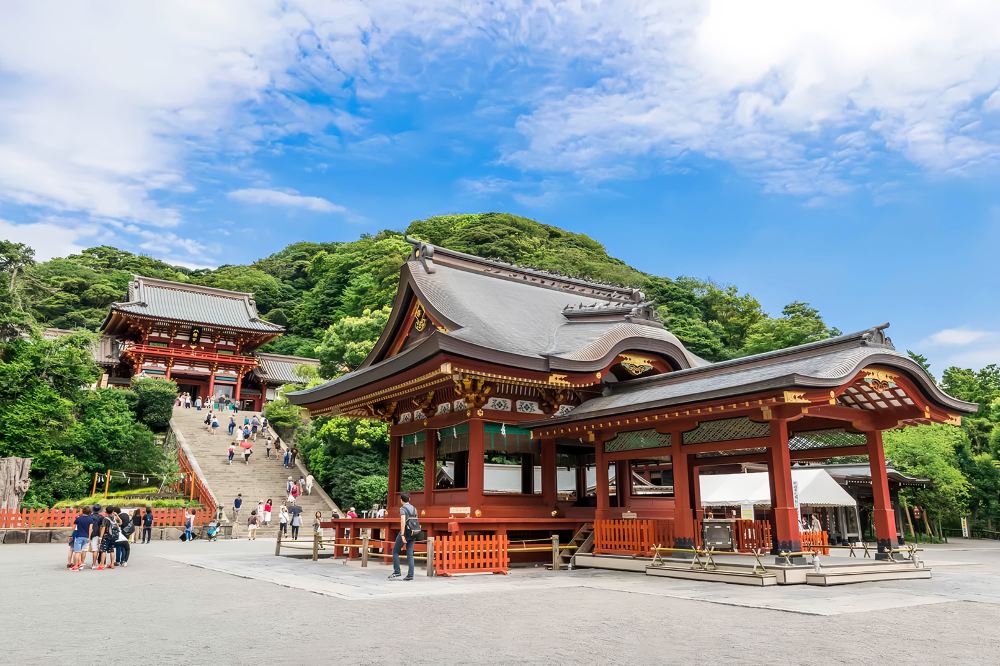
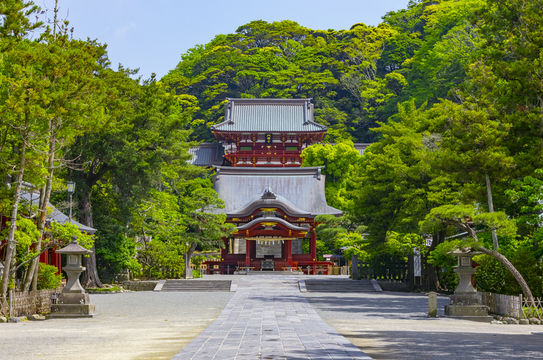
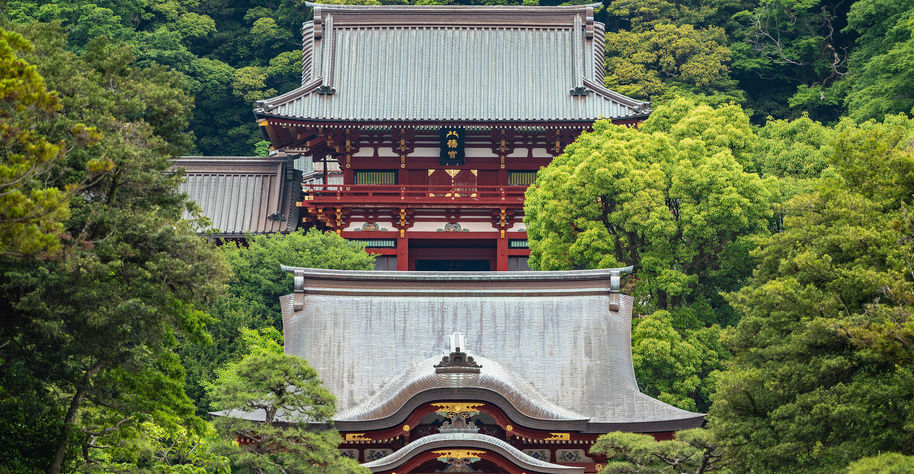
▲ Tsurugaoka Hachimangu: The core shrine of Kamakura, founded in 1063 as the guardian shrine of the Kamakura shogunate. The shrine's architecture is magnificent, featuring its iconic vermilion torii gate and main hall. The grounds are shaded by towering ancient trees, offering distinct seasonal scenery, and visitors can experience Japan's traditional festival culture and architectural artistry.
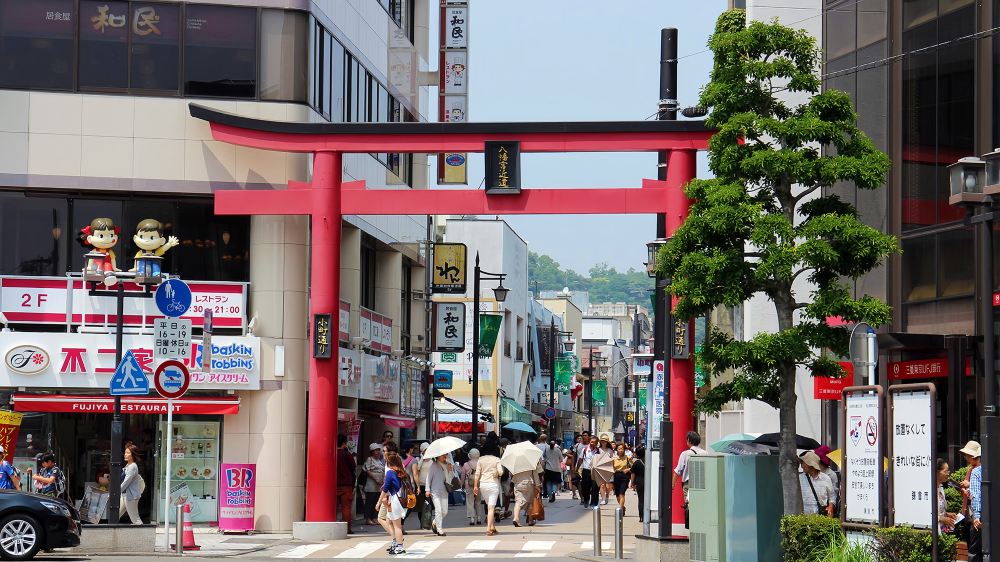
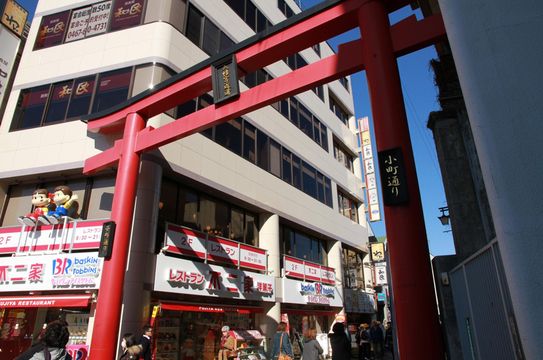
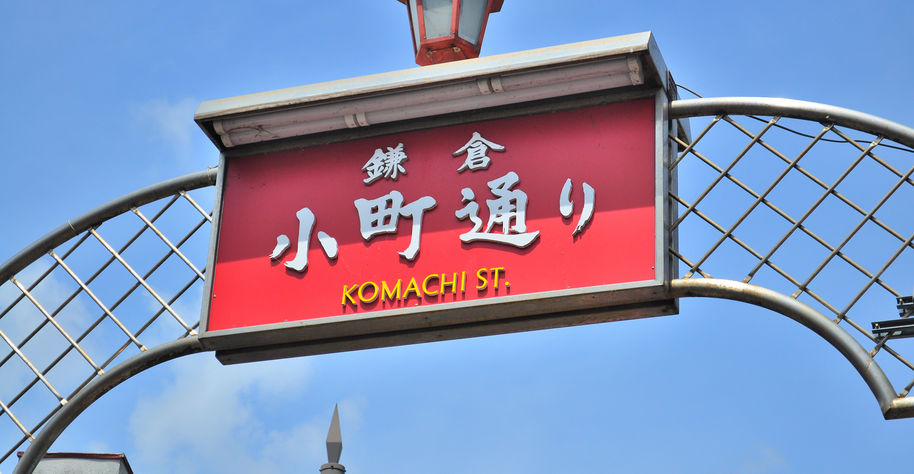
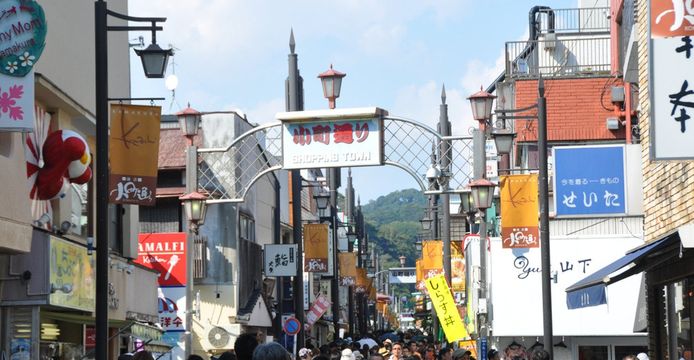
▲ Komachi St: The core commercial street of Kamakura, adjacent to Kamakura Station, is lined with shops offering traditional snacks, handicrafts and specialty desserts. The architecture retains a retro style with a lively atmosphere, where you can savor Kamakura's delicacies, buy souvenirs, and experience the vibrant commercial energy of this ancient capital.