Special note: 1. A successful booking does not guarantee a successful waitlist for the Forbidden City. Please carefully read the announcement on Trip.com's official website, as the merchant will need to secure tickets again. 2. If the merchant fails to secure tickets, visitors will be notified by phone or SMS before 22:00 on the waitlist day (usually 7 days before the travel date). You can cancel without penalty or reschedule for free. Please book with caution if this is a concern.
Third: If the webpage shows that some group tours cannot be booked, please contact customer support. If tickets are available, you can change the tour date and place an order. Please be advised.

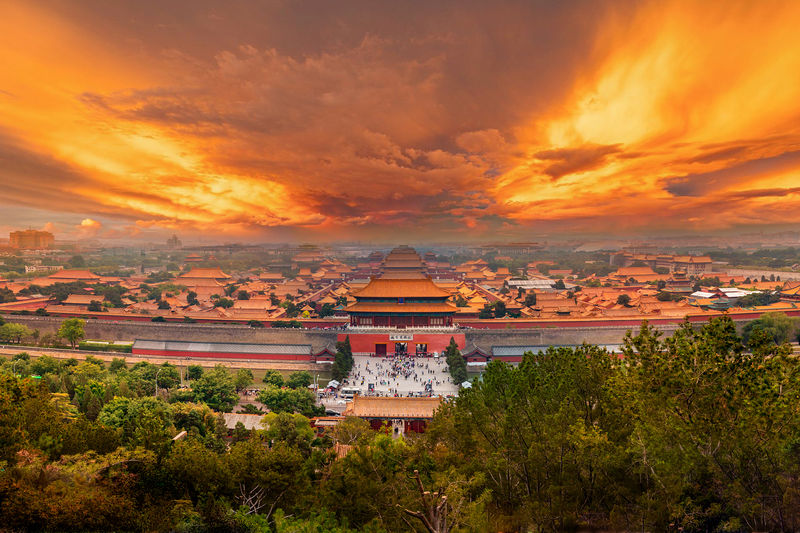
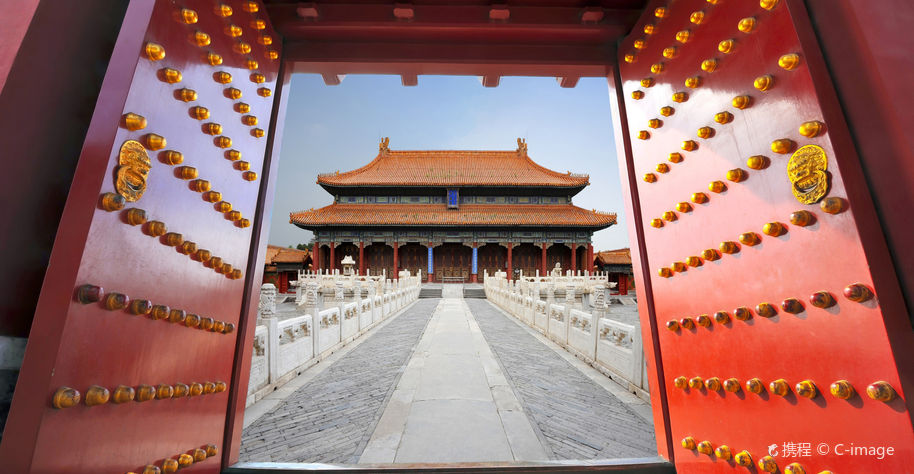
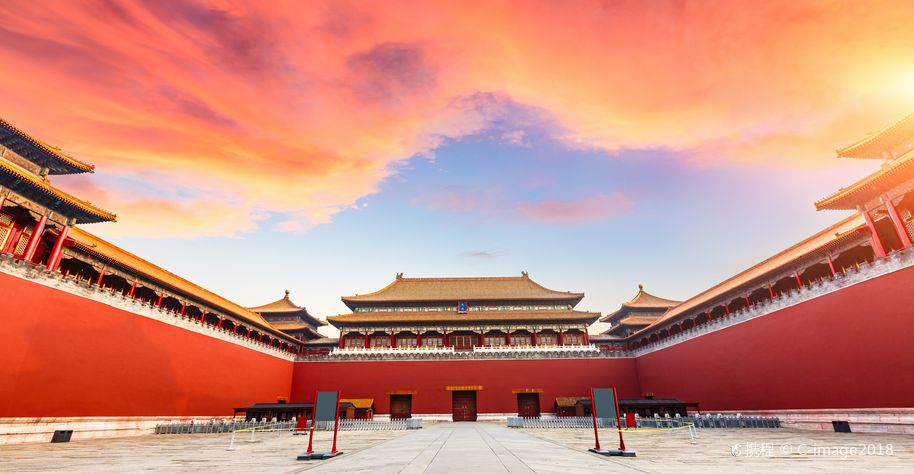
The Palace Museum, also known as the Forbidden City, served as the imperial palace during the Ming and Qing dynasties, standing as a timeless symbol of ancient China. Walking through its majestic walls and grand courtyards, you can vividly sense its former glory. Centuries of history have left behind an extraordinary collection of precious architecture and countless cultural relics.


Tour the ancient architectural complex
The Forbidden City is one of the most well-preserved and largest ancient wooden architectural complexes in China and the world. These magnificent buildings can be divided into two main sections: the "Outer Court" and the "Inner Court." The Gate of Heavenly Purity serves as the boundary—the area south of it is the Outer Court, where emperors handled state affairs, while the area north is the Inner Court, housing the imperial family and the emperor's concubines, serving as the private living quarters.


Admire a vast collection of precious artifacts
The Forbidden City houses a vast collection of precious cultural relics, reportedly numbering in the millions. These artifacts are displayed in various exhibition halls categorized by type. Among them, the Treasure Gallery and the Clock Gallery are particularly remarkable, showcasing the Qing Dynasty's collection of exquisitely crafted and uniquely designed mechanical clocks.
Travel Route
The Forbidden City covers a vast area with over 70 large and small palaces and numerous touring routes. To explore it thoroughly, you'll need to allocate a full day.


Classic Attractions
The Hall of Supreme Harmony (Taihe Dian) - where emperors held grand ceremonies
The Hall of Supreme Harmony, commonly known as the "Golden Throne Hall," was the venue for grand ceremonies during the Ming and Qing dynasties.
The Hall of Mental Cultivation – where emperors held court
The Hall of Mental Cultivation is an "L"-shaped building, divided into front and rear halls. After Emperor Yongzheng of the Qing Dynasty, the emperor's bedchamber was moved to the rear hall, and the front hall became the place where the emperor handled daily state affairs and received officials.
The magnificent stone bridge in The Palace Museum - Golden Water Bridge
In front of the Gate of Supreme Harmony (Taihe Men), there are five exquisite single-arched Golden Water Bridges on the square. Their graceful design complements the magnificent Meridian Gate tower and the resplendent Hall of Supreme Harmony (Taihe Dian), creating a captivating scene.
The bridal chamber for imperial weddings – Kunning Palace
The Palace of Earthly Tranquility is one of the three rear palaces in the inner court of The Palace Museum in Beijing. During the Ming Dynasty, it served as the empress's residence, but gradually transformed into a venue for sacrificial rituals in the Qing Dynasty.
The Hall of Preserving Harmony, where the "Palace Examination" was held
The Hall of Preserving Harmony represents the pinnacle of traditional Chinese palace architecture and is one of the grand halls within The Palace Museum in Beijing. Every Lunar New Year's Eve, emperors hosted banquets here for ethnic minority nobles and officials. Since the late Qianlong era, it became the designated venue for holding the prestigious "Imperial Examinations."
A treasure trove of unparalleled artifacts – The Treasure Gallery
The Treasure Gallery is located in the Palace of Tranquil Longevity area, featuring an exceptionally rich collection that includes Buddhist artifacts, jewelry, daily utensils, and rare decorative items.
Exquisitely designed clocks and watches – The Clock Gallery
The Clock Museum is located in the Fengxian Hall of the palace, showcasing a collection of clocks and watches predominantly from Britain, along with timepieces from other countries such as France and Switzerland.
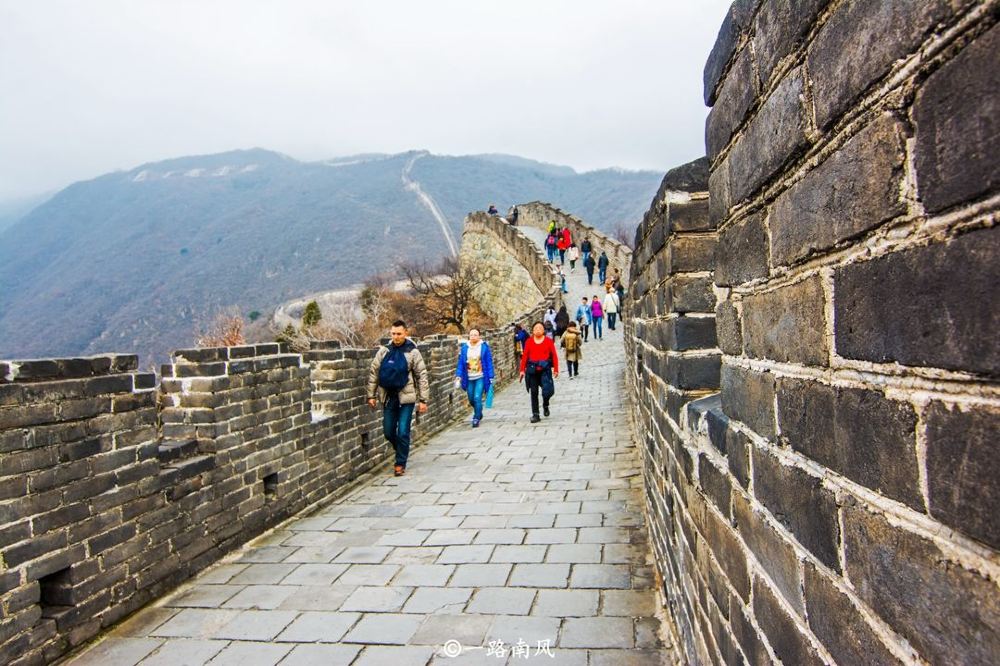
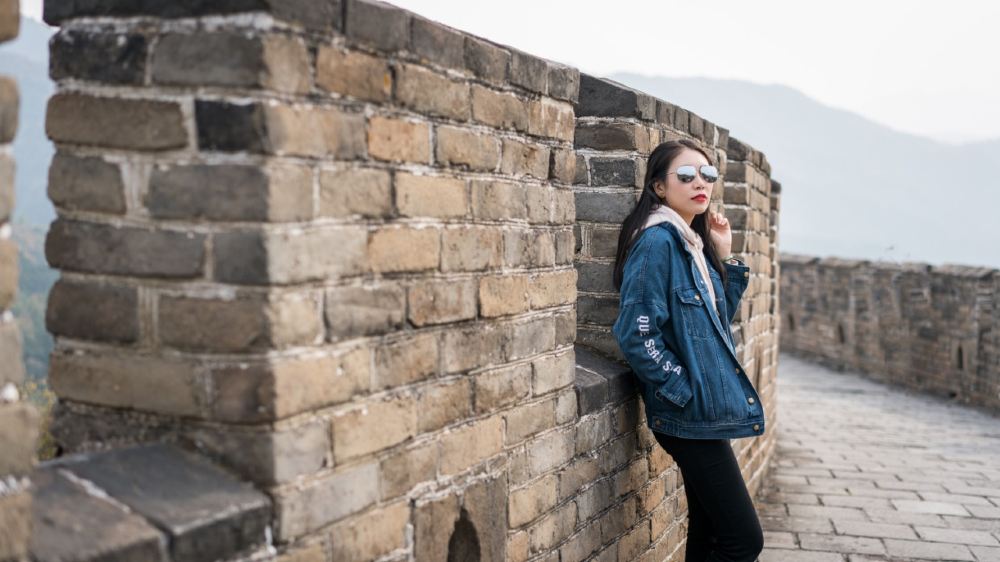
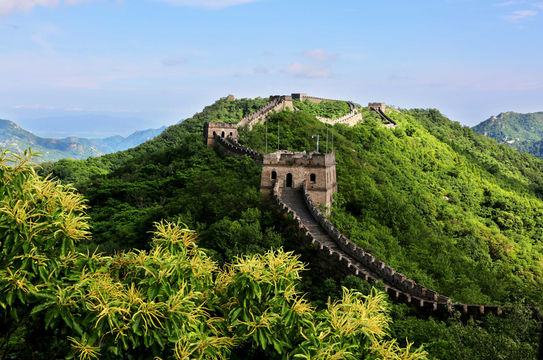
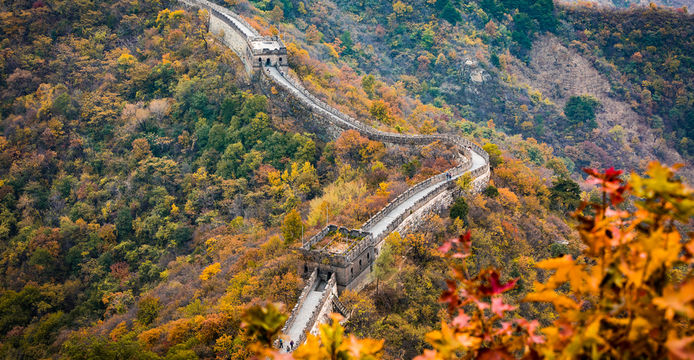
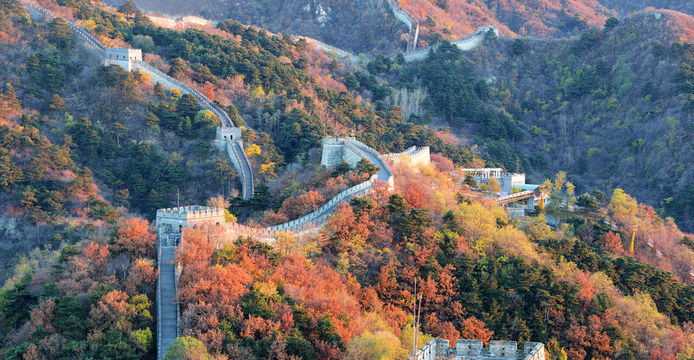
Mutianyu Great Wall is located in Huairou District, Beijing, connecting Juyongguan Great Wall to the west and Gubeikou to the east. It has been a crucial military stronghold defending Beijing since ancient times, known as the "Dangerous Ridge and Mighty Pass." The wall features unique architectural styles with densely spaced watchtowers, particularly the distinctive Zhenguan Terrace where three watchtowers stand together on one platform - a rare sight along the Great Wall.
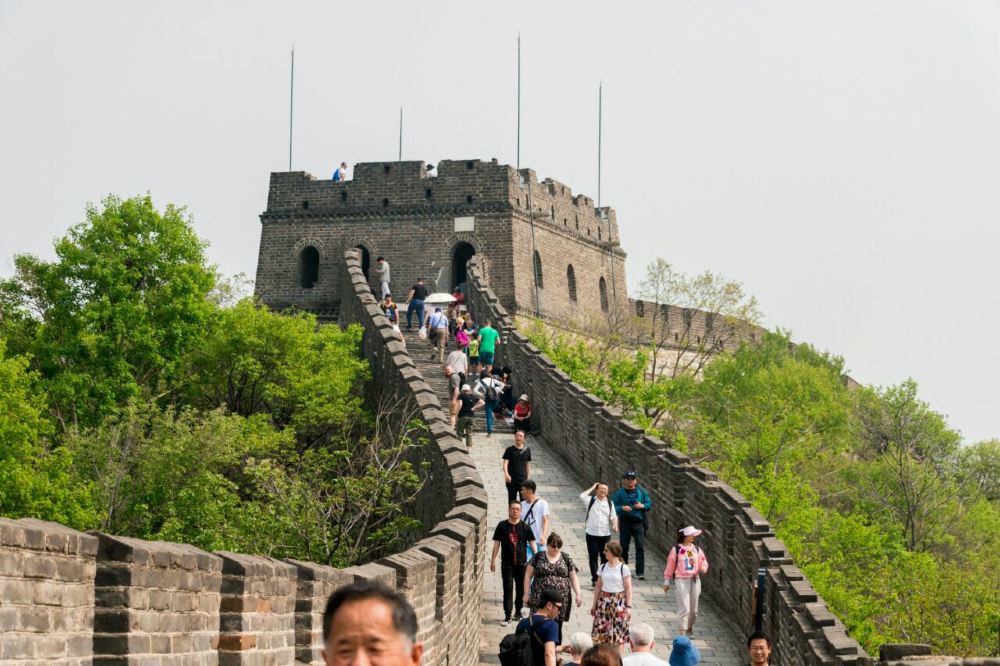
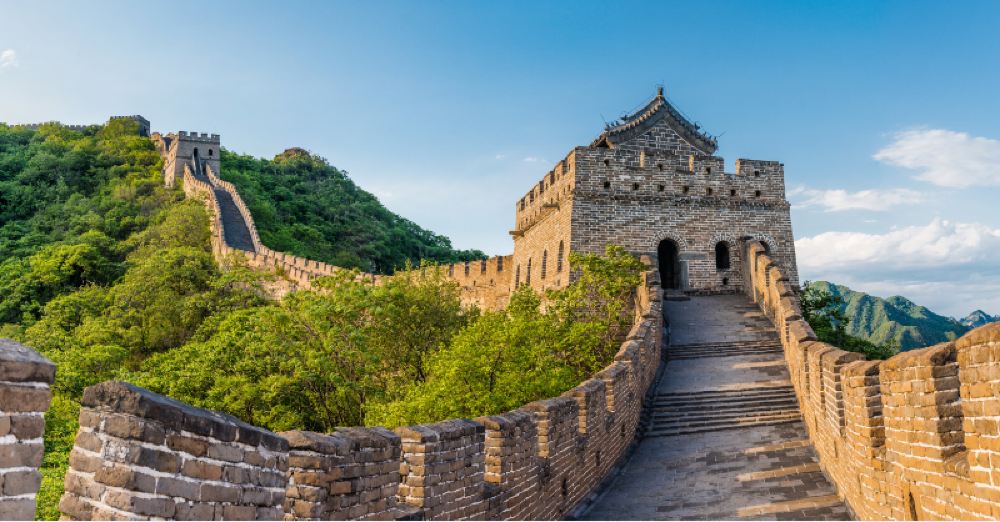
22 closely spaced watchtowers
The Mutianyu Great Wall was mostly built along steep cliffs on the outer side, following the mountain's contours to utilize natural defenses. The wall stands 7–8 meters high with a top width of 4–5 meters, constructed primarily from granite, making it majestic and sturdy. This section features densely distributed watchtowers—22 towers along the currently open 2,250-meter stretch. Notably, between Watchtower 1 (Great Corner Tower) and Watchtower 4 (Zhengguan Tower), four watchtowers are concentrated within less than 500 meters, a unique defensive density unmatched by other Great Wall sections.
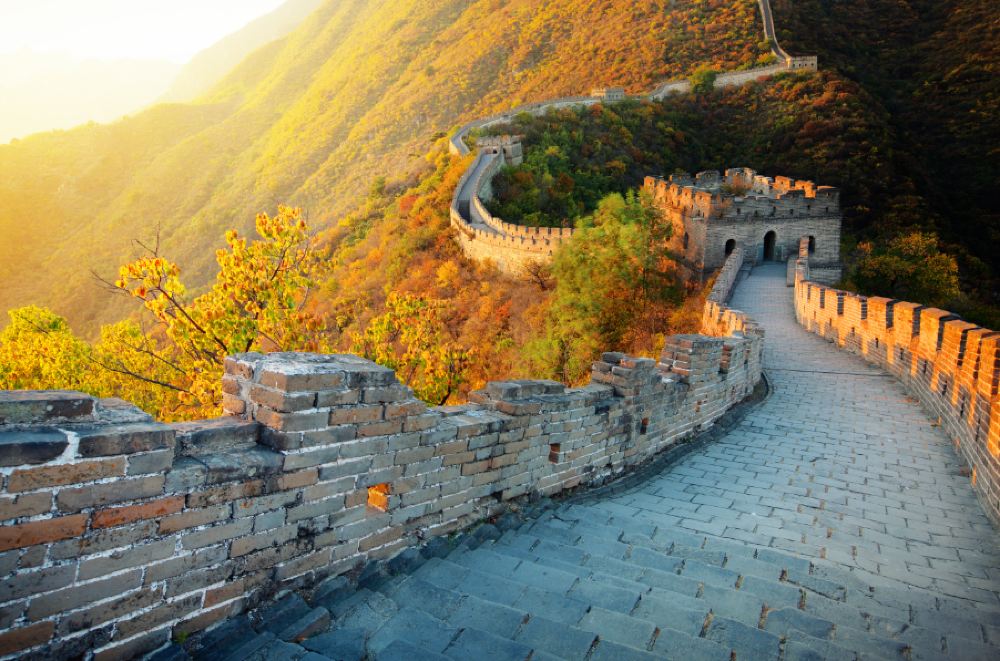
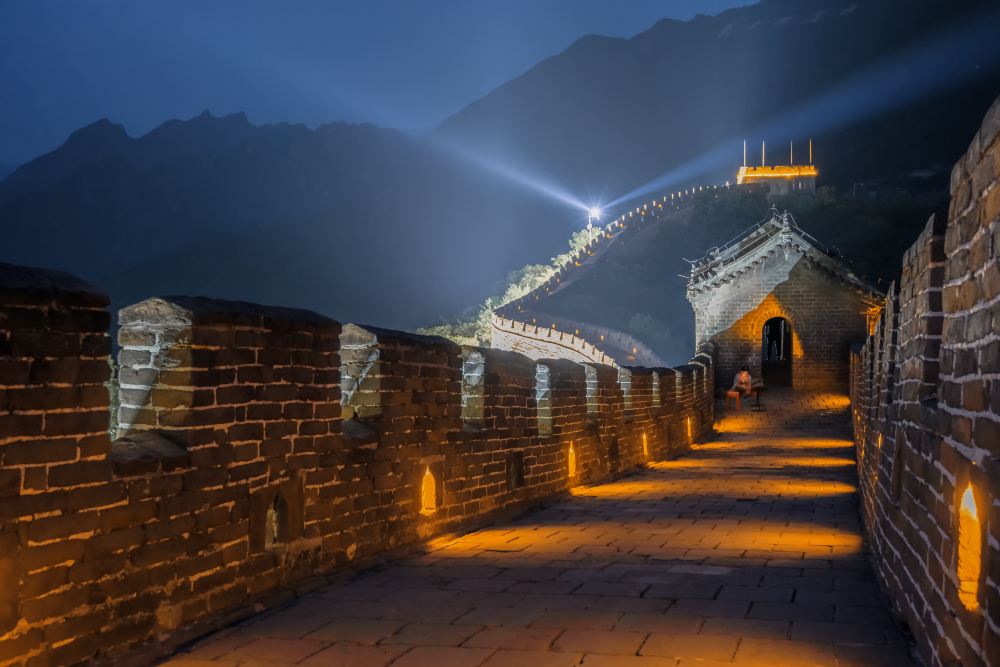
Great Wall hiking route guide
Most visitors hike up the Great Wall along the ascending trails. The attraction has two trails starting from the north and south ticket gates respectively. The north ticket gate provides access to hike up the wall from Tower 10 or Tower 8, while the south ticket gate leads to Tower 8 or Tower 6. Both trails are similar in distance, approximately 1,500 meters. For those who wish to conserve energy, a cable car is available near the north ticket gate, with its upper station located near Tower 14.
The currently open section of Mutianyu Great Wall is approximately 2,250 meters long. At its southeastern end stands the First Platform's Great Corner Tower. Heading northwest, visitors can reach Platform 4 (Zhengguan Platform) to see the rare structure of three watchtowers standing together on one platform. Continuing forward, the wall becomes relatively flat and easy to walk, leading all the way to Platform 22 at the northwestern end. From there, visitors can take the cable car down from Platform 14.