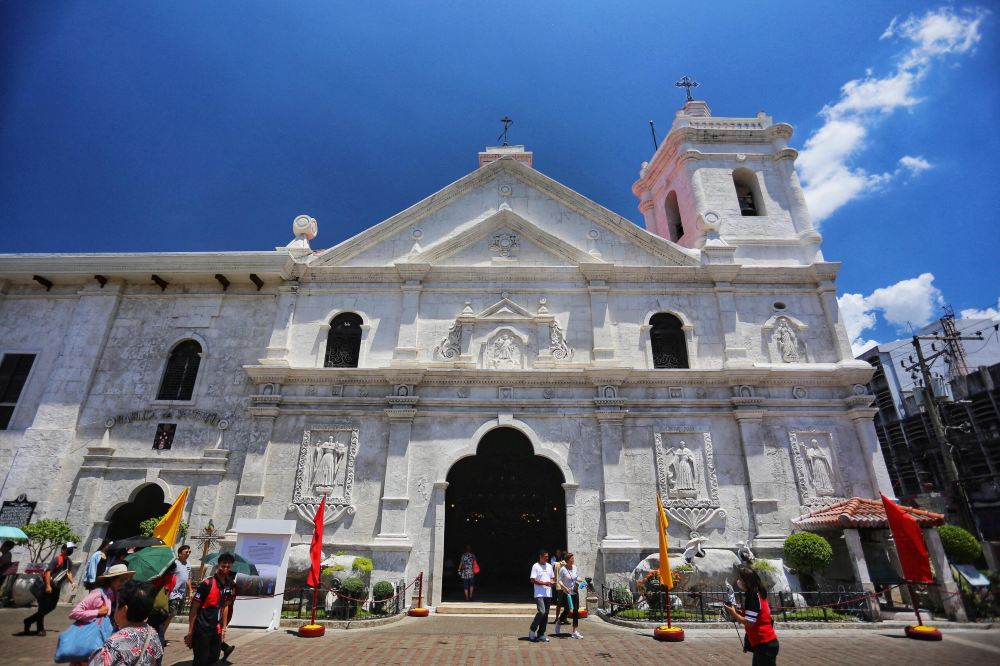
▼Minor Basilica of the Holy Child of Cebu (Basilica Minore Del Sto. Niño de Cebu)
A historic Catholic church in the Philippines, solemn and time-honored. It houses the precious Santo Niño de Cebu statue, a symbol of local faith and culture, and is a must-visit religious landmark in Cebu. The church preserves the Santo Niño image gifted by Magellan in 1521, which survived wars intact. Featuring Baroque architecture with stained glass and religious artworks inside; visitors must dress appropriately (no sleeveless tops or shorts).
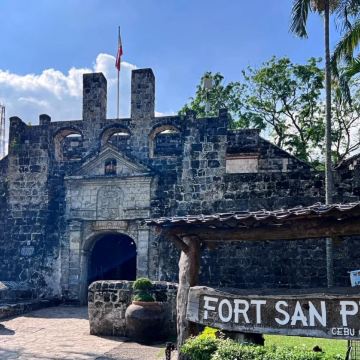
▼Fort San Pedro
The ancient Spanish-style triangular fortress in the Philippines, once a military stronghold and prison during the Spanish colonial era, now serves as a peaceful park. Its walls, artillery batteries, and courtyards provide excellent photo opportunities, while a small historical exhibition can be found inside. The rustic stone walls, cannons, and courtyards brim with historical charm, allowing visitors to stroll through and feel the lingering traces of the colonial period.

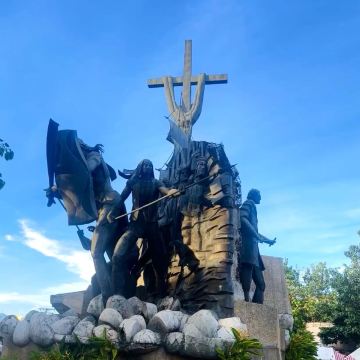
▼Parián District
Cebu's ancient Chinese settlement area, centered around the Cebu Heritage Monument, features a sculpture group recreating 500 years of colonial, trade, and religious history. The surrounding area boasts old buildings and handicraft shops. Preserving century-old architecture and historical relics, it exudes vintage charm and serves as an excellent place to explore Cebu City's local culture and history.

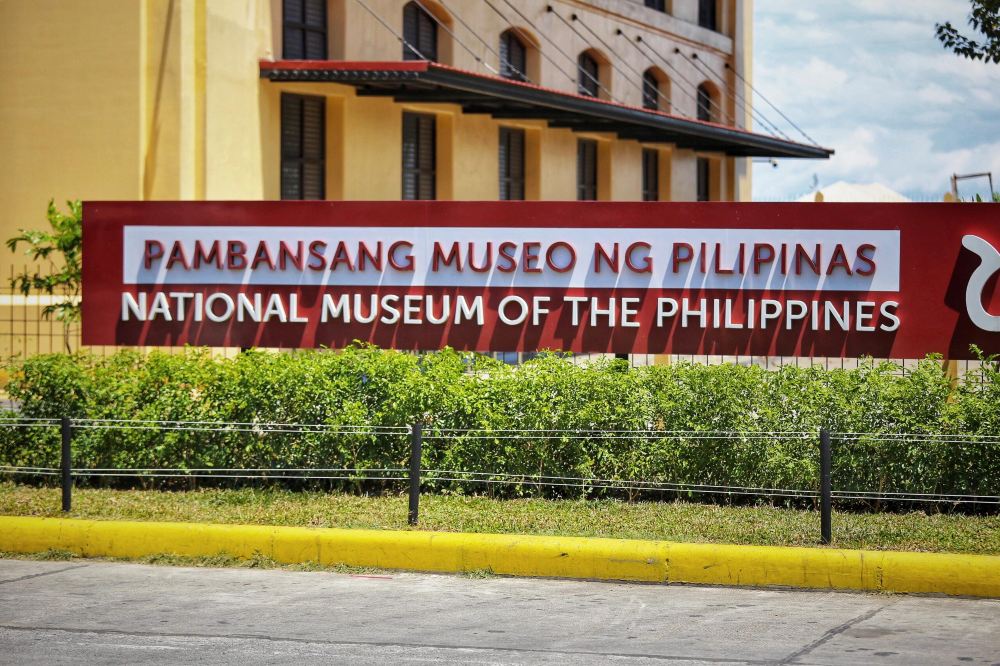
▼National Museum (Cebu Branch)
The system showcases Cebu's natural ecology, archaeological discoveries, colonial history, and folk culture, with a rich collection that tells the story of Cebu's development from ancient times to the present through artifacts and exhibits.
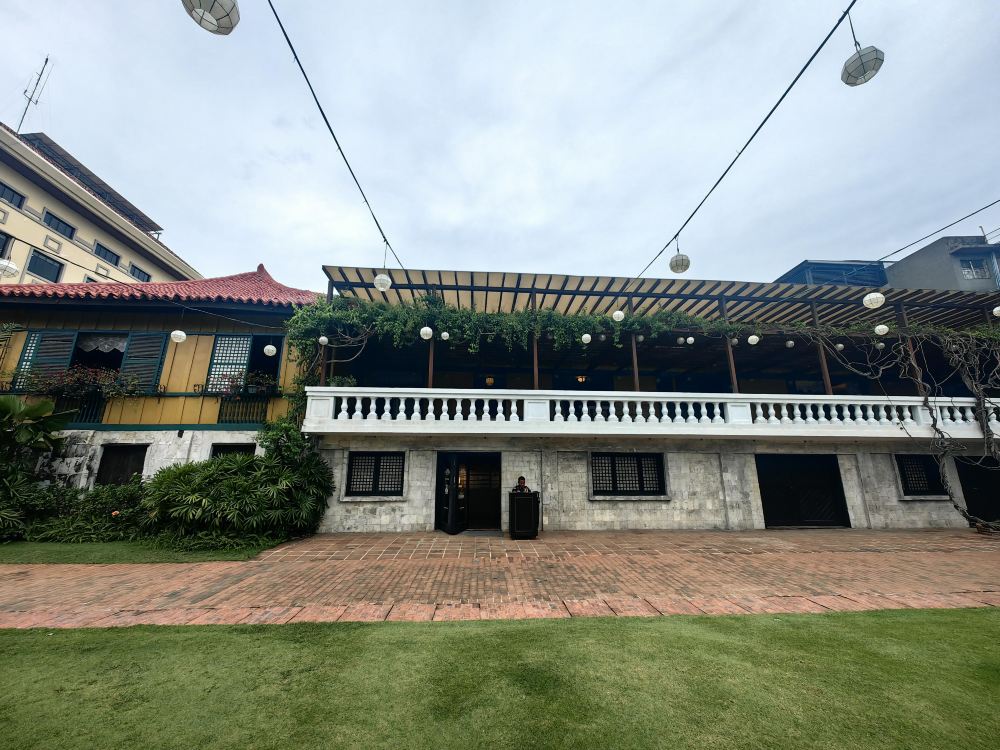
▼Yap-Sandiego Ancestral House (Casa Gorordo Ancestral House)
It is a residential museum located in the Pari-an District of Cebu, Philippines. Owned and managed by the Ramon Aboitiz Foundation, it falls under the key area of cultural heritage. The foundation acquired this residence from the Gorordo family in 1979, and after renovation and transformation, it opened to the public as a museum in 1983. In recognition of the historical and social significance of the Gorordo Museum, the National Historical Commission of the Philippines awarded it the title of "National Historical Landmark" in 1991. The museum displays oil paintings, religious artifacts, ancient household items, furniture, and courtyards, offering visitors a comprehensive impression of Filipino life between 1860 and 1920, allowing them to deeply experience the exotic charm of over a century ago. The well-preserved century-old house is a classic example of Spanish colonial architecture. Its interior recreates historical living scenes, with furniture and decorations that are rustic yet exquisite, showcasing the traditional aristocratic lifestyle of the Philippines.
▼TOPS Cebu
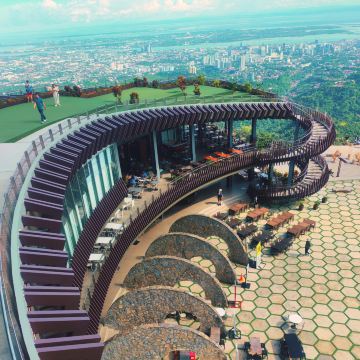
A renowned viewing platform located in Cebu City, Philippines, perched atop Busay Hill, offering visitors a panoramic view of the city. The observation deck features a circular structure with expansive sightlines. As the highest point in Cebu City, it provides sweeping vistas of the entire urban landscape, surrounding mountains, and ocean scenery. With its tranquil environment, it's an ideal spot for sightseeing, photography, and relaxation.

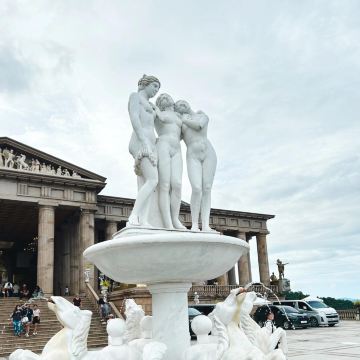
▼Temple of Leah
A Greek-style viral temple, this majestic white marble structure is a romantic landmark built for love. With an exceptionally high photo yield, it's hailed as Cebu's "Little Greece." Constructed by Filipino tycoon Teodorico Soriano Adarna (reportedly a Cebu magnate) in memory of his late wife Leah Albino-Adarna, it's also referred to as Cebu's Taj Mahal. Gazing outward from the Temple of Leah, one experiences a boundless vista where the temple's edges seem to merge seamlessly with the sky.