


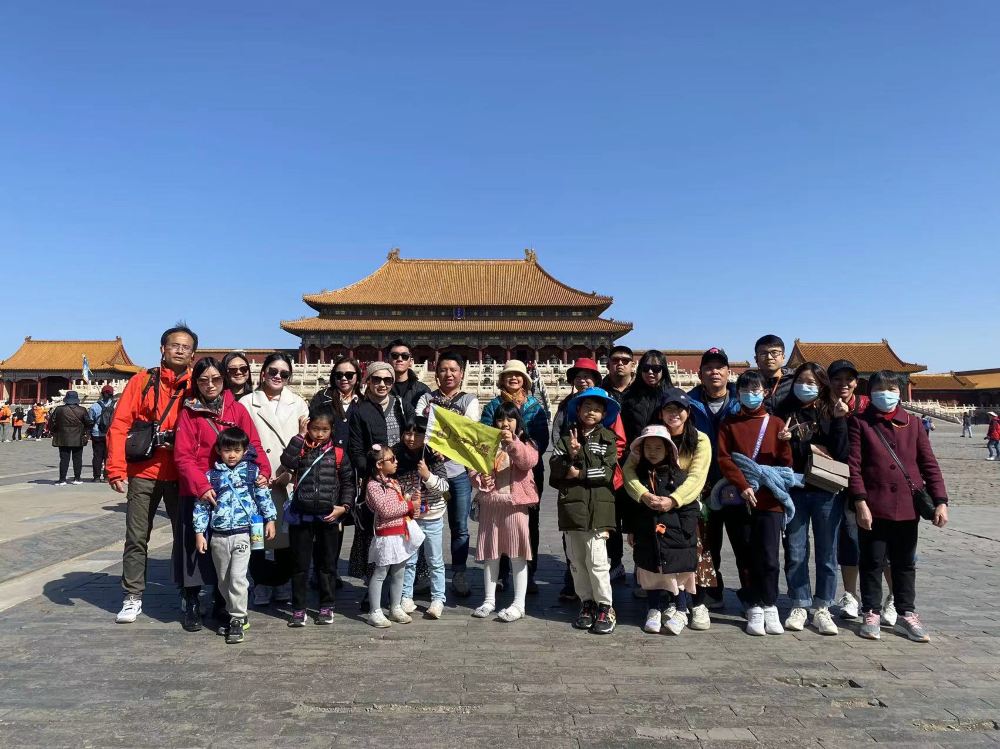
▲ [Forbidden City Admission Requirements] Mainland Chinese residents: Chinese Resident Identity Card Visitors from Hong Kong, Macau and Taiwan: Mainland Travel Permit for Hong Kong and Macau Residents (Home Return Permit), Mainland Travel Permit for Taiwan Residents (Taiwan Compatriot Permit) Other foreign visitors: Passport, PRC Foreign Permanent Resident ID Card [Forbidden City Ticket Entry Time Slots] Starting from November 1, 2023, the Forbidden City implements timed entry visits. Please plan your schedule accordingly. Morning session visitors: Entry time before 12:00 on the same day Afternoon session visitors: Earliest entry time at 11:00 on the same day Off-peak season (Nov.1-Mar.31) latest entry time: 15:30 Peak season (Apr.1-Oct.31) latest entry time: 16:00
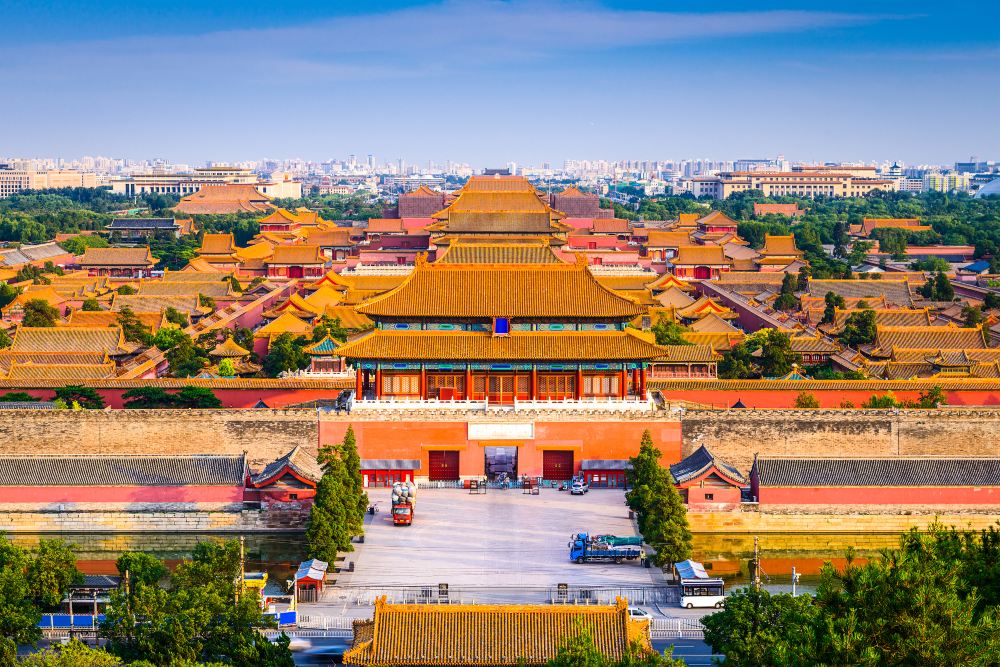
▲ The Palace Museum, located in Beijing, China, was the imperial palace during the Ming and Qing dynasties, formerly known as the Forbidden City. Situated at the center of Beijing's central axis, it covers an area of approximately 720,000 square meters with a building area of about 150,000 square meters. The complex features over 70 palaces of varying sizes. Legend states there are 9,999.5 rooms, but according to on-site measurements by experts in 1973, it actually contains 8,707 rooms.
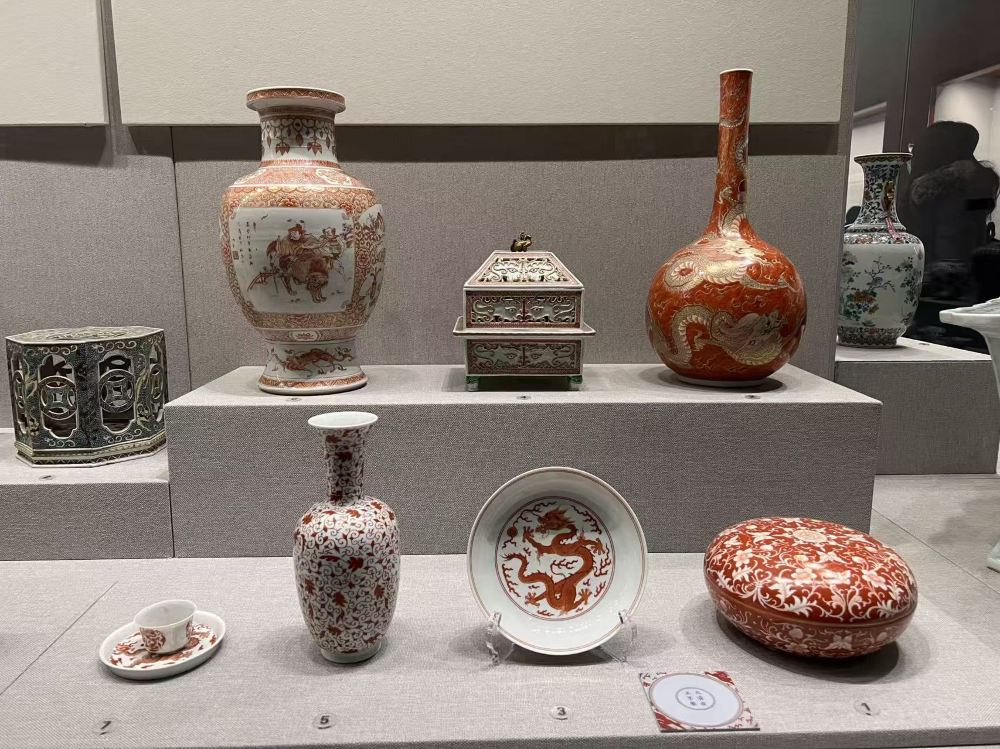
▲ From the simple and unadorned pottery of the Neolithic Age to the "Southern Celadon and Northern White" of the Sui and Tang dynasties, and starting from the "Five Great Kilns" of the Song Dynasty, the Yuan blue-and-white porcelain, Ming polychrome, and Qing cloisonné, over 1,100 ceramics showcase their splendor at the Wenhuadian in The Palace Museum, narrating the legendary tale of Chinese ceramics.
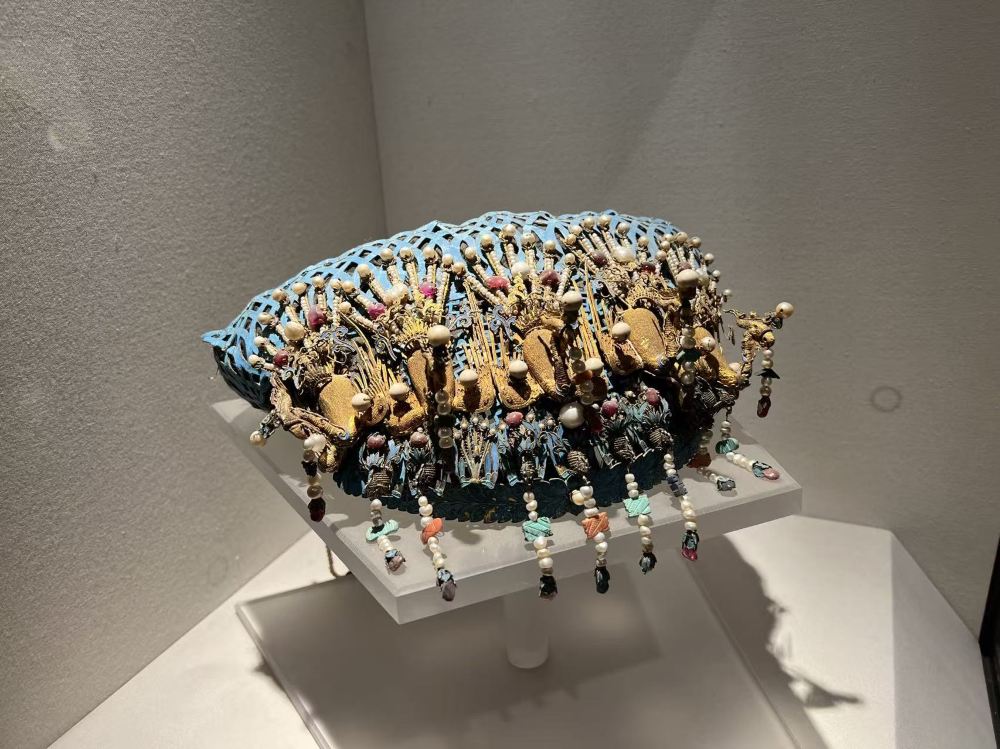
▲ The history of the Treasure Gallery dates back to the Qianlong era of the Qing Dynasty, when the emperor built a private collection house called the "Qianlong Imperial Kitchen" to store his favorite items. It was later expanded and renovated during the reigns of Emperor Jiaqing and Emperor Daoguang. The Palace Museum now houses a total collection of over 1.8 million pieces (sets), primarily consisting of Ming and Qing court relics, ancient architectural artifacts, and rare books.