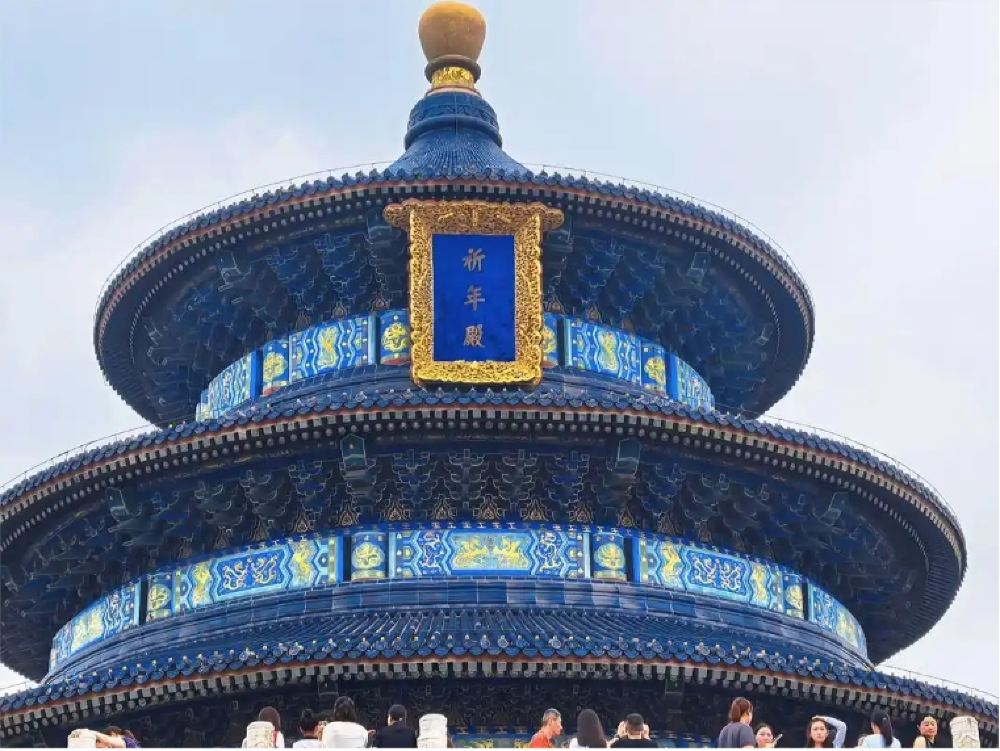


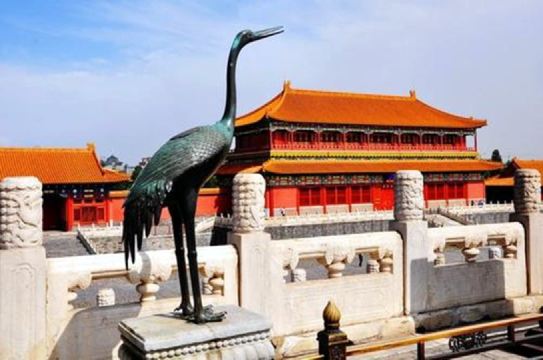
The Palace Museum in Beijing, also known as the Forbidden City, was the imperial palace of the Ming and Qing dynasties in China. It is the world's largest and most well-preserved ancient wooden palace complex.
The Forbidden City is located in the center of Beijing. Constructed during the Yongle era of the Ming Dynasty, it took 14 years from commencement to completion. After its construction, it served as the imperial capital for over 500 years, hosting a total of 24 emperors - 14 from the Ming Dynasty and 10 from the Qing Dynasty - who resided here, handled state affairs, and wielded supreme power. Following the end of feudal dynasties, it was officially opened to the public and is now a world-renowned cultural heritage site.
The entire forbidden city covers a vast area of 720,000 m², surrounded by tall and sturdy red palace walls with a wide and deep moat encircling the exterior. The magnificent fortress-like complex has long been rumored in folklore to contain 9,999.5 rooms - symbolizing the emperor's supreme status while maintaining humility, as it was believed to be just slightly less than the 10,000-room heavenly palace. In reality, there are over 9,000 well-preserved ancient structures featuring traditional wooden mortise-and-tenon joints without using a single iron nail. These exquisitely arranged halls and pavilions have withstood centuries of weathering, representing the pinnacle of ancient Chinese architectural craftsmanship.
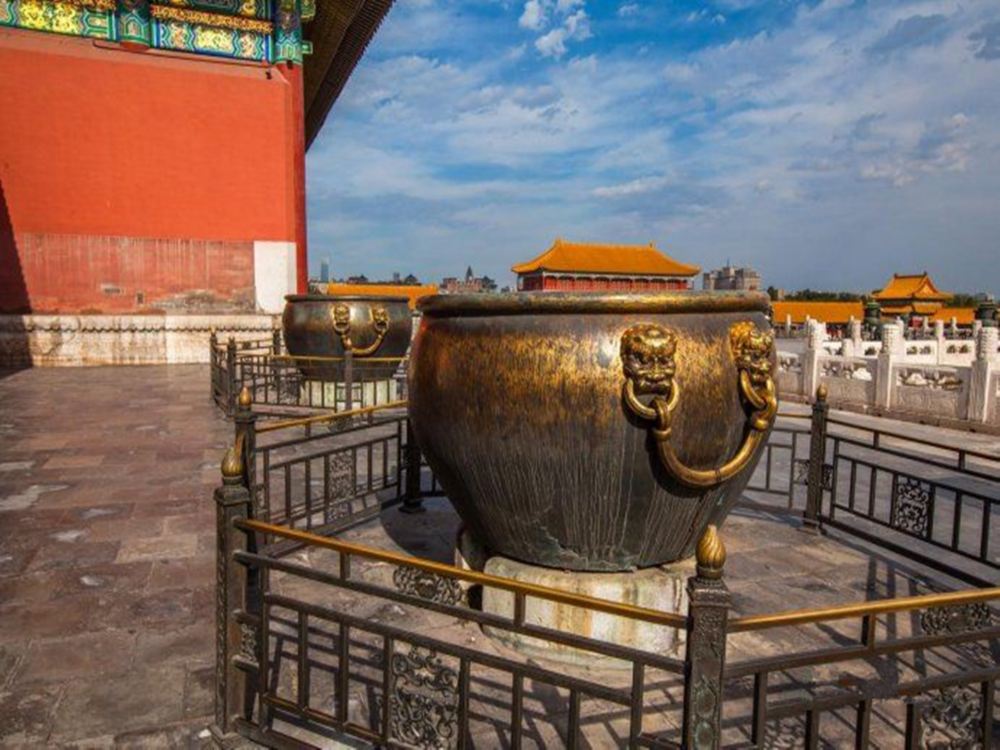
Hall of supreme harmony
Commonly known as the hall of supreme harmony (Taihe Dian), it is the largest, highest-ranking and most elegant hall in the palace museum, standing atop a three-tiered white marble terrace. All ancient grand ceremonies were held here, including imperial coronations, royal weddings, new year celebrations, imperial birthdays, and triumphant military return ceremonies - only the most prestigious events warranted use of this hall. At its center stands the orthodox imperial throne, serving as the core symbol of imperial power throughout the palace museum.

Hall of Central Harmony is centrally located with a compact and square design. It served as a transitional space where emperors would rest, adjust their attire, silently rehearse ceremonial procedures, and review sacrificial documents before proceeding to the Hall of Supreme Harmony for grand ceremonies.
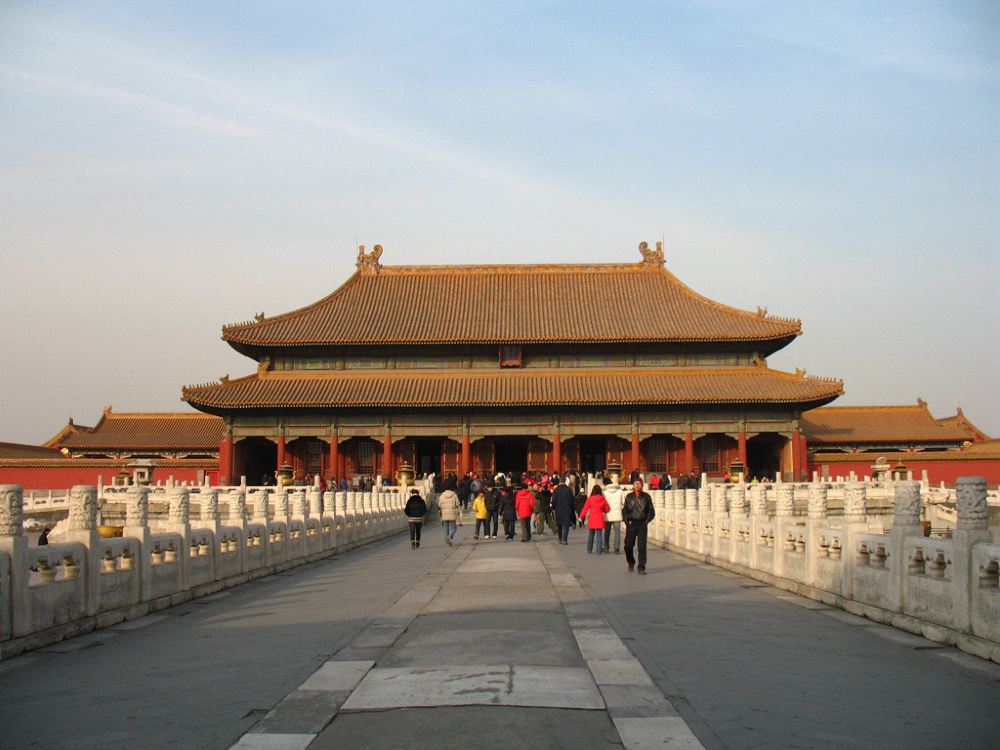
Hall of Preserving Harmony was primarily used in ancient times to host imperial banquets for nobility, civil and military officials, and foreign envoys. During the Qing dynasty, it served as the venue for the palace examination, the highest level of imperial examinations, where scholars competed for the titles of zhuangyuan (top scholar), bangyan (second place), and tanhua (third place), making it the ultimate hall for ancient scholars to fulfill their dreams of official careers.