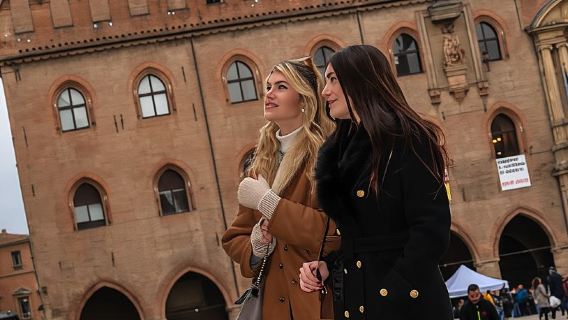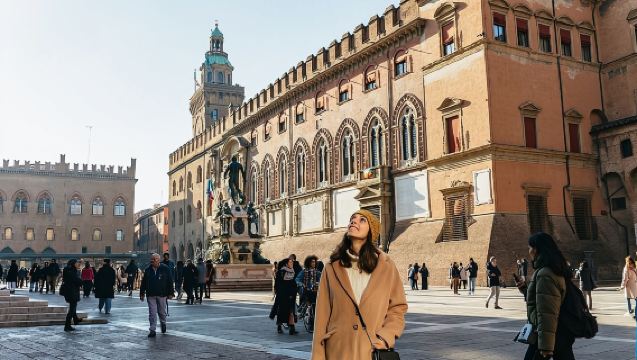

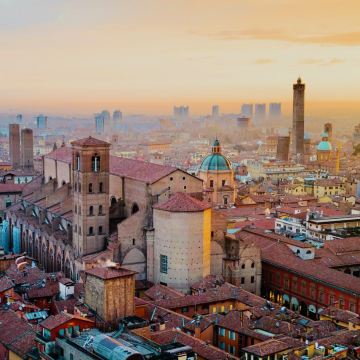
▲ Piazza Maggiore + Piazza del Nettuno: the heart of the old town and the locals' "city living room," with the two squares connected together.

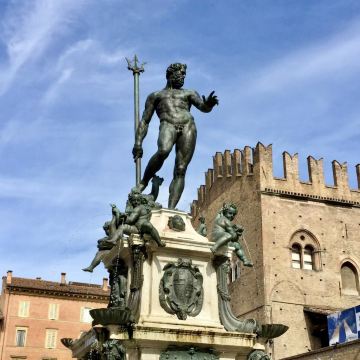

▲ Fountain of Neptune: a masterpiece by Giambologna, a bronze Neptune sculpture, a classic photo spot in Bologna, full of Renaissance vitality.
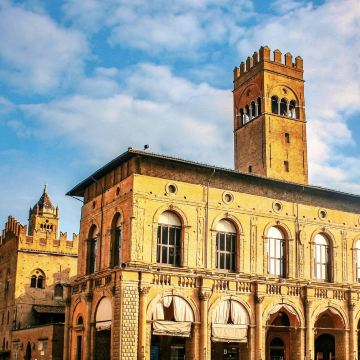

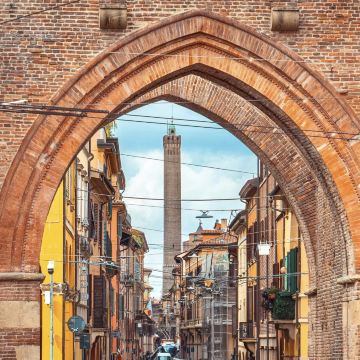
▲ Two towers: A landmark of the Bologna skyline, defensive brick towers built by nobles competing with one another in the 12th century.
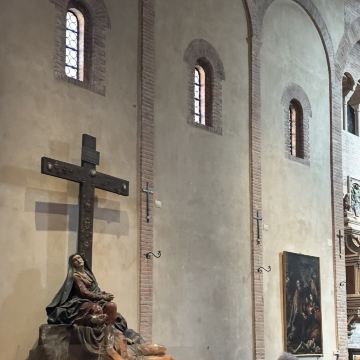

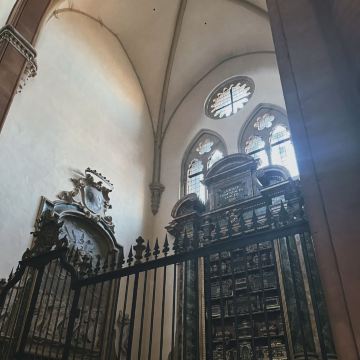
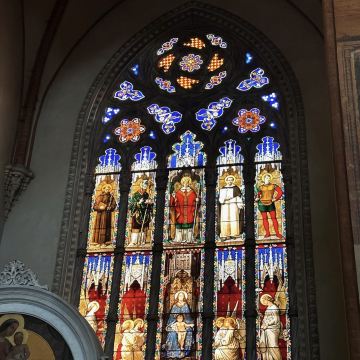
▲ Basilica di San Petronio: a massive unfinished Gothic brick church, Cassini's sundial, and medieval frescoes;


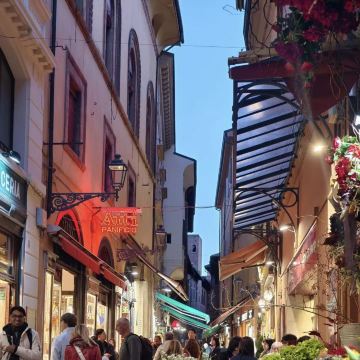

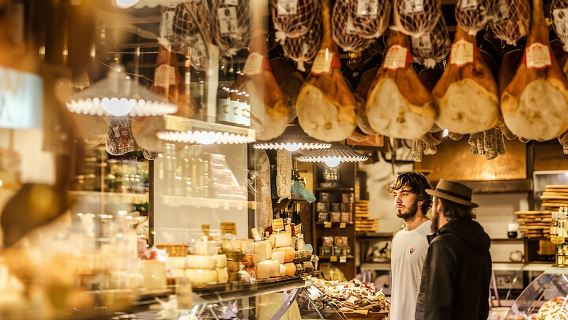
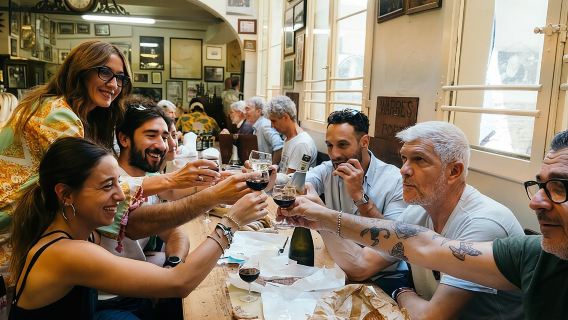
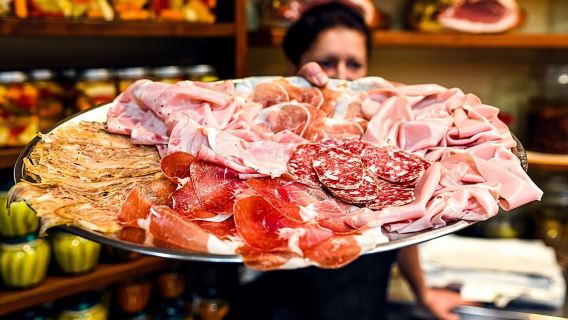
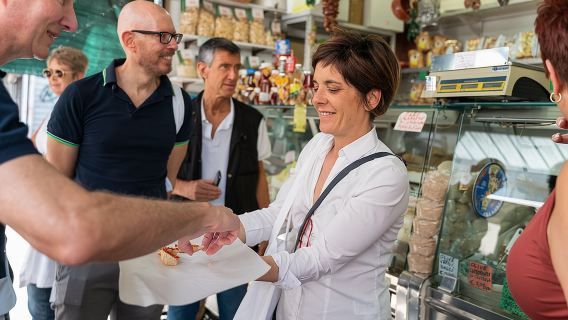
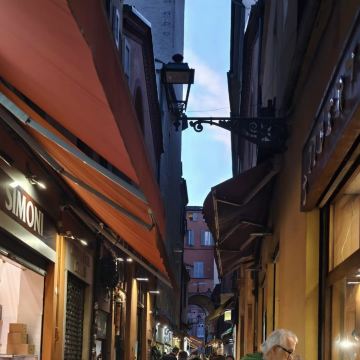
▲ Quadrilatero is not a historical monument, but a charming food district of the old city, with narrow alleys lined with century-old butcher shops, cheese shops, pasta workshops, and delicatessens; Bologna meat sauce pasta, lasagna, tortellini, Modena balsamic vinegar, and Parmesan cheese all originated in this region, perfect for tasting as you stroll.

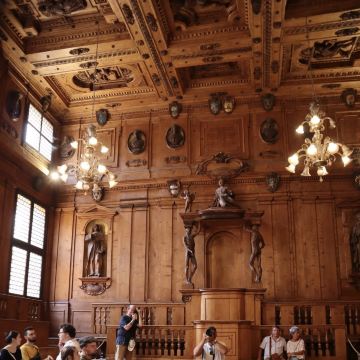

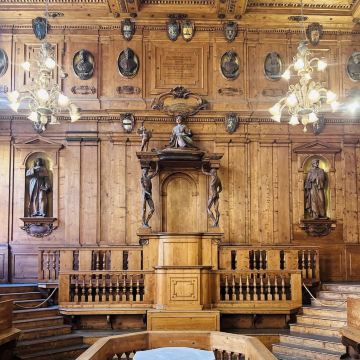
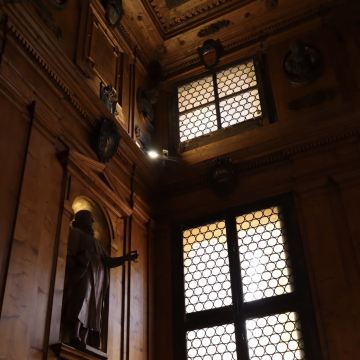
▲ Biblioteca dell' Archiginnasio: A university built in 1088, it is now the city library. The courtyard walls are densely covered with coats of arms left by students over the centuries, which is truly impressive. - Anatomical theatre: A fully wooden 17th-century anatomy lecture hall surrounded by statues, a landmark in the history of European science, highly recommended. The oldest main building of the oldest university in the West (University of Bologna, 1088), it is now the city library. - The courtyard walls are densely covered with coats of arms left by students over the centuries, which is truly impressive. - Anatomical theatre: A fully wooden 17th-century anatomy lecture hall surrounded by statues, a landmark in the history of European science, highly recommended. The oldest main building of the oldest university in the West (University of Bologna, 1088), it is now the city library. - The courtyard walls are densely covered with coats of arms left by students over the centuries, which is truly impressive. Anatomical theater: A fully wooden 17th-century anatomy lecture hall surrounded by statues, a landmark in the history of European science, highly recommended.

▲

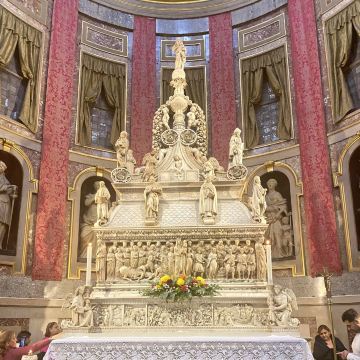

▲ Basilica of San Domenico: Romanesque facade, birthplace of the Dominican Order, where the remains of St. Dominic are interred; houses significant paintings by Filippino Lippi, the Carracci family, and Guercino, with exquisite sculptures.