


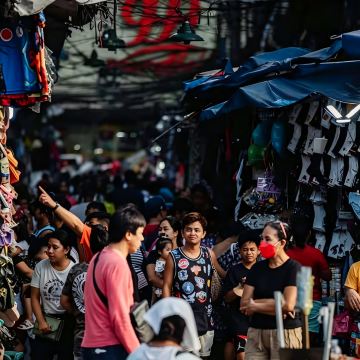

▲ While moving quickly, take a moment to notice these specific scenes: how vendors operate in tight spaces, how goods are hung for display. This "walk slowly but don't stop" observation method allows you to feel the pulse of the market more deeply.
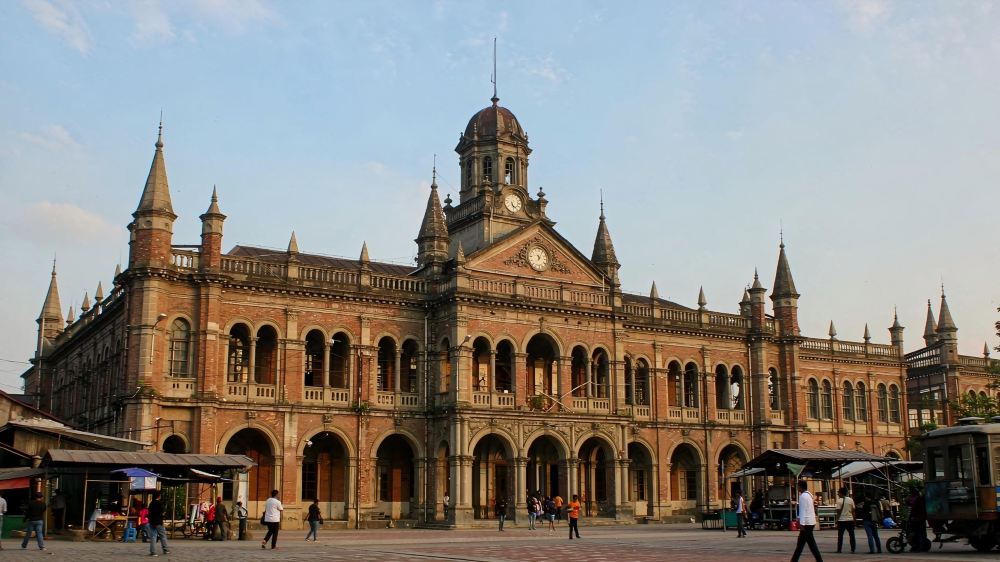
▲ This was originally the Manila Railway Station, founded in 1887 and opened in 1892. In 1993, it was transformed into a shopping center while preserving the original brick columns and building facade. Locals come here for bargain hunting when on a budget—clothes, shoes, and daily necessities can be haggled over, but be prepared to squeeze through crowds. At the main entrance, look up at the "heritage building," one of the few "historical calm zones" along the entire route.
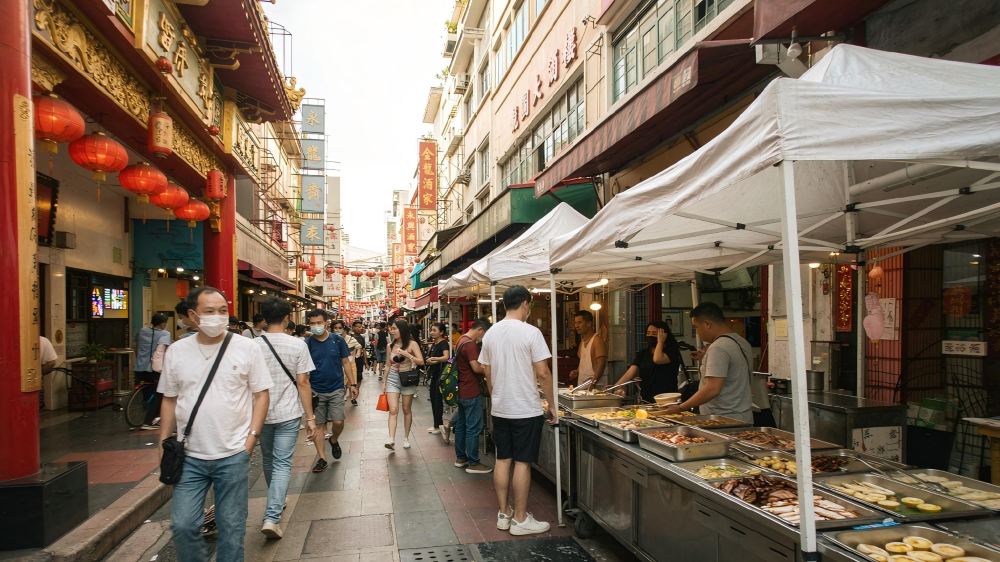
▲ Ongpin Street, the heart of Chinese commercial history. Ongpin Street has been the center of Chinese-Filipino business, culture, and community life for centuries.
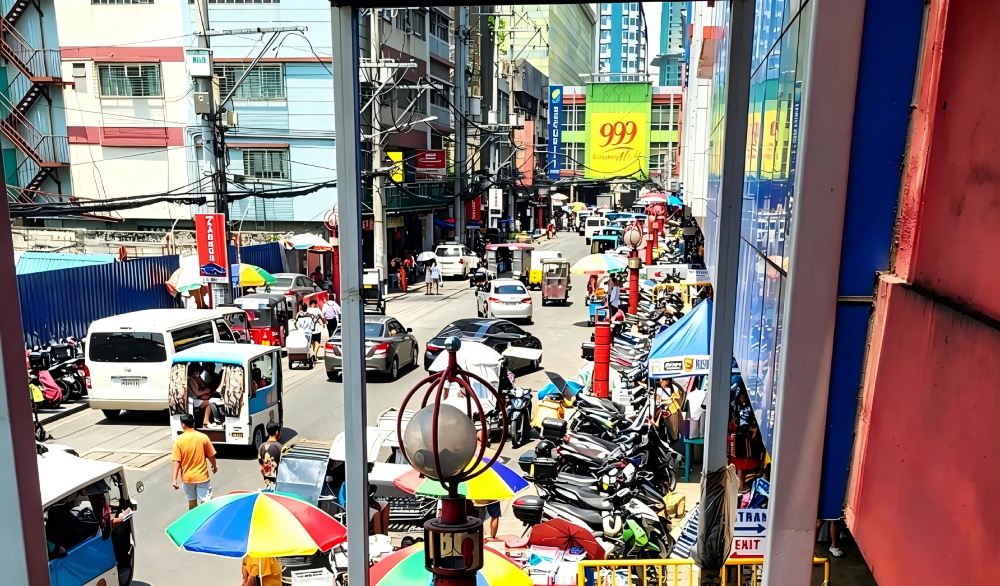
▲ 168 Mall and 999 Shopping Mall, these two large-scale indoor wholesale markets, represent the "modern" side of Divisoria. Escaping from the heat of the street markets into the air-conditioned environment, quickly traversing the floors, and observing the mountains of wholesale goods is a great way to experience the different levels of this commercial district.
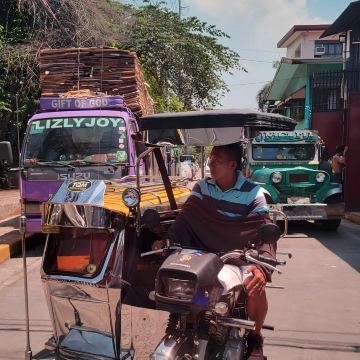

▲ These tricycles weaving through traffic and crowds are an indispensable part of Divisoria's commercial ecosystem, forming the vivid moving backdrop you experience when "passing through" this area.