Economy 7-seater car - Toyota Avanza equivalent
Up to 4 people and 4 pieces of luggage per vehicle
Car service 12 hr
Overtime fee: IDR 50,000/30 min
Inclusions: vehicle + fuel + highway tolls + parking fees + admission ticket, insurance only covers treatment at local hospitals (excluding overseas medical treatment/follow-up treatment costs) Maximum IDR 10,000,000 per person valid on the day of use; passengers are requested to purchase their own insurance for overseas treatment
Not included: Lunch, personal expenses, overtime fee
- Tangkuban Parahu Volcano opening hours: Daily 8:00 am to 5:00 pm
-kawah putih opening hours: daily approx. 7:00 AM – 5:00 PM, last admission usually around 4:00 PM
========
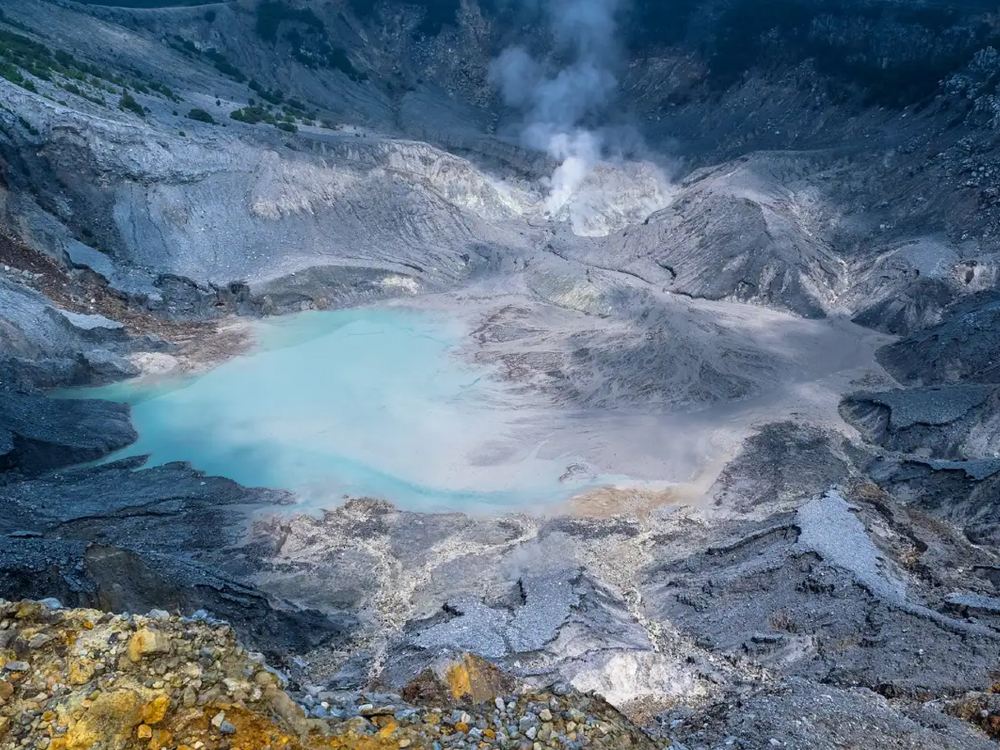
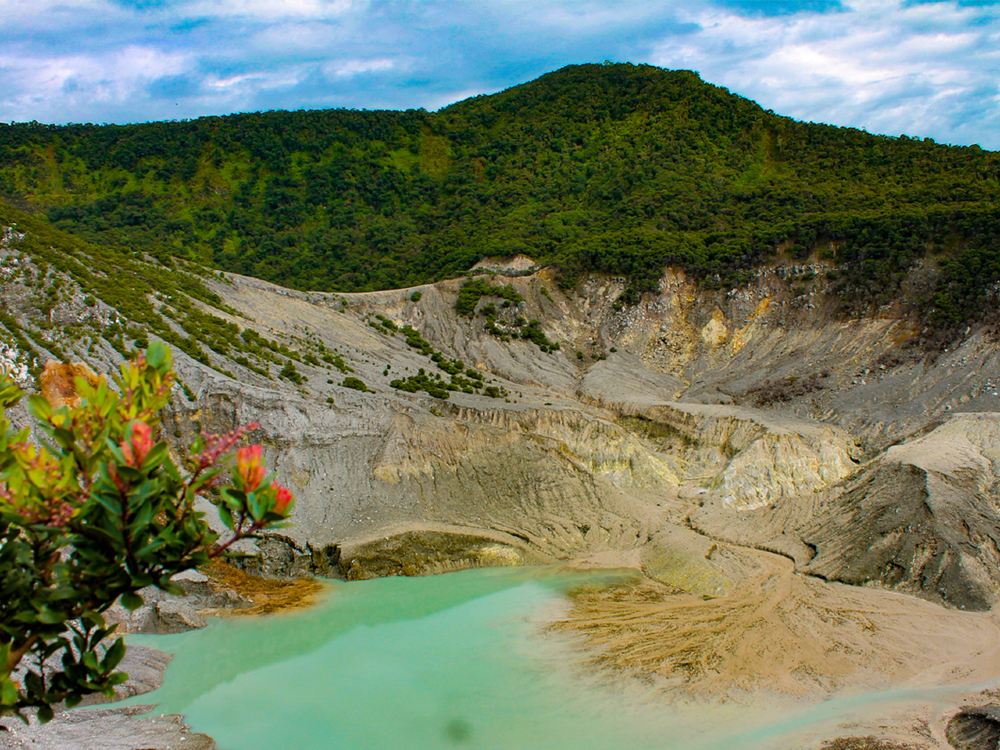
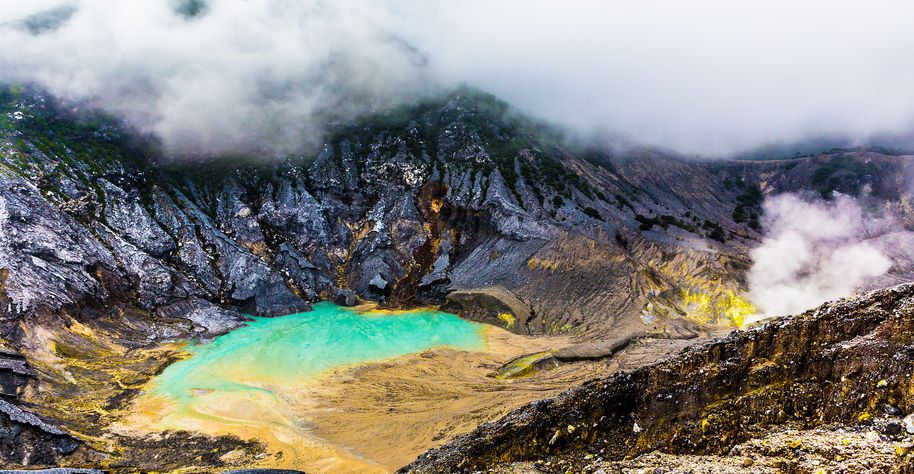
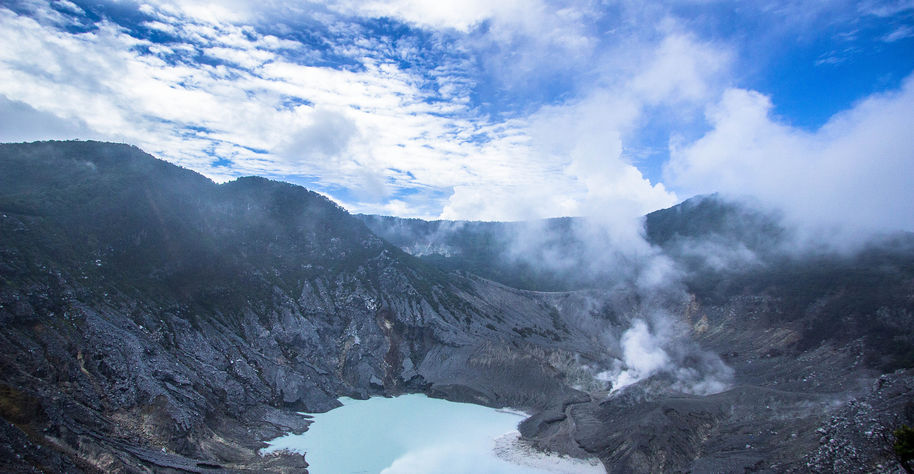
Tangkuban Perahu volcano is one of the most renowned natural tourism destinations in West Java, Indonesia. Located approx. 20 to 30 km from downtown Bandung, it is an active stratovolcano. With an elevation of approx. 2,084 m, it is famous for its unique crater view and rich Sundanese folklore, serving as a key landmark for tourism in Java.
Cultural background: The legend of Sangkuriang
Tangkuban Perahu means "overturned boat" in Sundanese, a name directly derived from the local Sangkuriang legend that has been passed down for centuries. The story tells of a youth named Sangkuriang who unknowingly fell in love with his mother Dayang Sumbi and was challenged to build a large boat overnight to fulfill the marriage condition. As he neared success, his mother tricked him by making dawn arrive early. In anger, Sangkuriang kicked the unfinished boat, which overturned and transformed into this mountain. This legend gives the volcano cultural significance beyond its geological features and is a key reason why many travelers from Indonesia visit the site.
Recommended things to do:
· The volcanic crater area has a strong sulfur odor. It is recommended to wear a mask or scarf
· The temperature in high-altitude areas can drop to 2–17°C. Be sure to bring a warm jacket
· Try to go in the morning, as fog may intensify in the afternoon, affecting visibility and experience
· Wear anti-slip shoes as the ground around the crater is uneven
================
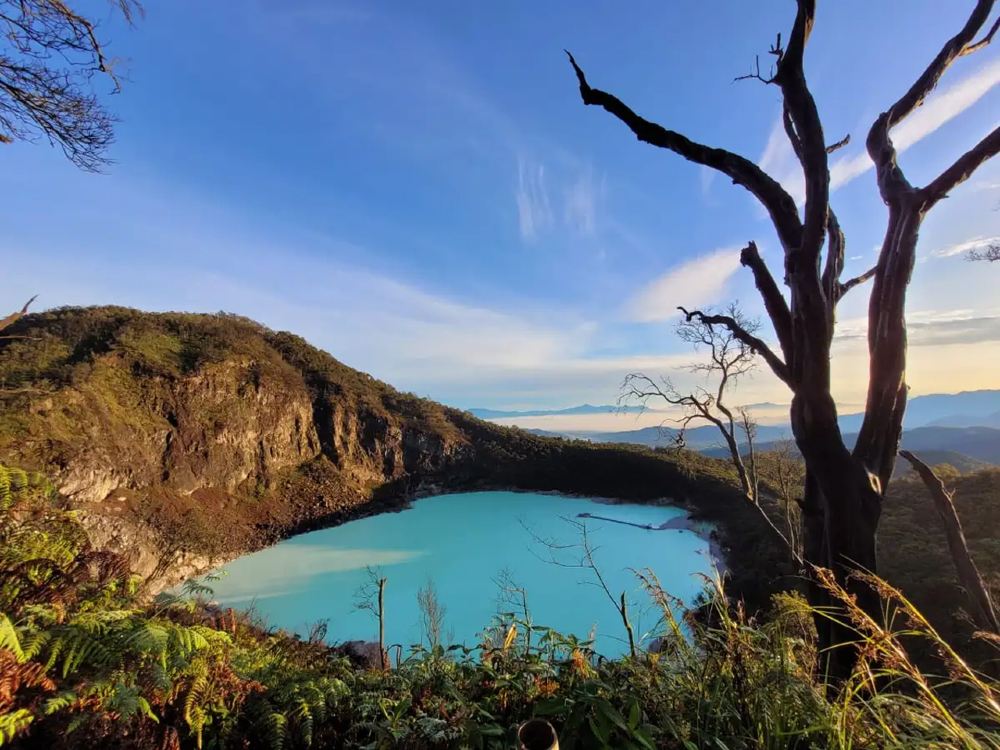
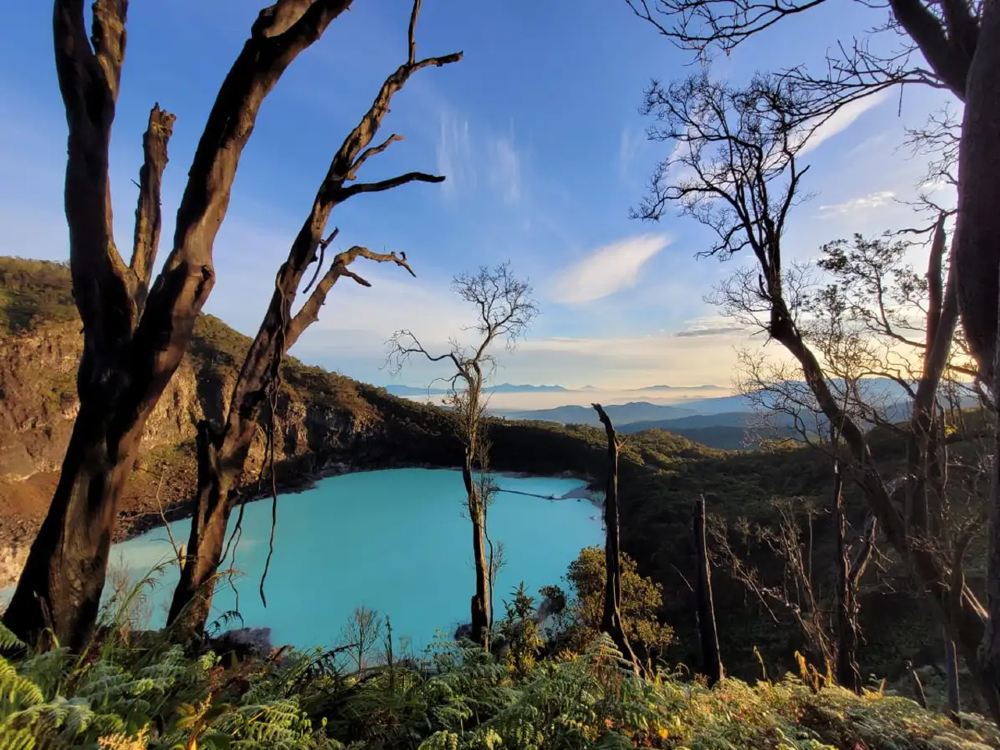
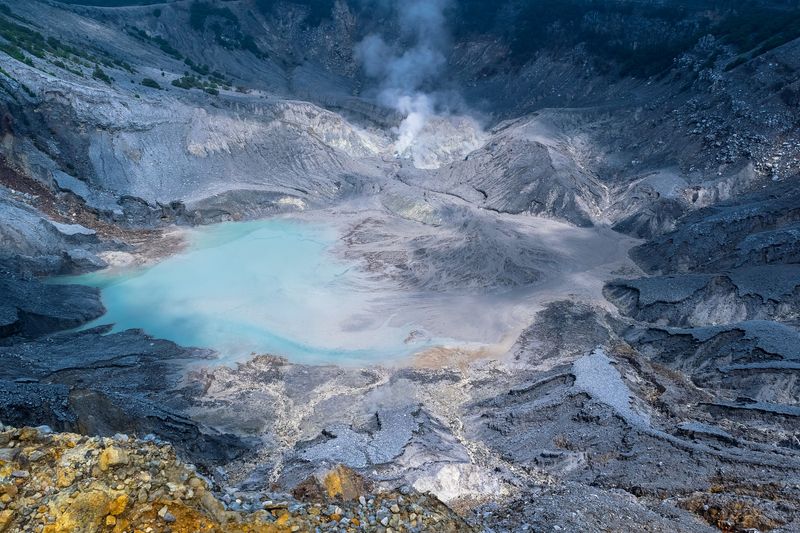
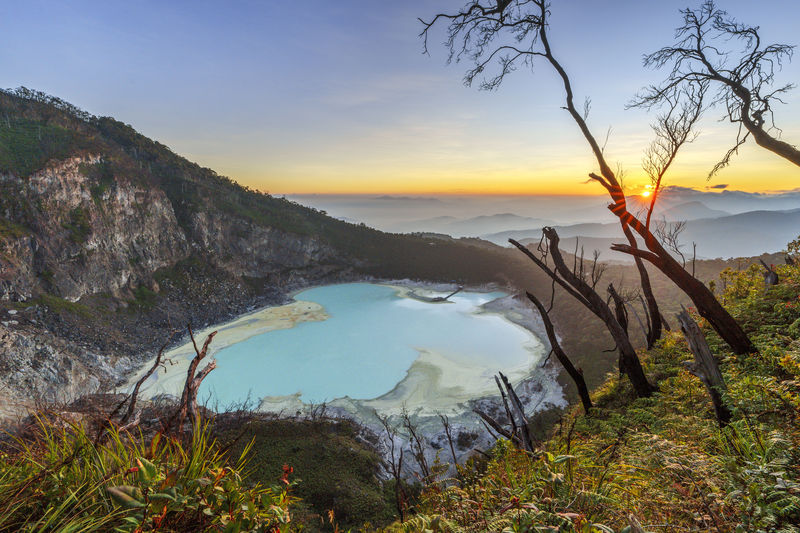
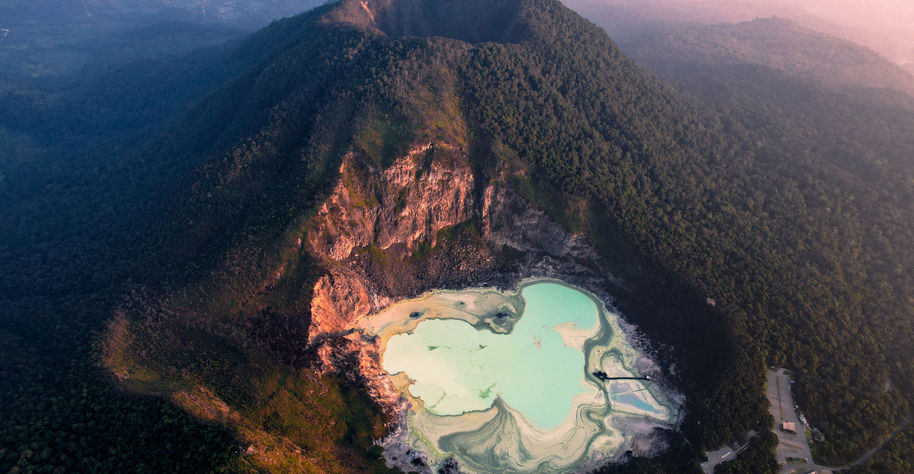
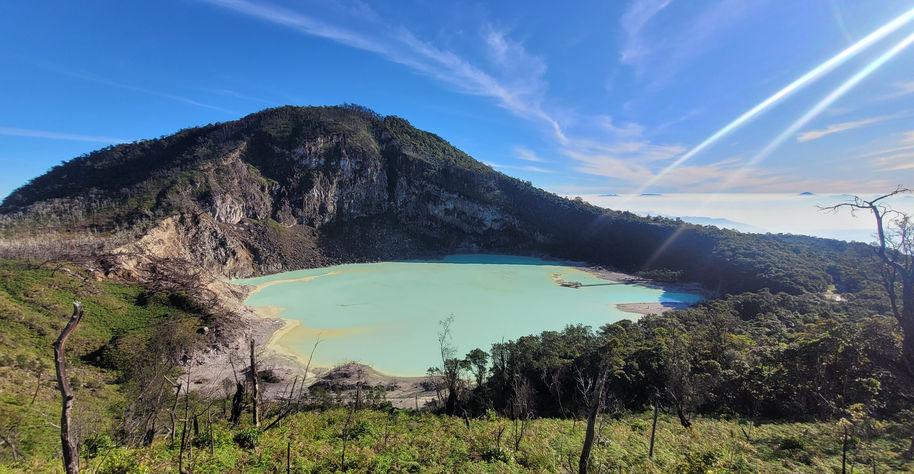
Kawah Putih (White crater) is a iconic natural tourism destination in the Ciwidey area of West Java, located approx. 50 km south of Bandung within the Patuha volcano region. At an elevation of approx. 2,400 m, it is renowned for its unique turquoise acidic crater lake and white sulfur deposit views, forming a striking contrast with Tangkuban Perahu's rugged crater landscape. It serves as the core attraction in Bandung's southern itinerary.
Main highlights: Color-changing volcanic lake
Kawah Putih's appeal lies in its crater lake's color changing with weather, light, and sulfur concentration. The lake water typically appears turquoise, light blue, or milky white. This coloration comes from dissolved volcanic gases in the water, primarily sulfur and chlorine compounds, making the lake extremely acidic with a pH below 2. The surrounding soil and rocks appear white due to sulfur deposits, with "Kawah Putih" meaning "white crater" in Indonesian.
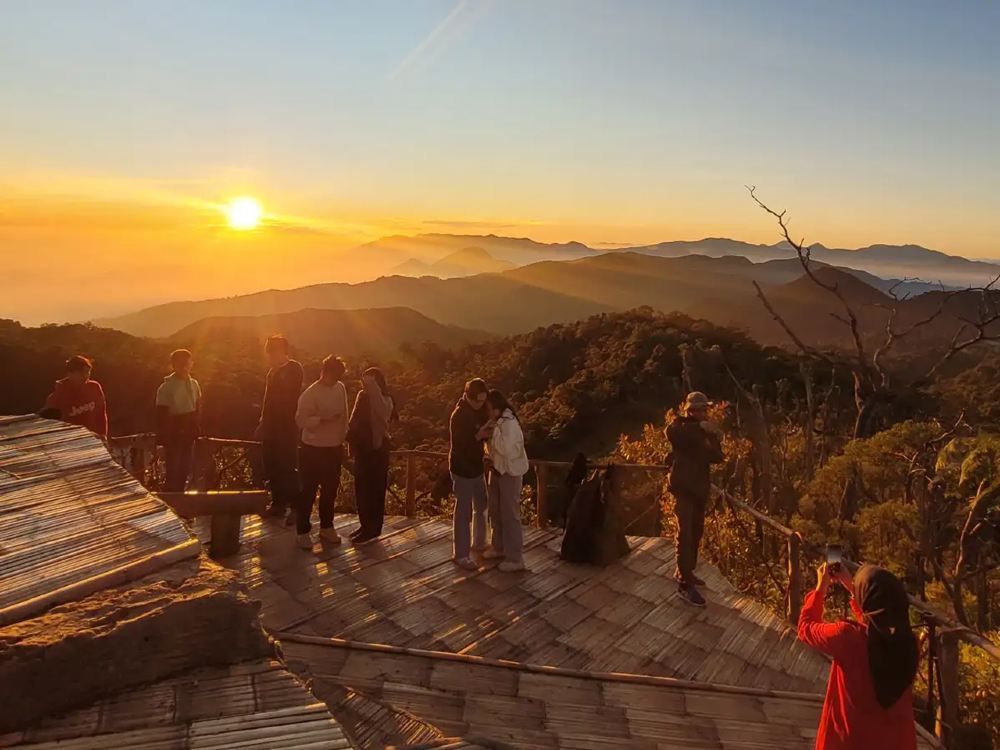
The crater area is surrounded by white sand and sparse vegetation, often accompanied by mist, creating a unique atmosphere. Many travelers describe it as "like another world." The wooden walkways and viewing points around the lake are the main visiting areas, perfect for photography and quiet observation.
Cultural background: From "forbidden zone" to tourist area
The history of Kawah Putih is closely related to Mount Patuha. Legend has it that after a massive eruption in the 10th century, local residents discovered that birds flying over the crater would inexplicably die, leading them to regard the area as a "forbidden zone" or "haunted land" and avoid it for a long time. In 1837, Dutch scholar Franz Wilhelm Junghuhn, skeptical of the claims, personally investigated and ultimately found that the birds' deaths were caused by strong sulfur gases released from the crater. Later, during the Dutch colonial period, a sulfur mining factory was established here. It was not until 1987 that the area was officially developed as a tourist attraction.
Recommended things to do
· Wear a mask: The volcanic crater has strong sulfur odors. It is recommended to wear or carry a mask, especially when staying by the lake.
· Control your stay time: Some guidelines recommend not staying by the lake for more than 15 minutes to avoid respiratory discomfort caused by sulfur gases.
· Warmth: The temperature in high-altitude areas is approx. 8–22°C. It is relatively cold in the early morning and evening. It is recommended to bring a jacket.
· Go early: The weather is usually clearer in the morning with better visibility, while fog may intensify in the afternoon.
· Suitable for: The attraction is family-friendly and accessible for older visitors, reaching the crater edge without long hikes.