









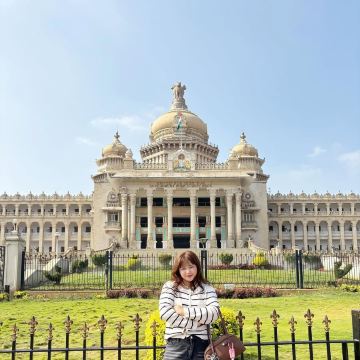

▲ Vidhana Soudha – the Karnataka state assembly building, completed in 1956, is one of India's grandest legislative structures. Its granite façade and neo-Dravidian colonnades exude grandeur, with the inscription "Government work is people's work" carved above the main entrance.
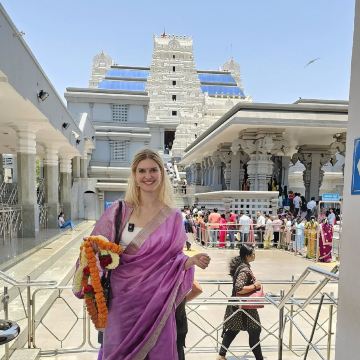

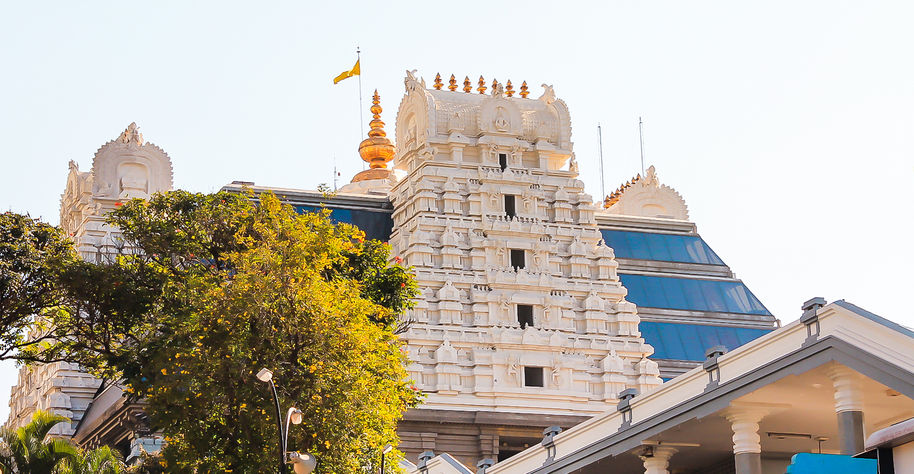
▲ The first stop of the itinerary is the ISKCON temple in Bengaluru, located on Hare Krishna Hill. Completed in 1997, it is one of the larger ISKCON temples worldwide. Free admission, shoes must be removed before entering.
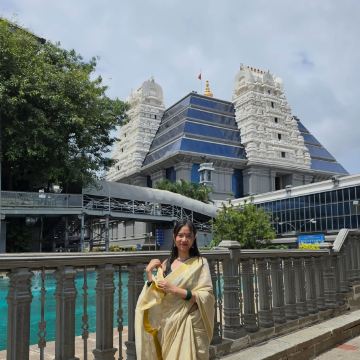

▲ The temple complex blends South Indian traditional gopurams with modern glass curtain wall designs, featuring gardens, Vedic culture exhibition areas, and meditation spaces. Visit duration is approx. 1 hr.
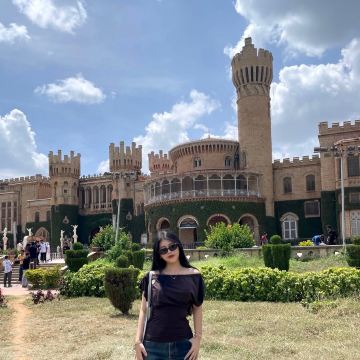

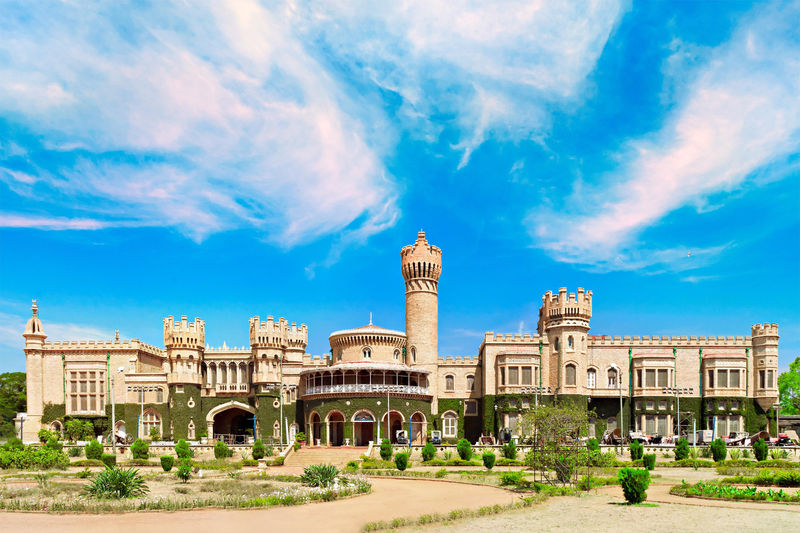
▲ Bengaluru Palace was completed in 1878, featuring Tudor Revival architecture inspired by Windsor Castle in England. Its unique silhouette, formed by battlements, towers, and pinnacled parapets, makes it one of Bengaluru's iconic landmarks.
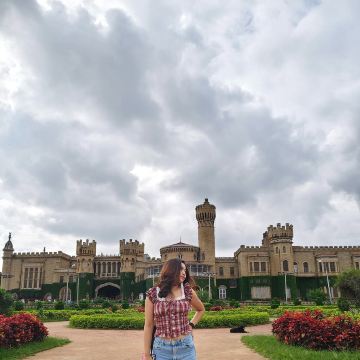

▲ The palace is surrounded by expansive royal gardens, with lawns, fountains and ancient trees, perfect for taking photos. The palace belongs to the Wadiyar dynasty of Mysore and covers an area of approx. 4500 m.
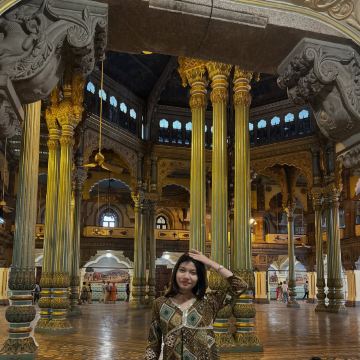

▲ The Durbar Hall was once a venue for royal discussions and banquets, featuring yellow interiors paired with Belgian imported mirror glass, allowing the queen to observe proceedings through the reflections.
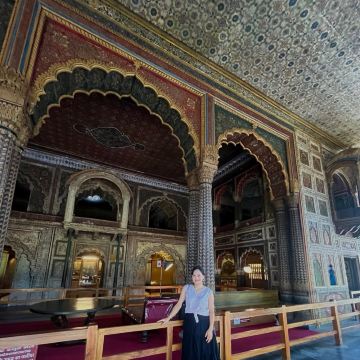

▲ The palace interior retains 19th-century wooden cloisters, stained glass and Gothic arched windows. The admission ticket includes multilingual audio guide (English, Hindi, French, German, Italian), and the mobile photography fee inside the palace is also included in the product price.
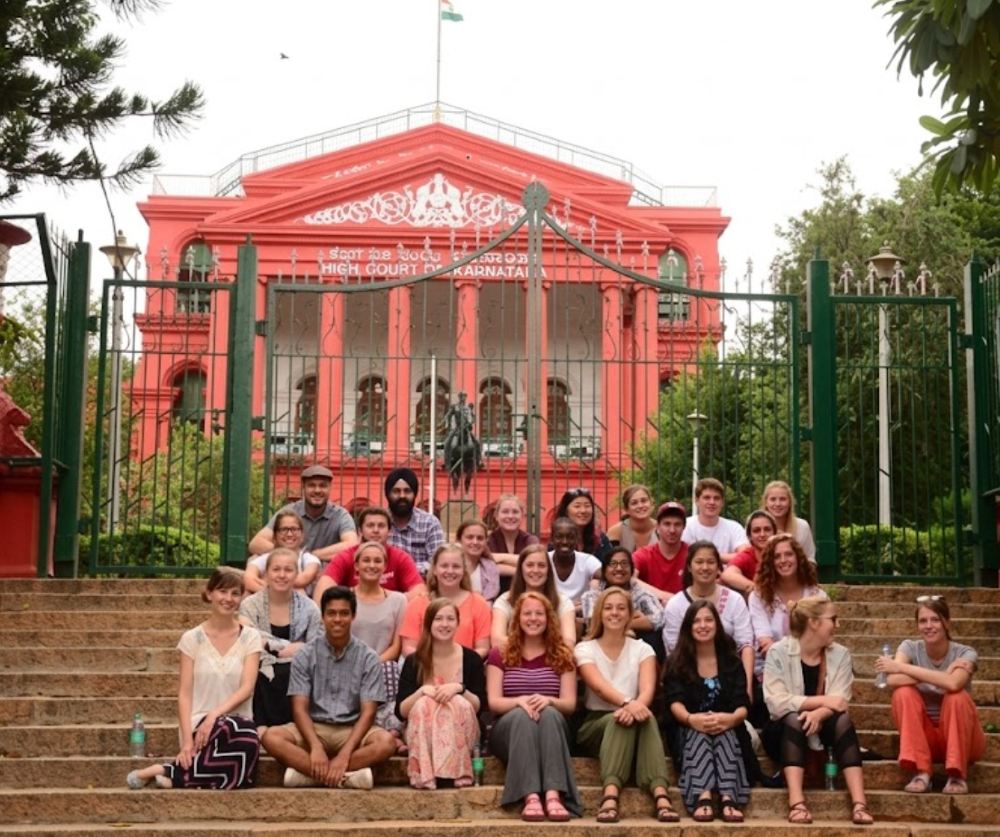
▲ The red neoclassical building of Attara Kacheri, constructed in 1867, now serves as the High Court of Karnataka. It stands opposite the white Vidhana Soudha across the road, with the red-and-white contrast forming a classic framing angle.
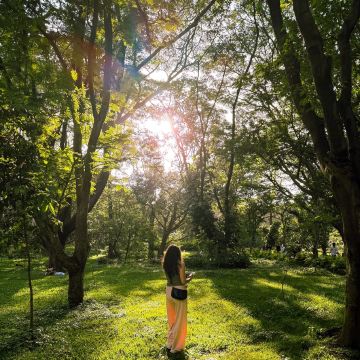

▲ Cubbon park is located in the center of Bengaluru, covering about 300 acres with shady old trees. It is a green space for locals' daily leisure. Adjacent to Vidhana Soudha and the high court, it can be explored on foot.
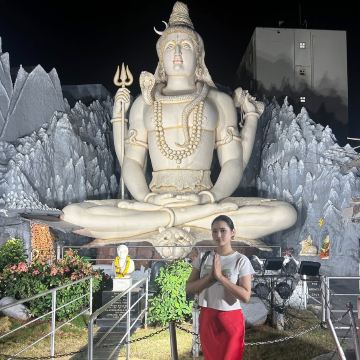

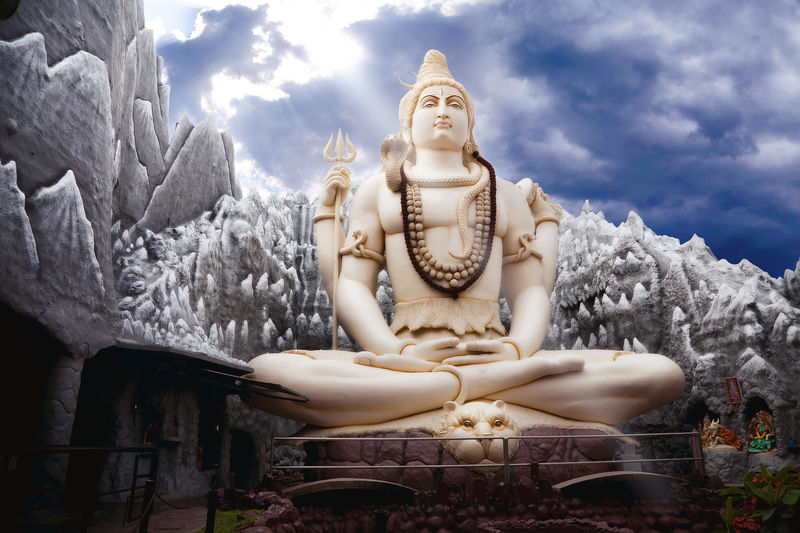
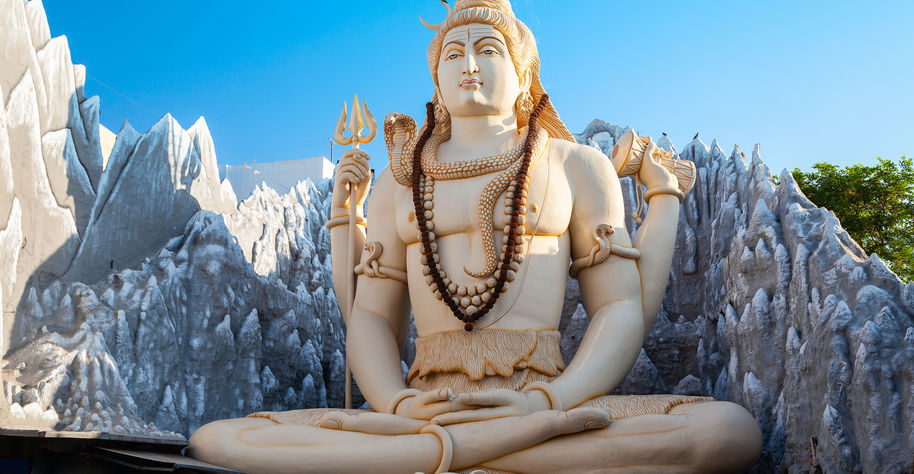
▲ After lunch, head to the Shivoham Shiva Temple, featuring a white seated Shiva statue approx. 20 m (65 ft) tall in lotus position against an artificial Himalayan backdrop. Free admission.
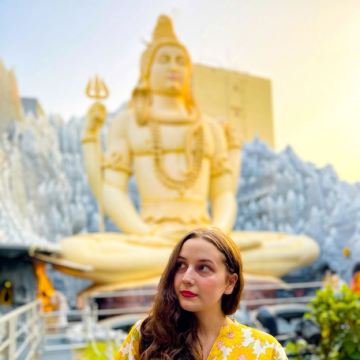

▲ Beside the statue is an approx. 10 m high statue of Ganesha and an approx. 7.6 m high Shiva lingam. Below the statue is an artificial cave passage with replicas of India's 12 "jyotirlingas" (pillars of light).
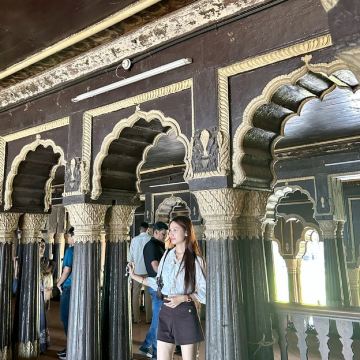

▲ Tipu Sultan's summer palace was built in 1791, entirely of teak wood, and is a masterpiece of Indo-Islamic architecture. Tipu Sultan called it "Rash-e-Jannat" (Envy of Heaven). The colonnades, arches, and painted ceilings are well-preserved and currently managed by the Archaeological Survey of India.
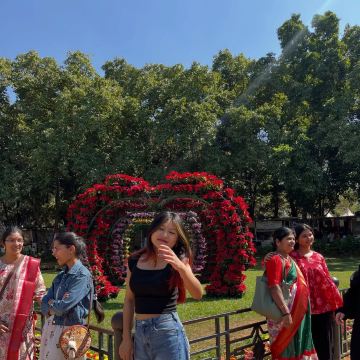

▲ Lalbagh Botanical Garden was established in 1760 by Hyder Ali and expanded by his son Tipu Sultan. Covering 240 acres, it saves over 1,800 plant species, many of which were introduced from Persia, Afghanistan, and France.
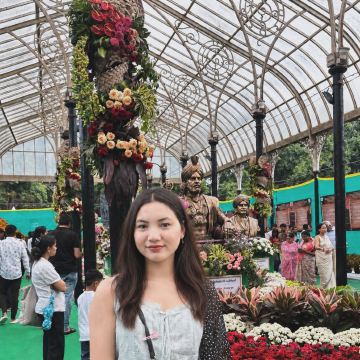

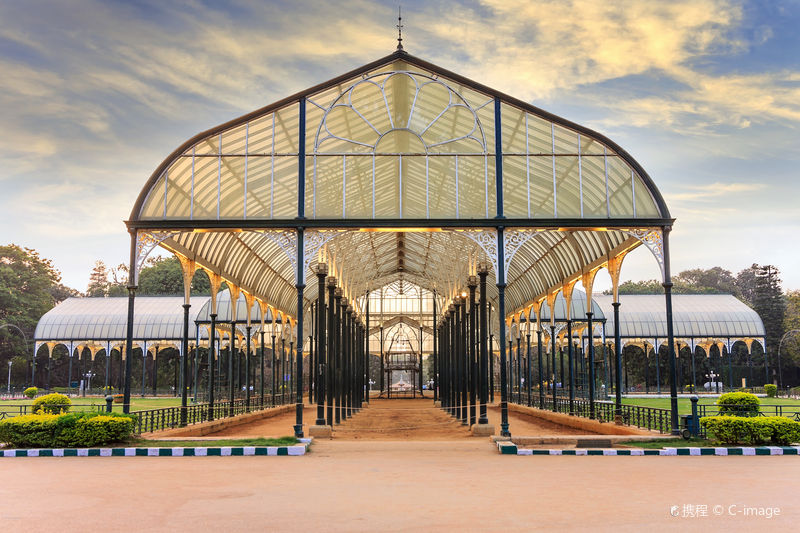
▲ The glass greenhouse in the park is modeled after the Crystal Palace in London and is a landmark view in Bengaluru, where the annual flower show is held. The park also features rock formations dating back approximately 3 billion years.

▲ Economy 5-seater sedan. Pure car package seats 4 passengers, Chinese-speaking guide package seats 3 passengers. Equipped with air conditioning and ample luggage space.

▲ Comfort 7-seater vehicle type (Toyota Innova or equivalent), pure vehicle package can accommodate 6 people, Chinese-speaking guide package can accommodate 5 people. Spacious seats ensure comfortable long-distance travel.

▲ Medium bus (12 seats, Tempo Traveller). The vehicle-only package accommodates 12 people, while the package with Chinese-speaking guide accommodates 11 people. Air-conditioned throughout with luggage compartment. Our own fleet with regular maintenance, all drivers are certified and registered.